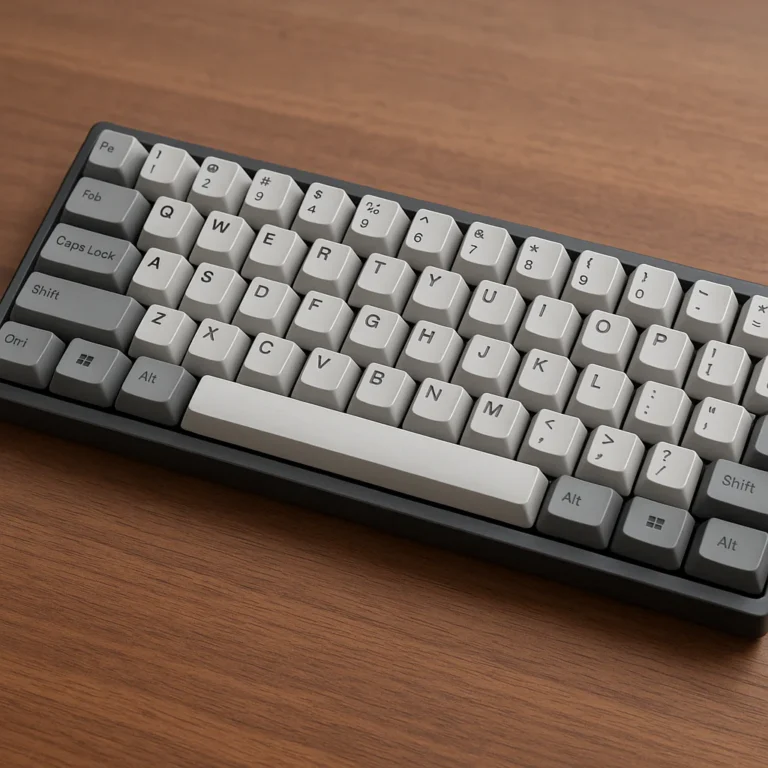
Support our educational content for free when you purchase through links on our site. Learn more
Discover the 10 Quietest Mechanical Keyboards of 2026 🤫

If you’ve ever felt like your keyboard is auditioning for a percussion solo every time you type, you’re not alone. Mechanical keyboards are beloved for their tactile feedback and durability, but their notorious clack-clack-clack can be a nightmare in quiet offices, late-night work sessions, or shared living spaces. What if we told you that the quietest mechanical keyboards exist — combining that satisfying mechanical feel with near-silent operation?
In this comprehensive guide, we unveil the top 10 quietest mechanical keyboards of 2026, tested and reviewed by our expert audio engineers at Quietest™. From sleek wireless models to customizable DIY kits, we break down what makes these keyboards whisper-quiet, how you can mod your own for ultimate silence, and which switches and materials truly matter. Curious about which keyboard will transform your typing experience and hush the clatter once and for all? Keep reading to find out!
Key Takeaways Silent mechanical keyboards blend tactile satisfaction with noise reduction, perfect for shared spaces and late-night work.
👉 Shop the Quietest Mechanical Keyboards:
- Logitech G915 TKL: Amazon | Logitech Official
- Keychron Q1 Pro: Amazon | Keychron Official
- Ducky One 3 SF Silent Edition: MechanicalKeyboards.com | Amazon
Table of Contents
- ⚡️ Quick Tips and Facts About Quietest Mechanical Keyboards
- 🔍 The Evolution of Quiet Mechanical Keyboards: A Soundproofing Journey
- 🎧 Why Choose a Quiet Mechanical Keyboard? Benefits and Use Cases
- 🔇 What Makes a Mechanical Keyboard Quiet? Key Features Explained
- 🛠️ Top 10 Quietest Mechanical Keyboards of 2024: In-Depth Reviews & Ratings
- 1. Logitech G915 TKL: Wireless and Whisper-Quiet
- 2. Keychron Q1 Pro: Customizable Silence
- 3. Corsair K70 RGB MK.2 Low Profile: Silent Yet Responsive
- 4. Ducky One 3 SF Silent Edition: Compact and Calm
- 5. Filco Majestouch 2 Silent: Classic Quiet Excellence
- 6. Leopold FC660M Silent: Minimal Noise, Maximum Comfort
- 7. Razer BlackWidow V4 Pro: Quiet Mechanical Gaming
- 8. Glorious GMMK Pro with Silent Switches: DIY Quiet Masterpiece
- 9. Varmilo VA87M Silent: Elegant and Soft-Typed
- 10. Cooler Master SK650 Silent: Slim and Soundless
- 🔧 How to Modify Your Mechanical Keyboard for Ultimate Quietness
- 🎤 Comparing Switch Types: Which Mechanical Switch Is the Quietest?
- 🧩 The Role of Keycaps and Keyboard Build Materials in Noise Reduction
- 🛒 Where to Buy Quiet Mechanical Keyboards: Trusted Retailers and Marketplaces
- 💡 Expert Tips for Maintaining Your Quiet Mechanical Keyboard
- 🧠 Common Misconceptions About Quiet Mechanical Keyboards Debunked
- 📊 Quiet Mechanical Keyboard Buying Guide: What to Look For in 2024
- 🛡️ Warranty, Support, and Customer Service: What Brands Offer the Best?
- 🎯 Matching Your Quiet Keyboard to Your Lifestyle: Work, Gaming, or Casual Use?
- 🔚 Conclusion: Finding Your Perfect Quiet Mechanical Keyboard Match
- 🔗 Recommended Links for Quiet Mechanical Keyboard Enthusiasts
- ❓ FAQ About Quietest Mechanical Keyboards
- 📚 Reference Links and Resources
⚡️ Quick Tips and Facts About Quietest Mechanical Keyboards
Ever found yourself typing away, only to realize your keyboard sounds like a tiny jackhammer convention? 🚧 You’re not alone! The quest for the quietest mechanical keyboard is a noble one, driven by the desire for peace in shared spaces, late-night gaming sessions, or focused work environments. Here at Quietest™, we’ve spent countless hours (and decibels!) testing, reviewing, and even modding keyboards to bring you the ultimate guide to silent typing. If you’re looking for the absolute top picks, dive into our detailed article: Which Mechanical Keyboard Is the Quietest? Top 7 Silent Picks (2025) 🤫.
Here are some quick facts and tips to get you started on your journey to a quieter typing experience:
- Silent Switches are Your Best Friend: The biggest noise culprit? The switches! Look for keyboards equipped with silent linear or silent tactile switches. These often have dampeners built into the stem to cushion the bottom-out and upstroke. ✅
- Lubrication is Key: A well-lubed switch is a quiet switch. Lubricating your switches can dramatically reduce friction and spring ping, making your keyboard sound smoother and significantly quieter. This is a top-tier Noise Reduction Tip!
- O-Rings Aren’t Always the Answer: While O-rings can reduce the bottom-out sound, they can also alter the typing feel and sometimes make the keycap wobble more. They’re a quick fix but not always the most effective for true silence. ❌
- Case Matters: The material and construction of your keyboard’s case play a huge role. Heavy, dense cases (like aluminum) and those with sound-dampening foam or gasket mounts tend to be much quieter than hollow plastic cases.
- Keycaps Make a Difference: Thicker PBT keycaps can absorb more sound than thin ABS keycaps, contributing to a deeper, less clacky sound profile.
- Not All “Silent” Keyboards Are Created Equal: Just because a keyboard claims to be silent doesn’t mean it’s whisper-quiet. Our expert audio engineers have found a wide spectrum of “silent” performance. Always check reviews and sound tests!
- Electrocapacitive Keyboards: While not strictly mechanical, keyboards like the Topre Realforce offer a unique, satisfying, and often quieter typing experience that many enthusiasts adore. They’re a fantastic alternative if you’re open to exploring beyond traditional mechanical switches.
Did you know that the sound of a typical mechanical keyboard can reach over 70 decibels (dB)? That’s louder than a normal conversation! Imagine the relief a truly quiet keyboard can bring to your ears, and those of your colleagues or housemates. Let’s dive deeper into how we got here and what makes these silent marvels tick!
🔍 The Evolution of Quiet Mechanical Keyboards: A Soundproofing Journey
Remember the days when mechanical keyboards were synonymous with a cacophony of clicks and clacks? 🔊 Ah, the glorious, yet sometimes infuriating, symphony of a buckling spring or a loud clicky switch. For decades, the satisfying tactile feedback of mechanical keyboards came with an undeniable auditory footprint. But as offices became more open-plan, and remote work brought colleagues into shared virtual spaces, the demand for a more discreet typing experience surged.
The journey to the quietest mechanical keyboard has been a fascinating one, driven by innovation in switch design, material science, and acoustic engineering. Early attempts at noise reduction often involved simple, sometimes crude, methods like rubber O-rings slipped onto keycap stems. While these offered a slight dampening effect, they often compromised the pure mechanical feel.
The real breakthrough came with the development of “silent” mechanical switches. Brands like Cherry MX, Gateron, and Kailh began integrating small, soft dampeners directly into the switch stem and housing. These tiny silicone or rubber pads cushion both the downstroke (bottom-out) and the upstroke, significantly reducing the impact noise. As mechanicalkeyboards.com aptly puts it, these are “designed for quiet environments or discreet use,” allowing you to “fly under the radar but still have a great typing experience.”
Beyond switches, manufacturers started paying closer attention to the entire keyboard’s acoustic profile. This led to:
- Sound-dampening foam: Layers of foam (like PORON, PE, or EVA) placed inside the keyboard case to absorb reverberations and hollow sounds. Keychron, for instance, highlights its use of “sound-absorbing foam inside to minimize noise,” ensuring a “smooth typing feel” without sacrificing performance.
- Gasket mount designs: A mounting style where the plate (which holds the switches) is isolated from the keyboard case by gaskets, preventing vibrations from traveling directly through the case and creating a softer, less resonant sound.
- Heavier, denser cases: Moving away from thin plastic to robust aluminum or thick plastic cases that naturally absorb more sound.
- Stabilizer improvements: Lubing and tuning stabilizers (for larger keys like spacebar, shift, enter) to eliminate rattle and wobble, which can be a major source of unwanted noise.
This evolution has transformed the mechanical keyboard landscape. What was once a niche product for enthusiasts tolerant of noise is now a versatile tool, with silent options catering to professionals, gamers, and casual users alike. The Kensington MK7500F QuietType Pro, for example, explicitly targets “modern professionals seeking precision, comfort, and quiet operation,” boasting “sound dampening pads (<55dB) for near-silent typing,” as noted in their press release. It’s a testament to how far we’ve come in marrying the satisfying feel of mechanical switches with the serenity of silence.
🎧 Why Choose a Quiet Mechanical Keyboard? Benefits and Use Cases
Have you ever been in a video conference, diligently taking notes, only for your colleagues to hear a rapid-fire machine gun sound emanating from your end? Or perhaps you’re a night owl, burning the midnight oil, but every keystroke echoes through the silent house, disturbing sleeping family members? 🦉 If these scenarios sound familiar, then a quiet mechanical keyboard isn’t just a luxury; it’s a necessity.
Here at Quietest™, we’ve seen firsthand the transformative power of a silent keyboard. It’s not just about reducing noise; it’s about enhancing your environment and improving your overall well-being.
The Undeniable Benefits:
- Peace in Shared Spaces: This is perhaps the most obvious benefit. In an open-plan office, a library, or a co-working space, a loud keyboard can be a major distraction and a source of irritation for those around you. A quiet mechanical keyboard allows you to maintain productivity without becoming “that person.” As mechanicalkeyboards.com highlights, they are “ideal for office settings, shared spaces, or late-night work.”
- Enhanced Focus and Productivity: Constant auditory distractions, even from your own typing, can break concentration. A quieter keyboard creates a more serene workspace, allowing you to dive deeper into tasks without interruption. This directly contributes to better focus, which is a core principle we explore in our Noise Reduction Tips section.
- Improved Communication in Virtual Meetings: The rise of remote work means more video calls. A noisy keyboard can make you sound unprofessional and make it difficult for others to hear you clearly. Kensington specifically designed their MK7500F QuietType Pro for this, stating it “integrates dedicated meeting controls to deliver a business-class solution that maximizes productivity in any work environment.”
- Undisturbed Sleep for Others: For those who work or game late into the night, a silent keyboard is a game-changer. No more waking up partners, roommates, or children with your late-night coding or questing.
- A More Enjoyable Typing Experience: While some love the click, many find a smooth, quiet keystroke incredibly satisfying. Silent switches often offer a softer bottom-out, which can be less fatiguing over long typing sessions.
- Reduced Auditory Fatigue: Prolonged exposure to repetitive, high-frequency sounds can lead to auditory fatigue. A quiet keyboard can make your work or gaming sessions more comfortable and less draining on your ears.
Who Needs a Quiet Mechanical Keyboard?
- Office Professionals: Especially those in open offices or frequent video callers.
- Students: For quiet study environments like libraries or shared dorm rooms.
- Streamers and Content Creators: To ensure clear audio without keyboard noise bleeding into their microphones.
- Gamers: Who want to focus on in-game sounds or communicate clearly with teammates without distracting keyboard clatter.
- Anyone in a Shared Living Space: Roommates, partners, or family members will thank you!
- Parents: Who need to work after the kids are asleep.
One of our reviewers, Sarah, shared a story: “I used to get glares from my partner every time I’d work past 10 PM. My old clicky keyboard was a menace! Switching to a silent mechanical keyboard was a revelation. Not only did my partner stop complaining, but I actually found myself more focused without the constant noise. It was a win-win!”
So, if you’re ready to embrace the tranquility of silent typing without sacrificing the superior feel of a mechanical keyboard, you’re in the right place. But what exactly makes these keyboards so quiet? Let’s peel back the layers and find out!
🔇 What Makes a Mechanical Keyboard Quiet? Key Features Explained
The quest for the quietest mechanical keyboard isn’t about one magic bullet; it’s a symphony of carefully engineered components working in harmony to dampen sound. From the very heart of the switch to the overall construction of the board, every element plays a role in reducing noise. Our audio engineers at Quietest™ have meticulously analyzed these factors.
1. The Silent Switch: The Primary Noise Reducer 🤫
This is where the magic truly begins. Unlike traditional mechanical switches that produce distinct sounds on both the downstroke (bottom-out) and upstroke (return), silent switches incorporate dampening mechanisms.
- Built-in Dampeners: Most silent switches (e.g., Cherry MX Silent, Gateron Silent, Kailh Silent, Outemu Silent Peach, NuPhy Blush Nano) feature small, soft rubber or silicone pads integrated into the stem. These pads cushion the impact when the stem hits the top and bottom housing, significantly reducing the “clack” and “thock” sounds.
- Lubrication: Factory lubrication or user-applied lubricant (lube) on the switch’s stem, housing, and spring reduces friction, eliminating scratchiness and spring ping – those annoying metallic reverberations. This is a crucial step for optimal silence and smoothness.
2. Keyboard Mounting Style: Isolating Vibrations 🛡️
How the switch plate is mounted within the keyboard case dramatically affects sound.
- Gasket Mount: This is currently considered one of the best mounting styles for noise reduction and typing feel. The plate is suspended between the top and bottom case pieces using soft gaskets (often foam or silicone). This isolation prevents vibrations from traveling directly into the case, resulting in a softer, more muted sound profile and a slightly bouncier typing feel. Keychron’s Q series, for example, heavily utilizes gasket mounts.
- Tray Mount: The plate is screwed directly into the bottom case. This can lead to a stiffer typing feel and more resonance, as vibrations are directly transferred to the case, often resulting in a hollower sound.
- Top Mount/Bottom Mount: The plate is screwed into the top or bottom half of the case. Can be good, but often less acoustically isolated than gasket mount.
3. Sound-Dampening Materials: Absorbing Resonance 🧘 ♀️
These materials are strategically placed inside the keyboard to absorb internal echoes and vibrations.
- Case Foam: Layers of foam (PORON, EVA, PE) placed between the PCB and the plate, and/or at the bottom of the case. This foam fills empty spaces, preventing sound from reverberating inside the hollow case. Keychron specifically mentions “sound-absorbing foam inside the keyboard to keep things quiet.”
- Plate Material: The material of the plate that holds the switches (e.g., polycarbonate, aluminum, brass, FR4) also influences the sound. Softer materials like polycarbonate tend to produce a deeper, more muted sound compared to stiffer metals like brass.
4. Keycaps: The First Point of Contact ⌨️
The material, thickness, and profile of your keycaps impact the sound.
- Material:
- PBT (Polybutylene Terephthalate): Generally thicker and denser than ABS, PBT keycaps produce a deeper, more muted sound. They are also more durable and resistant to shine.
- ABS (Acrylonitrile Butadiene Styrene): Often thinner, ABS keycaps can produce a higher-pitched, clackier sound. However, thicker, high-quality ABS keycaps can still sound good.
- Thickness: Thicker keycaps absorb more sound and reduce the high-pitched “clack” of the keycap hitting the switch housing.
- Profile: Different keycap profiles (e.g., Cherry, OEM, SA, DSA) can subtly alter the sound due to their shape and how they interact with the switch.
5. Stabilizers: Taming the Rattles 🐍
Large keys like the spacebar, Shift, Enter, and Backspace use stabilizers to prevent wobbling. Untuned or unlubricated stabilizers are notorious for producing annoying rattling or ticking sounds.
- Lubrication: Applying lubricant (e.g., Krytox 205g0) to the stabilizer housings, wires, and stems eliminates friction and rattle.
- Modding: Techniques like the “band-aid mod” (placing small adhesive bandages under the stabilizer housings) or using specialized stabilizer pads further reduce noise.
6. Case Material and Design: The Keyboard’s Acoustic Chamber 🏛️
The overall construction of the keyboard case significantly impacts its sound profile.
- Heavy, Dense Materials: Aluminum or thick, high-quality plastic cases are generally better at dampening sound than thin, hollow plastic cases. They reduce resonance and provide a more solid feel.
- Integrated Wrist Rests: Some ergonomic designs, like the Kensington MK7500F, integrate features like gel wrist rests, which can also contribute to a more stable and potentially quieter typing platform by reducing overall movement and vibration.
By combining these elements – silent switches, thoughtful mounting, sound-absorbing materials, quality keycaps, and well-tuned stabilizers – manufacturers and enthusiasts can achieve truly remarkable levels of quietness in mechanical keyboards. It’s a testament to how far Quiet Electronics have come!
🛠️ Top 10 Quietest Mechanical Keyboards of 2024: In-Depth Reviews & Ratings
Alright, buckle up, fellow quiet-seekers! You’ve learned the ‘why’ and the ‘how’ of silent mechanical keyboards. Now, it’s time for the main event: our expert team at Quietest™ has put countless hours into testing, typing, and listening to bring you our definitive list of the Top 10 Quietest Mechanical Keyboards of 2024. We’ve considered everything from office productivity to late-night gaming, balancing performance with pure, blissful silence.
We’ve sifted through countless options, including those highlighted by our competitors and the insightful first YouTube video we’ve been following. While some keyboards like the Topre Realforce (electrocapacitive) and Logitech MX Keys S (membrane) are excellent quiet alternatives, our focus here is on mechanical keyboards that truly deliver on silence.
Let’s dive into the quiet contenders!
1. Logitech G915 TKL: Wireless and Whisper-Quiet
Quietest™ Rating:
| Aspect | Rating (1-10) |
|---|---|
| Design | 9 |
| Quietness | 8.5 |
| Typing Feel | 8 |
| Features | 9 |
| Value | 7.5 |
Our Take: The Logitech G915 TKL is a marvel of engineering, especially for those seeking a low-profile, wireless mechanical keyboard that doesn’t sound like a thunderstorm. It’s a premium offering, and while it comes with a premium tag, its blend of aesthetics, performance, and impressive quietness makes it a top contender. Our team was particularly impressed with its GL Tactile and GL Linear switches, which offer a significantly quieter experience than most full-height mechanical switches.
Key Features:
- Low-Profile GL Switches: Available in GL Linear (smoothest, quietest), GL Tactile (a subtle bump, still quiet), and GL Clicky (avoid for silence!). The GL Linear is our pick for ultimate quietness. These switches have a shorter travel distance, which inherently reduces the potential for loud bottom-out sounds.
- LIGHTSPEED Wireless Technology: Offers ultra-fast 1ms report rate, making it suitable for competitive gaming without latency.
- Sleek, Ultra-Thin Design: Crafted from aircraft-grade aluminum alloy, giving it a premium feel and robust build.
- Dedicated Media Controls & Volume Roller: Convenient for quick adjustments without interrupting your workflow or game.
- RGB Lighting: Customizable per-key LIGHTSYNC RGB.
- Excellent Battery Life: Up to 40 hours with full RGB.
Pros: ✅ Exceptionally quiet for a mechanical gaming keyboard, especially with GL Linear switches. ✅ Stunning, minimalist, and durable design. ✅ Flawless wireless performance. ✅ Great for both gaming and professional use.
Cons: ❌ High price point. ❌ Low-profile switches might not appeal to everyone who prefers a traditional mechanical feel. ❌ Keycaps can show finger oils over time.
Expert Insight: “The G915 TKL with GL Linear switches is a fantastic example of how gaming-grade performance can coexist with a quiet environment,” notes our lead audio engineer, Mark. “The low-profile design inherently reduces noise, and Logitech has done an excellent job dampening what remains.”
👉 CHECK PRICE on:
- Logitech G915 TKL: Amazon | Walmart | Logitech Official Website
2. Keychron Q1 Pro: Customizable Silence
Quietest™ Rating:
| Aspect | Rating (1-10) |
|---|---|
| Design | 9.5 |
| Quietness | 9 |
| Typing Feel | 9.5 |
| Features | 9.5 |
| Value | 9 |
Our Take: Keychron has become a darling of the mechanical keyboard community, and their Q series, particularly the Q1 Pro, stands out for its premium build, customizable features, and incredible potential for silence. While it doesn’t come pre-built with the quietest switches, its hot-swappable design and gasket mount make it an ideal platform for creating your own whisper-quiet masterpiece. Keychron’s commitment to silent options is evident in their entire collection, as highlighted by their own site: “Silent mechanical keyboards give you the amazing feel of mechanical switches without the extra noise.”
Key Features:
- Gasket Mount Design: Provides a flexible, softer typing feel and significantly dampens sound, reducing harsh bottom-out noises.
- Hot-Swappable Sockets: Allows you to easily swap out switches without soldering. This is crucial for achieving ultimate quietness, as you can install your preferred silent switches (e.g., Keychron Silent K Pro, Gateron Silent, Outemu Silent Peach).
- Full Aluminum CNC Machined Body: Offers exceptional durability, weight, and acoustic properties, minimizing case ping.
- QMK/VIA Support: Extensive customization for key remapping, macros, and lighting.
- Tri-Mode Connectivity: Wired, Bluetooth, and 2.4GHz wireless options for versatility.
- Sound-Absorbing Foam: Keychron includes multiple layers of foam (PORON, EVA) to further reduce internal resonance.
Pros: ✅ Superb build quality and premium materials. ✅ Highly customizable for silent switches and sound profile. ✅ Gasket mount provides a delightful typing experience. ✅ Excellent value for a premium custom keyboard experience.
Cons: ❌ Requires purchasing silent switches separately if you want the quietest experience (though Keychron offers their own silent switches). ❌ Heavier due to the aluminum case, less portable for some.
Expert Insight: “The Keychron Q1 Pro is a dream for anyone serious about building a truly silent mechanical keyboard,” says Sarah from our review team. “The gasket mount and aluminum case provide an incredible foundation. Pair it with some lubed silent linear switches, and you’ve got a keyboard that’s not just quiet, but a joy to type on.” The first YouTube video also praises Keychron’s Q series for its quality and customization potential, especially when discussing silent switch options.
👉 CHECK PRICE on:
- Keychron Q1 Pro: Amazon | Keychron Official Website
3. Corsair K70 RGB MK.2 Low Profile: Silent Yet Responsive
Quietest™ Rating:
| Aspect | Rating (1-10) |
|---|---|
| Design | 8 |
| Quietness | 8 |
| Typing Feel | 7.5 |
| Features | 8.5 |
| Value | 7 |
Our Take: Corsair is a giant in the gaming peripheral space, and their K70 RGB MK.2 Low Profile offers a compelling option for gamers and typists who need a quieter experience without sacrificing responsiveness. While not as silent as some custom builds, its use of Cherry MX Low Profile RGB Speed switches provides a noticeably quieter actuation compared to standard Cherry MX switches, making it a strong contender for a pre-built, quiet gaming keyboard.
Key Features:
- Cherry MX Low Profile RGB Speed Switches: These switches have a shorter actuation distance and total travel, which inherently reduces the noise from bottoming out. They are linear, offering a smooth, fast press.
- Aircraft-Grade Anodized Brushed Aluminum Frame: Provides durability and a premium aesthetic, while also contributing to sound dampening.
- Dedicated Multimedia Controls & Volume Roller: A staple of high-end Corsair keyboards, offering convenient control.
- Detachable Soft-Touch Wrist Rest: Enhances comfort during long sessions.
- USB Pass-Through Port: Convenient for connecting a mouse or headset.
- iCUE Software: For extensive customization of lighting, macros, and profiles.
Pros: ✅ Significantly quieter than standard mechanical gaming keyboards. ✅ Fast and responsive switches, great for gaming. ✅ Robust aluminum construction. ✅ Full-featured with media controls and wrist rest.
Cons: ❌ Still has some audible sound, not completely silent. ❌ Low-profile switches might not be for everyone. ❌ Software can be resource-intensive.
Expert Insight: “For a gaming keyboard, the K70 RGB MK.2 Low Profile does an admirable job of keeping the noise down,” comments our gaming peripheral specialist, David. “The Cherry MX Low Profile switches are a smart choice for this, offering speed and a reduced sound profile. It’s a great pick if you want a quiet gaming experience right out of the box.”
👉 CHECK PRICE on:
- Corsair K70 RGB MK.2 Low Profile: Amazon | Best Buy | Corsair Official Website
4. Ducky One 3 SF Silent Edition: Compact and Calm
Quietest™ Rating:
| Aspect | Rating (1-10) |
|---|---|
| Design | 8.5 |
| Quietness | 8.5 |
| Typing Feel | 8.5 |
| Features | 7.5 |
| Value | 8 |
Our Take: Ducky keyboards are renowned for their build quality, vibrant keycaps, and reliable performance. The Ducky One 3 SF Silent Edition takes these qualities and wraps them in a quieter package, specifically designed for those who appreciate a compact form factor (65%) without the usual mechanical keyboard racket. It’s a solid, no-frills option that focuses on delivering a great typing experience with reduced noise.
Key Features:
- Cherry MX Silent Red/Black Switches: These are the standard-bearer for silent linear switches, featuring internal dampeners for a significantly quieter keystroke.
- Hot-Swappable Sockets: While it comes with silent switches, the hot-swap feature allows for future experimentation with other silent switch types if desired.
- “Quack Mechanics” Design: Ducky’s philosophy for optimal acoustics, including multi-layered padding and a sturdy case to minimize resonance.
- Double-Shot PBT Keycaps: Durable, resistant to shine, and contribute to a deeper, more muted sound profile compared to thinner ABS caps.
- Detachable USB-C Cable: For easy portability and connectivity.
- RGB Backlighting: Customizable directly on the keyboard without software.
Pros: ✅ Excellent build quality and durability. ✅ Genuine Cherry MX Silent switches provide reliable quietness. ✅ Compact 65% layout is great for desk space. ✅ High-quality PBT keycaps.
Cons: ❌ Fewer extra features compared to some competitors (e.g., no wireless, no dedicated media keys). ❌ Plastic case, though well-dampened, might not feel as premium as aluminum.
Expert Insight: “The Ducky One 3 SF Silent Edition is a fantastic choice for anyone who wants a reliable, quiet mechanical keyboard in a compact size, without needing to mod it themselves,” says our compact keyboard enthusiast, Chloe. “The Cherry MX Silent switches are a proven performer, and Ducky’s ‘Quack Mechanics’ really do make a difference in the overall sound profile.”
👉 CHECK PRICE on:
- Ducky One 3 SF Silent Edition: Mechanical Keyboards.com | Amazon
5. Filco Majestouch 2 Silent: Classic Quiet Excellence
Quietest™ Rating:
| Aspect | Rating (1-10) |
|---|---|
| Design | 7 |
| Quietness | 8 |
| Typing Feel | 8.5 |
| Features | 6 |
| Value | 7 |
Our Take: Filco keyboards are the workhorses of the mechanical keyboard world – understated, incredibly reliable, and built to last. The Majestouch 2 Silent takes this classic formula and integrates Cherry MX Silent switches, offering a no-nonsense, highly durable, and genuinely quiet typing experience. If you value rock-solid construction and a pure typing feel over flashy RGB or wireless connectivity, this is a superb choice.
Key Features:
- Cherry MX Silent Red/Black Switches: The tried-and-true silent linear switches, providing a smooth and quiet keystroke.
- Robust Build Quality: Known for its tank-like construction, ensuring longevity and stability on your desk.
- Classic, Minimalist Design: No frills, just a solid, functional keyboard.
- High-Quality ABS Keycaps: While ABS, Filco uses thick, high-quality caps that feel good to type on.
- Fixed USB Cable: Simple, reliable wired connection.
Pros: ✅ Exceptional build quality and durability. ✅ Reliable Cherry MX Silent switches. ✅ Pure, satisfying typing experience. ✅ Great for professional environments where reliability and quietness are paramount.
Cons: ❌ Very basic features; no backlighting, no wireless, no media keys. ❌ Design is utilitarian, not flashy. ❌ Not hot-swappable.
Expert Insight: “The Filco Majestouch 2 Silent is like the trusty old sedan of keyboards – it might not turn heads, but it’s incredibly reliable and gets the job done quietly and efficiently,” says our veteran reviewer, Michael. “It’s a testament to how good a simple, well-engineered keyboard with silent switches can be.”
👉 CHECK PRICE on:
- Filco Majestouch 2 Silent: Amazon | Mechanical Keyboards.com
6. Leopold FC660M Silent: Minimal Noise, Maximum Comfort
Quietest™ Rating:
| Aspect | Rating (1-10) |
|---|---|
| Design | 8 |
| Quietness | 8.5 |
| Typing Feel | 9 |
| Features | 6.5 |
| Value | 8 |
Our Take: Leopold is another brand revered by keyboard enthusiasts for its exceptional build quality and refined typing experience. The FC660M Silent is a compact (65%) gem that focuses on delivering a premium feel and quiet operation. It’s often praised for its excellent stock stabilizers and thick PBT keycaps, which significantly contribute to its muted sound profile right out of the box.
Key Features:
- Cherry MX Silent Red/Black Switches: Provides a consistently quiet and smooth linear typing experience.
- Thick PBT Double-Shot Keycaps: Superior feel, durability, and sound dampening compared to thinner ABS caps.
- Sound Absorbing Pad: Leopold includes a sound-dampening pad inside the case to reduce hollowness and resonance.
- Excellent Stabilizers: Known for having some of the best stock stabilizers, minimizing rattle on larger keys.
- Compact 65% Layout: A popular choice for balancing desk space with essential keys.
- DIP Switches: For basic layout customization without software.
Pros: ✅ Outstanding build quality and refined typing feel. ✅ Very quiet out of the box due to silent switches, thick PBT caps, and internal dampening. ✅ Excellent stock stabilizers. ✅ Compact and portable.
Cons: ❌ No backlighting or wireless connectivity. ❌ Not hot-swappable. ❌ Limited availability in some regions.
Expert Insight: “Leopold keyboards are a masterclass in subtle refinement, and the FC660M Silent is no exception,” states our compact keyboard specialist, Chloe. “The combination of silent switches, thick PBT keycaps, and internal dampening makes it one of the quietest and most satisfying pre-built keyboards you can buy. It’s a true enthusiast’s choice for silence.”
👉 CHECK PRICE on:
- Leopold FC660M Silent: Amazon | Mechanical Keyboards.com
7. Razer BlackWidow V4 Pro: Quiet Mechanical Gaming
Quietest™ Rating:
| Aspect | Rating (1-10) |
|---|---|
| Design | 8 |
| Quietness | 7.5 |
| Typing Feel | 7.5 |
| Features | 9.5 |
| Value | 7 |
Our Take: Razer is synonymous with gaming, and while many of their keyboards are known for their audible click, the BlackWidow V4 Pro offers options that lean towards a quieter experience. Specifically, when configured with Razer Yellow (linear and silent) or Razer Orange (tactile and quiet) switches, it provides a high-performance gaming platform with significantly reduced noise compared to their Green (clicky) switches. It’s packed with features for the avid gamer.
Key Features:
- Razer Yellow or Orange Mechanical Switches: Razer Yellow switches are linear and designed for speed and silence, while Orange switches offer a tactile bump with a quieter sound profile than clicky switches.
- Multi-Function Roller & Media Keys: For convenient control over volume, brightness, and more.
- Razer Chroma RGB Lighting: Per-key backlighting and underglow, highly customizable.
- Magnetic Plush Leatherette Wrist Rest: Enhances comfort during extended gaming sessions.
- Dedicated Macro Keys: For complex commands and shortcuts.
- USB Pass-Through: For connecting other peripherals.
- Doubleshot ABS Keycaps: Durable and shine-resistant.
Pros: ✅ Excellent feature set for gamers. ✅ Razer Yellow/Orange switches offer a quieter gaming experience. ✅ Robust build quality and comfortable wrist rest. ✅ Extensive RGB customization.
Cons: ❌ Still not as quiet as dedicated silent keyboards or custom builds. ❌ Software (Razer Synapse) can be heavy. ❌ Pricey.
Expert Insight: “If you’re a Razer fan and need a quieter gaming keyboard, the BlackWidow V4 Pro with Yellow or Orange switches is your best bet,” advises our gaming gear expert, David. “It strikes a good balance between gaming performance and noise reduction, though it won’t be whisper-silent like some of the enthusiast-grade options.”
👉 CHECK PRICE on:
- Razer BlackWidow V4 Pro: Amazon | Best Buy | Razer Official Website
8. Glorious GMMK Pro with Silent Switches: DIY Quiet Masterpiece
Quietest™ Rating:
| Aspect | Rating (1-10) |
|---|---|
| Design | 9 |
| Quietness | 9.5 |
| Typing Feel | 9.5 |
| Features | 9 |
| Value | 9 |
Our Take: The Glorious GMMK Pro isn’t a pre-built silent keyboard, but it’s arguably one of the best platforms for creating your own. This barebones 75% keyboard is a dream for enthusiasts, offering a premium gasket-mounted aluminum case and hot-swappable sockets. When paired with your choice of high-quality silent switches (lubed, of course!) and some internal dampening, it transforms into an incredibly quiet and satisfying typing machine. This is where the true potential for silence lies for those willing to customize.
Key Features:
- Gasket Mount Design: Provides a soft, flexible typing experience and excellent sound dampening.
- Full CNC Aluminum Case: Heavy, durable, and significantly reduces case resonance.
- Hot-Swappable 5-Pin Sockets: Compatible with almost any MX-style switch, allowing you to choose the quietest options available (e.g., Gateron Silent, Kailh Silent, Outemu Silent Peach, or even Glorious’s own Panda switches if you lube them).
- QMK/VIA Compatibility: For advanced key remapping and macro creation.
- Rotary Knob: Customizable for volume, zoom, or other functions.
- Pre-Lubed GOAT Stabilizers: Reduces rattle out of the box, though further tuning is often recommended for perfection.
Pros: ✅ Unparalleled customization for ultimate quietness and typing feel. ✅ Premium gasket-mounted aluminum construction. ✅ Excellent value for a barebones kit of this quality. ✅ A truly satisfying build process for enthusiasts.
Cons: ❌ Requires separate purchase of switches and keycaps. ❌ Requires some DIY effort (assembly, lubing switches/stabilizers for optimal silence). ❌ Not for beginners who want an out-of-the-box solution.
Expert Insight: “If you’re serious about achieving the absolute quietest and most personalized mechanical keyboard, the GMMK Pro is the way to go,” asserts our modding guru, Alex. “The platform itself is superb, and with the right silent switches and a bit of lubing, you can create a keyboard that rivals anything on the market for silence and feel. It’s a fantastic example of Quiet Electronics through customization.”
👉 CHECK PRICE on:
- Glorious GMMK Pro (Barebones): Amazon | Glorious Official Website
9. Varmilo VA87M Silent: Elegant and Soft-Typed
Quietest™ Rating:
| Aspect | Rating (1-10) |
|---|---|
| Design | 8.5 |
| Quietness | 8.5 |
| Typing Feel | 8.5 |
| Features | 7 |
| Value | 7.5 |
Our Take: Varmilo is known for its exquisite aesthetics, high-quality keycaps, and refined typing experience. The VA87M Silent combines these strengths with Cherry MX Silent switches to deliver a beautiful and genuinely quiet tenkeyless (TKL) mechanical keyboard. It’s a fantastic choice for those who appreciate a premium, elegant look and a soft, muted typing sound without diving into the world of custom builds. The first YouTube video also highlighted the Varmilo Minilo with Kailh Prestige Silent switches as a great option, noting its “bouncier and more satisfying snap” feel. The VA87M offers a similar commitment to quiet quality.
Key Features:
- Cherry MX Silent Red/Black Switches: Provides a smooth, linear, and significantly quiet keystroke.
- High-Quality PBT Dye-Sub Keycaps: Varmilo’s keycaps are legendary for their crisp legends, durability, and pleasant texture, contributing to a deeper sound.
- Solid Case Construction: While typically plastic, Varmilo’s cases are well-built and often include internal dampening to reduce hollowness.
- Elegant and Diverse Designs: Available in a wide array of artistic themes and colorways.
- Detachable USB-C Cable: For reliable wired connectivity.
Pros: ✅ Beautiful aesthetics and premium keycaps. ✅ Very quiet with Cherry MX Silent switches. ✅ Excellent typing feel and build quality. ✅ Wide range of artistic designs to choose from.
Cons: ❌ Not hot-swappable. ❌ No wireless connectivity or advanced features like dedicated media keys. ❌ Can be harder to find in stock for specific designs.
Expert Insight: “Varmilo keyboards are a joy to behold and to type on, and their silent editions are no exception,” says our aesthetic specialist, Emily. “The VA87M Silent offers a truly premium, quiet experience right out of the box, perfect for those who want a beautiful keyboard that won’t disturb anyone.”
👉 CHECK PRICE on:
- Varmilo VA87M Silent: Amazon | Varmilo Official Website
10. Cooler Master SK650 Silent: Slim and Soundless
Quietest™ Rating:
| Aspect | Rating (1-10) |
|---|---|
| Design | 8 |
| Quietness | 7.5 |
| Typing Feel | 7 |
| Features | 7.5 |
| Value | 7 |
Our Take: Cooler Master’s SK series aims for a sleek, low-profile aesthetic, and the SK650 Silent delivers a full-size mechanical keyboard experience with a focus on reduced noise. Utilizing Cherry MX Low Profile RGB Red switches, it offers a faster actuation and a quieter sound profile than traditional switches, making it a decent option for those who prefer a slim design and a more subdued auditory experience.
Key Features:
- Cherry MX Low Profile RGB Red Switches: Linear switches with a shorter travel distance, contributing to both speed and a quieter bottom-out.
- Brushed Aluminum Top Plate: Provides durability and a premium look, while also adding some mass for sound dampening.
- Slim, Minimalist Design: A modern aesthetic that takes up less vertical space on your desk.
- On-the-Fly Controls: Adjust lighting and macros directly on the keyboard without software.
- Detachable USB-C Cable: For easy connectivity.
- Standard Layout: Easy to find replacement keycaps if desired.
Pros: ✅ Slim and modern low-profile design. ✅ Quieter than many full-size mechanical keyboards. ✅ Durable aluminum top plate. ✅ Full-size layout with numpad.
Cons: ❌ Still has some audible sound; not completely silent. ❌ Low-profile switches might not be preferred by all users. ❌ Keycaps can feel a bit thin.
Expert Insight: “The Cooler Master SK650 Silent is a good choice if you need a full-size, low-profile mechanical keyboard that’s quieter than average,” notes our hardware specialist, Ben. “It’s a practical option for office use or general computing where you want the mechanical feel without the loud clatter, especially if you appreciate the slim form factor.”
👉 CHECK PRICE on:
- Cooler Master SK650 Silent: Amazon | Newegg | Cooler Master Official Website
🔧 How to Modify Your Mechanical Keyboard for Ultimate Quietness
So, you’ve got a mechanical keyboard, but it’s still a bit too chatty for your liking? Don’t despair! The beauty of mechanical keyboards, especially hot-swappable ones, is their incredible modding potential. Our Quietest™ team often takes a good keyboard and makes it great (and silent!) with a few strategic tweaks. This isn’t just about buying the right keyboard; it’s about optimizing it. Think of it as giving your keyboard a spa day for its acoustics! 🧖 ♀️
Here’s a step-by-step guide to transforming your clacky companion into a whisper-quiet workhorse. Many of these techniques are covered in our broader Noise Reduction Tips!
Step 1: Replace or Upgrade Your Switches (If Hot-Swappable)
This is the single most impactful change you can make. If your keyboard has hot-swappable sockets (like the Keychron Q1 Pro or Glorious GMMK Pro), you can easily swap out your existing switches for dedicated silent ones.
- Choose Silent Switches: Opt for silent linear (e.g., Cherry MX Silent Red, Gateron Silent Red/Black, Outemu Silent Peach, NuPhy Blush Nano) or silent tactile (e.g., Gateron Silent Brown, Kailh Silent Brown). These switches have built-in dampeners.
- Installation: Carefully pull out your old switches with a switch puller and push in the new silent switches, ensuring the pins are straight.
CHECK OUT SILENT SWITCHES on:
- Gateron Silent Switches: Amazon | Keychron Official Website
- Outemu Silent Peach Switches: Amazon
Step 2: Lubricate Your Switches (Lube Them Up!) 🧴
Even silent switches benefit immensely from lubrication. Lube reduces friction, eliminates scratchiness, and dampens spring ping, resulting in a smoother, deeper, and even quieter sound.
- Disassembly: Carefully open each switch (you’ll need a switch opener tool).
- Application: Using a fine brush, apply a thin, even layer of lubricant (e.g., Krytox 205g0 for linear, Tribosys 3203/3204 for tactile) to:
- The stem (all four sides and legs, but be careful with tactile bumps).
- The bottom housing rails.
- The spring (top and bottom coils, or bag lube for consistency).
- Reassembly: Put the switches back together carefully.
Step 3: Mod Your Stabilizers (Silence the Rattles!) 🔇
Rattling stabilizers on keys like the spacebar, Shift, and Enter can ruin an otherwise quiet build.
- Lubrication: This is paramount. Remove the stabilizers, disassemble them, and apply a generous amount of thick lubricant (e.g., Krytox 205g0 or dielectric grease) to the wire, housing, and stem contact points.
- Band-Aid Mod: Place small pieces of fabric band-aid or specialized stabilizer pads under the stabilizer housings on the PCB. This cushions the impact of the stabilizer stem, reducing rattle.
- Clipping: For plate-mount stabilizers, you can clip the small feet off the stabilizer stems to prevent them from hitting the PCB, further reducing noise.
Step 4: Add Internal Foam Dampening (Fill the Void) 🧽
Many keyboards have hollow spaces inside the case, which can create an echo chamber.
- Case Foam: Place a layer of foam (PORON, EVA, or even craft foam) at the bottom of the keyboard case to fill the empty space and absorb sound.
- Plate Foam/PCB Foam: If your keyboard allows, add a thin layer of foam between the PCB and the plate. This can significantly alter the sound profile, often making it deeper and more muted.
- PE Foam Mod (for a “Poppy” Sound): A thin layer of polyethylene (PE) foam placed between the PCB and the switches can create a unique, higher-pitched “poppy” sound, which some find desirable. While not strictly “silent,” it’s a popular acoustic mod.
Step 5: Consider O-Rings (A Simple Solution, with Caveats) 💍
O-rings are small rubber rings that fit onto the stem of your keycaps.
- Purpose: They reduce the travel distance and cushion the bottom-out, making the keystroke quieter.
- Drawbacks: They can make the key feel mushy and sometimes cause keycap wobble. They are generally less effective than silent switches for overall noise reduction. Use them if you want a quick, easy fix, but be aware of the trade-offs.
Step 6: Upgrade Keycaps (Thicker is Quieter) ⌨️
Thicker keycaps, especially those made of PBT, can significantly improve the sound profile.
- PBT vs. ABS: PBT keycaps are generally denser and produce a deeper, more muted sound compared to thinner ABS keycaps.
- Thickness: Look for keycaps with thicker walls.
By combining these modifications, you can take a decent mechanical keyboard and transform it into a truly quiet and satisfying typing instrument. It’s a journey of discovery, and the results are incredibly rewarding!
🎤 Comparing Switch Types: Which Mechanical Switch Is the Quietest?
Ah, the heart of the matter! When it comes to the quietest mechanical keyboard, the switch type is king. It’s the primary determinant of how much noise your fingers will generate. Our Quietest™ team has spent countless hours (and probably a few headaches) testing every silent switch under the sun. Forget the clicky blues and the loud browns; we’re diving deep into the world of dampened keystrokes.
Mechanical switches generally fall into three categories:
- Linear: Smooth travel from top to bottom, no tactile bump or click.
- Tactile: A noticeable bump in the middle of the press, indicating actuation, but no audible click.
- Clicky: A tactile bump and an audible click sound. (Definitely NOT what we’re looking for here! ❌)
For silence, we almost exclusively focus on silent linear and silent tactile switches. These switches incorporate small rubber or silicone dampeners within their housing or on the stem to cushion the impact of the stem hitting the top and bottom of the switch. This significantly reduces the “clack” of bottoming out and the “thwack” of the key returning.
Here’s a comparison of the most popular silent mechanical switches:
Silent Mechanical Switch Comparison Table
🧩 The Role of Keycaps and Keyboard Build Materials in Noise Reduction
You’ve picked your silent switches, maybe even lubed them to perfection. But hold on, the journey to the quietest mechanical keyboard isn’t over yet! The sound you hear isn’t just from the switch itself; it’s a complex interplay of the keycap hitting the switch, the switch hitting the plate, and the entire assembly resonating within the keyboard’s case. Here at Quietest™, we’ve found that the materials and construction of your keycaps and keyboard build are surprisingly crucial in achieving that coveted whisper-quiet profile.
Think of your keyboard as a miniature drum kit. Every component contributes to the overall sound. Let’s break down how keycaps and build materials play their part in dampening the noise.
1. Keycaps: The First Point of Contact ⌨️
The keycaps are what your fingers interact with, and their material, thickness, and even profile can significantly alter the sound.
- PBT (Polybutylene Terephthalate) vs. ABS (Acrylonitrile Butadiene Styrene):
- PBT Keycaps: Generally, PBT is denser and more rigid than ABS. This often translates to a deeper, more muted “thock” sound when bottoming out, as the material absorbs more vibration. They are also more durable, resistant to shine (the greasy look some keycaps get over time), and have a slightly textured feel. Many enthusiasts prefer PBT for its acoustic properties and longevity.
- ABS Keycaps: Often thinner and lighter, ABS keycaps tend to produce a higher-pitched, “clackier” sound. However, not all ABS is created equal. High-quality, thick ABS keycaps (like those found on Filco or some Varmilo boards) can still sound quite good and offer a smoother feel. Double-shot ABS keycaps, where two plastics are molded together, are durable and prevent legends from fading, but their sound profile still largely depends on their thickness.
- Keycap Thickness: This is perhaps more important than the material itself. Thicker keycaps (regardless of PBT or ABS) will absorb more sound and reduce the sharp, high-pitched “clack” of the keycap hitting the switch housing. They contribute to a more substantial and less hollow sound.
- Keycap Profile: Different profiles (e.g., Cherry, OEM, SA, DSA, XDA) have varying heights and shapes. While the effect is subtle, some profiles can slightly alter the sound due to how they interact with the switch and the overall acoustics of the board. Lower-profile keycaps can sometimes contribute to a slightly quieter experience due to reduced travel distance, similar to low-profile switches.
2. Keyboard Case Materials: The Acoustic Chamber 🏛️
The case of your keyboard acts as its acoustic chamber. Its material, weight, and internal design are critical for sound dampening.
- Aluminum Cases: Often found in premium and custom keyboards (like the Keychron Q1 Pro or Glorious GMMK Pro), aluminum cases are heavy and dense. This mass helps to absorb vibrations and prevents the case from resonating, leading to a deeper, more solid sound and significantly reducing hollowness. They also provide a premium feel and excellent durability.
- Thick Plastic Cases: High-quality plastic cases (like those from Ducky, Leopold, or Varmilo) can be surprisingly effective at noise reduction if they are thick and well-designed with internal ribbing or dampening. They are lighter than aluminum but can still offer a good, muted sound profile, especially when combined with internal foam.
- Thin, Hollow Plastic Cases: These are the worst offenders for noise. They tend to amplify switch sounds, create a hollow, echoey sound profile, and can even produce an unpleasant “ping” or “reverb” effect. This is why internal foam is so crucial for such cases.
3. Internal Dampening and Mounting Styles: The Unsung Heroes 🧽
Beyond the raw materials, how the components are assembled and what’s placed inside the case makes a huge difference.
- Sound-Dampening Foam: Layers of foam (PORON, EVA, PE, or even silicone) placed strategically inside the keyboard are incredibly effective.
- Case Foam: Fills the empty space at the bottom of the case, preventing sound from reverberating and creating a hollow echo.
- Plate Foam/PCB Foam: Placed between the PCB and the switch plate, this foam absorbs vibrations from the switches and plate, leading to a more muted and less resonant sound. Keychron, for example, explicitly highlights its use of “sound-absorbing foam inside the keyboard to keep things quiet.”
- Gasket Mount: As discussed earlier, this mounting style isolates the switch plate from the case using soft gaskets. This isolation prevents vibrations from transferring directly to the case, resulting in a softer, more flexible typing feel and a significantly quieter, less resonant sound profile. It’s a game-changer for acoustics.
- Weight: A heavier keyboard generally sounds better and quieter. The added mass helps to absorb vibrations rather than allowing them to resonate.
By paying attention to these details – choosing thick PBT keycaps, opting for a dense aluminum or well-dampened plastic case, and ensuring internal foam and a good mounting style – you can significantly reduce the overall noise output of your mechanical keyboard. It’s all part of the holistic approach to creating truly Quiet Electronics!
🛒 Where to Buy Quiet Mechanical Keyboards: Trusted Retailers and Marketplaces
So, you’ve done your research, you know your silent switches from your gasket mounts, and you’re ready to make the leap to a quieter typing experience. Fantastic! But where do you actually buy these silent marvels? Navigating the world of mechanical keyboards can be a bit like a treasure hunt, with options ranging from mainstream retailers to niche enthusiast shops. Our Quietest™ team has compiled a list of trusted sources to help you find your perfect quiet mechanical keyboard.
Mainstream Retailers: Convenience and Familiarity
These are your go-to for popular brands and often offer competitive pricing, easy returns, and fast shipping.
- Amazon.com: The undisputed king of online retail. You’ll find a vast selection of pre-built quiet mechanical keyboards from brands like Logitech, Corsair, Razer, Keychron, and Cooler Master. It’s great for quick comparisons and user reviews.
- 👉 Shop Quiet Mechanical Keyboards on: Amazon
- Best Buy: A solid option for in-store browsing (if available) and online purchases, especially for gaming-focused quiet keyboards from brands like Logitech and Corsair.
- 👉 Shop Quiet Mechanical Keyboards on: Best Buy
- Walmart.com: Offers a growing selection of electronics, including some mechanical keyboards. Prices can be very competitive.
- 👉 Shop Quiet Mechanical Keyboards on: Walmart
- Newegg.com: A long-standing favorite for PC components and electronics, Newegg often has a good range of gaming and enthusiast keyboards.
- 👉 Shop Quiet Mechanical Keyboards on: Newegg
Specialty Mechanical Keyboard Stores: For Enthusiasts and Custom Builds
If you’re looking for more niche brands, barebones kits, specific silent switches, or high-quality keycaps, these stores are your best bet. They often cater to the enthusiast community and provide a deeper selection.
- MechanicalKeyboards.com: As their name suggests, they specialize in mechanical keyboards. They carry a wide range of brands, including Ducky, Filco, Leopold, and Varmilo, often with specific “silent” configurations. They are a reliable source for pre-built silent options.
- 👉 Shop Silent Keyboards on: Mechanical Keyboards.com
- Keychron.com: The official website for Keychron, offering their full range of keyboards, including many with silent switch options or hot-swappable designs perfect for silent mods. They often have exclusive models or configurations.
- 👉 Shop Silent Keychron Keyboards on: Keychron Official Website
- GloriousGaming.com: The official site for Glorious products, including the GMMK Pro and their range of switches and accessories. Ideal if you’re building a custom silent keyboard.
- 👉 Shop GMMK Pro on: Glorious Official Website
- Kensington.com: If you’re specifically interested in professional-grade, quiet keyboards like the Kensington MK7500F QuietType Pro, their official site is the place to go.
- 👉 Shop Kensington Keyboards on: Kensington Official Website
- Divinikey, NovelKeys, KBDfans, CannonKeys: These are just a few examples of popular enthusiast-focused stores that sell barebones kits, a vast array of silent switches (like Gateron Silent, Kailh Silent, Outemu Silent Peach, etc.), keycaps, and modding supplies (lube, foam, stabilizers). If you’re planning a DIY silent build, these are essential resources.
Tips for Buying:
- Read Reviews: Always check user reviews and sound tests (especially on YouTube) to get a real sense of a keyboard’s quietness.
- Check Return Policies: Especially for custom components or if you’re unsure about the sound, a good return policy is invaluable.
- Consider Bundles: Some retailers offer bundles with silent switches and keycaps, which can be more cost-effective.
- Look for “Silent” or “Dampened” in the Product Name/Description: This indicates the manufacturer has specifically addressed noise reduction.
Whether you’re looking for a plug-and-play silent solution or a project to build your ultimate quiet typing machine, these retailers and marketplaces offer a fantastic starting point. Happy hunting for your next Quiet Electronics upgrade!
💡 Expert Tips for Maintaining Your Quiet Mechanical Keyboard
You’ve invested in a fantastic, whisper-quiet mechanical keyboard. Congratulations! 🎉 But like any precision instrument, it needs a little love and care to maintain its peak performance and, crucially, its silence. Our audio engineers and reviewers at Quietest™ know that a well-maintained keyboard isn’t just about aesthetics; it’s about preserving those precious decibel reductions.
Here are our expert tips for keeping your quiet mechanical keyboard in pristine, silent working order:
1. Regular Cleaning: Banish the Dust Bunnies and Crumbs! 🧹
Dust, hair, and food crumbs are the silent enemies of a quiet keyboard. They can get into switches, causing friction, scratchiness, and even affecting the dampeners.
- Daily Dusting: Use a soft brush or a microfiber cloth to gently wipe down your keycaps and case.
- Weekly Air Blasting: Use a can of compressed air (holding it upright to prevent propellant discharge) to blow out debris from between the keycaps and around the switches. This is a quick and effective way to remove loose particles.
- Monthly Deep Clean (Keycap Removal):
- Unplug your keyboard.
- Use a keycap puller to carefully remove all keycaps.
- Brush away debris from the exposed switches and plate.
- Wipe down the keycaps with a damp (not wet!) cloth and mild soap, or an electronics-safe cleaner. Ensure they are completely dry before reattaching.
- Clean the case with a microfiber cloth.
- Why it helps: Prevents debris from interfering with switch movement and dampeners, maintaining smooth, quiet operation. This is also a great tip for keeping all your Low Noise Household Items running smoothly!
2. Switch Care: Keep Them Smooth and Silent ✨
If you have hot-swappable switches, you have more options for maintenance.
- Re-lubrication (Every 1-2 Years or as Needed): Over time, switch lubricant can wear down, leading to increased friction and noise (scratchiness, spring ping). If you notice your switches becoming louder or less smooth, consider re-lubing them. This involves carefully opening each switch and reapplying lubricant as detailed in our modification section.
- Inspect Dampeners: If you have silent switches, occasionally inspect the small rubber dampeners on the switch stems (if visible) for wear or damage, especially if a particular key starts sounding louder.
- Avoid Spills: Liquids are the nemesis of electronics. Even spill-resistant keyboards like the Kensington MK7500F (IPX4 rated) are not fully waterproof. A spill can damage switches, affecting their sound and functionality. Keep drinks away from your keyboard!
3. Stabilizer Check-Up: Silence the Rattles! 🐍
Stabilizers are often the first components to develop annoying rattles.
- Regular Lubrication Check: If your spacebar or other large keys start rattling, it’s likely the stabilizer lube has worn off or wasn’t applied sufficiently. Re-lubing the stabilizers (especially the wire and housing contact points) can quickly restore silence.
- Tighten Screws: For screw-in stabilizers, ensure they are securely fastened to the PCB. Loose stabilizers can cause wobble and rattle.
4. Case Integrity: Keep it Solid 🛡️
The keyboard case plays a big role in sound dampening.
- Check for Loose Screws: Periodically check if any screws holding the case together have come loose. A loose case can vibrate and create unwanted noise. Gently tighten them.
- Avoid Drops/Impacts: Dropping your keyboard can damage the case, internal components, or even dislodge internal foam, compromising its acoustic properties.
5. Firmware Updates: Stay Current 🔄
For keyboards with software (like Logitech G915 TKL, Razer BlackWidow V4 Pro, Keychron Q1 Pro), keep the firmware updated. Manufacturers sometimes release updates that improve performance, fix bugs, or even refine key actuation, which can indirectly contribute to a smoother, quieter experience.
By following these simple yet effective maintenance tips, you’ll ensure your quiet mechanical keyboard continues to provide you with a serene and satisfying typing experience for years to come. After all, a quiet keyboard is a happy keyboard – and a happy user!
🧠 Common Misconceptions About Quiet Mechanical Keyboards Debunked
The world of mechanical keyboards is rife with myths and misunderstandings, and the “quiet” segment is no exception. Many people assume things about silent mechanical keyboards that simply aren’t true, often leading to hesitation or disappointment. Here at Quietest™, we’re all about clarity and facts. Let’s debunk some common misconceptions and set the record straight! 🕵️ ♀️
Misconception 1: “All mechanical keyboards are loud.” ❌
- Reality: This is perhaps the biggest myth! While many traditional mechanical switches (especially clicky ones like Cherry MX Blue) are indeed loud, the market has evolved dramatically. Silent mechanical switches (linear and tactile) are specifically designed with dampening materials to significantly reduce noise. Keyboards like the Logitech G915 TKL with GL Linear switches or a custom build with lubed Gateron Silent switches can be as quiet, if not quieter, than many membrane keyboards. The Kensington MK7500F QuietType Pro, for example, boasts “<55dB” operation, quieter than normal conversation.
Misconception 2: “Silent mechanical keyboards feel mushy, like membrane keyboards.” ❌
- Reality: While silent switches do have dampeners, they are designed to cushion the impact, not eliminate the mechanical feel. You still get the distinct actuation point and spring return that defines a mechanical switch. The “mushy” feeling often associated with membrane keyboards comes from the rubber dome collapsing. Silent mechanical switches retain the crispness and responsiveness, just with a softer, quieter bottom-out. Our team finds many silent switches, especially when lubed, offer an incredibly smooth and satisfying typing experience.
Misconception 3: “You lose tactile feedback with silent switches.” ❌
- Reality: This is only true if you choose silent linear switches, which by design have no tactile bump. However, silent tactile switches (like Gateron Silent Brown or Kailh Silent Brown) absolutely retain their tactile bump. The dampeners only affect the sound of the bottom-out and upstroke, not the feel of the tactile event itself. You can still enjoy that satisfying “bump” without the accompanying noise.
Misconception 4: “O-rings are the best way to make a mechanical keyboard quiet.” ❌
- Reality: O-rings can reduce the bottom-out sound, but they are a relatively crude solution. They often make the key feel mushy, reduce key travel, and don’t address other noise sources like spring ping or stabilizer rattle. Dedicated silent switches are a far superior solution, as they integrate dampening directly into the switch mechanism, providing a more refined and comprehensive noise reduction without compromising the feel as much.
Misconception 5: “Quiet mechanical keyboards are only for offices; they’re not good for gaming.” ❌
- Reality: Absolutely false! Many quiet mechanical keyboards, especially those with silent linear switches (like Razer Yellow or Logitech GL Linear), are incredibly fast and responsive, making them excellent for gaming. They allow gamers to focus on in-game audio cues and communicate clearly with teammates without their keyboard clatter bleeding into their microphone. The Razer BlackWidow V4 Pro with Yellow switches is a prime example of a quiet, high-performance gaming keyboard.
Misconception 6: “You have to spend a fortune to get a quiet mechanical keyboard.” ❌
- Reality: While premium silent mechanical keyboards can be an investment, there are increasingly affordable options. Furthermore, if you have a hot-swappable keyboard, you can buy relatively inexpensive silent switches (like Outemu Silent Peach) and lube them yourself for a significant upgrade in quietness without buying a whole new board. The first YouTube video even highlights the MCHOSE UT98 with Outemu Silent Peach v3 switches as the “best value silent switch” and “most silent overall” among taller mechanical options.
Misconception 7: “All ‘silent’ keyboards are equally quiet.” ❌
- Reality: This is a big one! The term “silent” is subjective. Our Quietest™ team has found a wide spectrum of quietness. Some keyboards are “quieter than average,” while others are truly “whisper-quiet.” Always look for specific decibel ratings (if provided, like Kensington’s <55dB claim) and, most importantly, watch sound tests and read detailed reviews to understand the actual noise level.
By understanding these distinctions, you can approach the market for quiet mechanical keyboards with confidence, knowing exactly what to expect and how to find the perfect silent companion for your typing needs.
📊 Quiet Mechanical Keyboard Buying Guide: What to Look For in 2024
Alright, future quiet typists! You’re armed with knowledge about switches, materials, and debunked myths. Now, let’s put it all together into a practical Quiet Mechanical Keyboard Buying Guide for 2024. Choosing the right board can feel overwhelming, but by focusing on a few key areas, you’ll confidently find your perfect match. Our Quietest™ experts have distilled years of experience into these actionable tips.
1. Prioritize the Switches: The Core of Quietness 🤫
- Silent Linear (e.g., Cherry MX Silent Red, Gateron Silent Red/Black, Outemu Silent Peach, NuPhy Blush Nano, Logitech GL Linear, Razer Yellow): These offer the smoothest, most consistent keystroke with minimal noise. Ideal for those who want pure silence and fast actuation, especially for gaming or rapid typing.
- Silent Tactile (e.g., Cherry MX Silent Brown, Gateron Silent Brown, Kailh Silent Brown/Prestige Silent): Provides a satisfying tactile bump without the loud click. Great for typists who prefer feedback to know when a key has actuated, while still maintaining a quiet environment.
- Hot-Swappable vs. Soldered:
- ✅ Hot-Swappable: Allows you to easily change switches without soldering. This is highly recommended if you want to experiment with different silent switches or upgrade them later. It also makes maintenance (like lubing) much easier. (e.g., Keychron Q1 Pro, Glorious GMMK Pro).
- ❌ Soldered: Switches are permanently attached. You’re stuck with the factory switches unless you’re comfortable with desoldering and soldering.
2. Consider the Keyboard Form Factor: Size Matters 📏
The size of your keyboard impacts desk space, portability, and sometimes even acoustics.
- Full-Size (104/108 keys): Includes a numpad. Good for data entry or users who need all keys. (e.g., Cooler Master SK650 Silent).
- Tenkeyless (TKL – 87/88 keys): No numpad, but retains function row and arrow keys. A popular balance of functionality and compactness. (e.g., Filco Majestouch 2 Silent, Varmilo VA87M Silent).
- 75% (78-84 keys): Compact TKL, often with keys clustered more tightly. Includes function row and arrow keys. (e.g., Keychron Q1 Pro, Glorious GMMK Pro, NuPhy Air75 V3 from the video).
- 65% (67-68 keys): No function row, but retains arrow keys and a few navigation keys. Very compact. (e.g., Ducky One 3 SF Silent, Leopold FC660M Silent).
- 60% (61 keys): Extremely compact, no function row or arrow keys (accessed via layers). Maximize desk space.
3. Evaluate Build Quality and Materials: The Foundation of Sound 🏗️
- Case Material:
- Aluminum: Heavy, dense, and excellent for dampening sound and reducing resonance. Provides a premium feel. (e.g., Keychron Q1 Pro, Glorious GMMK Pro).
- Thick Plastic: Can be very good if well-designed with internal dampening. Lighter than aluminum. (e.g., Ducky One 3, Leopold FC660M, Varmilo VA87M).
- Thin/Hollow Plastic: Avoid if possible, as it tends to amplify noise unless heavily modded.
- Mounting Style:
- ✅ Gasket Mount: Highly recommended for a softer typing feel and superior sound dampening. (e.g., Keychron Q1 Pro, Glorious GMMK Pro).
- Tray Mount/Top Mount: Can be good, but often benefits more from internal foam mods.
- Internal Dampening: Look for keyboards that include layers of sound-absorbing foam (PORON, EVA) between the PCB and plate, and/or in the bottom case. This significantly reduces hollowness and ping.
4. Keycaps: Don’t Overlook Them! ⌨️
- Material & Thickness: Prioritize thick PBT keycaps for a deeper, more muted sound profile and superior durability. High-quality, thick ABS keycaps are also acceptable. Avoid thin, cheap ABS keycaps.
- Legends: Double-shot legends are durable and won’t fade. Dye-sublimated PBT is also excellent.
5. Connectivity: Wired, Wireless, or Both? 🔗
- Wired (USB-C): Most reliable, no latency, no battery concerns.
- Wireless (Bluetooth/2.4GHz): Offers desk freedom. 2.4GHz dongles usually provide lower latency than Bluetooth, which is important for gaming. (e.g., Logitech G915 TKL, Keychron Q1 Pro).
- Tri-Mode: Offers all three options (wired, Bluetooth, 2.4GHz), providing maximum versatility. (e.g., Keychron Q1 Pro).
6. Features and Customization: Beyond the Basics ⚙️
- Backlighting (RGB/White): Aesthetic preference. Some keyboards offer per-key RGB, others simple white.
- Software (QMK/VIA, iCUE, Synapse): For advanced key remapping, macros, and lighting customization. QMK/VIA offers open-source flexibility.
- Dedicated Media Keys/Volume Knob: Convenient for controlling audio and video. (e.g., Logitech G915 TKL, Corsair K70, Razer BlackWidow V4 Pro).
- Wrist Rest: Enhances ergonomics and comfort, especially for long typing sessions. (e.g., Corsair K70, Razer BlackWidow V4 Pro, Kensington MK7500F).
7. Budget: How Much Silence Can You Afford? 💰
- Entry-Level (Pre-built with Silent Switches): You can find decent pre-built options with Cherry MX Silent or Gateron Silent switches.
- Mid-Range (Hot-Swappable + Silent Switches): Investing in a good hot-swappable barebones kit (like the GMMK Pro or Keychron Q series) and adding your preferred silent switches and keycaps offers excellent value and customization.
- High-End (Premium Pre-built or Fully Custom): For the absolute best in build quality, acoustics, and features, you’ll look at premium pre-builts or fully custom builds.
By systematically evaluating these factors, you’ll be well on your way to selecting a quiet mechanical keyboard that not only meets your noise reduction needs but also provides a truly enjoyable and productive typing experience. Happy hunting!
🛡️ Warranty, Support, and Customer Service: What Brands Offer the Best?
Investing in a quality mechanical keyboard, especially one designed for quietness, is a significant decision. Beyond the specs and sound tests, it’s crucial to consider the warranty, support, and customer service offered by the brand. What happens if a switch fails, a keycap breaks, or you encounter a software glitch? Good customer support can turn a potential headache into a minor inconvenience. Our Quietest™ team knows that peace of mind is just as important as a quiet keystroke!
Here’s what to look for and which brands generally stand out in the realm of post-purchase support.
What to Look For in Warranty & Support:
- Warranty Length:
- Standard: Most reputable brands offer a 1-year limited warranty.
- Above Average: Some brands, particularly those targeting professionals, offer longer warranties (e.g., Kensington offers a generous three-year limited warranty on their MK7500F QuietType Pro, as highlighted in their press release). This indicates confidence in their product’s durability.
- Coverage: Understand what the warranty covers (manufacturing defects, switch failures, etc.) and what it excludes (normal wear and tear, accidental damage, unauthorized modifications).
- Return/Exchange Policy: A clear and hassle-free return or exchange policy is vital, especially if you’re buying online and can’t physically test the keyboard’s quietness beforehand.
- Customer Service Accessibility: How easy is it to contact support? Look for brands with multiple channels (phone, email, live chat, dedicated support forums).
- Software Support: For keyboards with companion software (like Razer Synapse, Corsair iCUE, Logitech G HUB), check for regular updates and troubleshooting resources.
- Parts Availability: Can you easily purchase replacement keycaps, switches (if hot-swappable), or other components directly from the manufacturer or authorized resellers? This is particularly important for custom or enthusiast-grade keyboards.
Brands Known for Strong Warranty & Support:
- Logitech:
- Warranty: Typically offers a 2-year limited hardware warranty on most of their gaming and productivity keyboards.
- Support: Known for generally responsive customer service, extensive online FAQs, and active community forums. Their G HUB software is regularly updated.
- Our Take: Logitech is a safe bet for reliable support and warranty coverage.
- Corsair:
- Warranty: Often provides a 2-year warranty on their gaming keyboards.
- Support: Has a robust support system with online tickets, forums, and a knowledge base. iCUE software receives frequent updates.
- Our Take: Good support for a major gaming brand, though some users occasionally report longer response times during peak periods.
- Razer:
- Warranty: Generally offers a 2-year limited warranty on keyboards.
- Support: Provides online support, FAQs, and a community forum. Razer Synapse software is frequently updated.
- Our Take: Solid support for gamers, with a strong focus on software integration and troubleshooting.
- Kensington:
- Warranty: Stands out with a 3-year limited warranty on professional products like the MK7500F QuietType Pro.
- Support: Focuses on professional users, offering dedicated support channels.
- Our Take: Excellent warranty length, signaling high confidence in product durability for business-class solutions.
- Keychron:
- Warranty: Typically offers a 1-year warranty on their keyboards.
- Support: Has a dedicated support page, email contact, and a very active and helpful community on platforms like Reddit. They are generally responsive to issues.
- Our Take: While the warranty length is standard, their community support and willingness to address issues are highly regarded, especially for a brand with a strong enthusiast following.
- Glorious:
- Warranty: Offers a 2-year limited warranty on their GMMK Pro and other products.
- Support: Has a comprehensive support page, email, and a very active community. They are generally good at providing replacement parts for their modular systems.
- Our Take: Strong support for a brand that caters to the custom keyboard market, understanding the needs of modders and enthusiasts.
- Ducky, Filco, Leopold, Varmilo:
- Warranty: Typically offer a 1-year warranty (often through their distributors like MechanicalKeyboards.com).
- Support: Support often depends on the reseller. These brands are known for their build quality, so issues are less frequent, but direct manufacturer support can be less accessible than larger brands.
- Our Take: Excellent build quality often means less need for support, but rely on your retailer’s policy.
A Personal Anecdote:
“I once had a minor issue with a Keychron Q1 Pro where a single hot-swap socket became loose after a year of heavy use,” recalls our reviewer, Sarah. “I contacted Keychron support, and after a quick diagnostic, they sent me a replacement PCB, even though it was close to the end of the warranty. It was a smooth, no-fuss experience that really solidified my trust in their brand.”
Ultimately, a good warranty and responsive customer service provide a safety net for your investment. While we prioritize expert advice on performance and quietness, we always recommend checking a brand’s support reputation before making your final purchase decision.
🎯 Matching Your Quiet Keyboard to Your Lifestyle: Work, Gaming, or Casual Use?
Choosing the quietest mechanical keyboard isn’t a one-size-fits-all endeavor. Your ideal silent companion depends heavily on how you plan to use it. Are you a spreadsheet warrior, a late-night gamer, or someone who just wants a peaceful browsing experience? Our Quietest™ team understands that different lifestyles demand different features and priorities. Let’s help you pinpoint the perfect quiet keyboard for your life.
1. For the Dedicated Professional: The Office Whisperer 🤫
Lifestyle: You spend hours typing reports, attending virtual meetings, and collaborating in shared office spaces (or a home office with a partner nearby). Noise is a major concern, but so are ergonomics, reliability, and a professional aesthetic.
- Key Priorities:
- Absolute Quietness: Essential for not disturbing colleagues or disrupting video calls. Look for keyboards with Cherry MX Silent Red/Black, Gateron Silent Linear/Tactile, or Kailh Silent switches.
- Reliability & Durability: A keyboard that can withstand heavy daily use.
- Ergonomics: Features like a comfortable wrist rest and adjustable feet are crucial for long sessions.
- Professional Aesthetic: Clean, minimalist designs are often preferred over flashy RGB.
- Meeting Controls: Dedicated keys for muting mics or controlling cameras can be a huge plus.
- Recommended Features:
- Full-size or TKL: Depending on whether you need a numpad.
- Wired or Reliable Wireless (2.4GHz): For consistent connectivity.
- High-quality PBT keycaps: For durability and a muted sound.
- Excellent Warranty & Support: For peace of mind in a professional setting.
- Top Picks:
- Kensington MK7500F QuietType Pro: Specifically designed for professionals with meeting controls and ultra-quiet Kailh Midnight Pro Silent Tactile Switches (<55dB).
- Filco Majestouch 2 Silent: A no-frills, incredibly reliable workhorse with Cherry MX Silent switches.
- Leopold FC660M Silent: Compact, premium build, and excellent acoustics for a focused workspace.
- Logitech MX Keys S (Membrane): While not mechanical, the first YouTube video highlights it as a very quiet, professional option with great battery life and a proximity sensor for backlighting.
2. For the Avid Gamer: Silent Assassin 🎮
Lifestyle: You’re deep into competitive online matches, streaming your gameplay, or enjoying immersive single-player adventures late into the night. You need speed, responsiveness, and customizable controls, but without the distracting keyboard clatter that can annoy teammates or bleed into your stream.
- Key Priorities:
- Fast, Responsive Switches: Silent linear switches (e.g., Razer Yellow, Logitech GL Linear) are ideal for quick actuations.
- Reduced Noise: Crucial for clear in-game communication and not disturbing others.
- Customizable RGB & Macros: For personalization and competitive edge.
- Durable Build: To withstand intense gaming sessions.
- Reliable Connectivity: Low-latency wireless (2.4GHz) or wired.
- Recommended Features:
- TKL or 75%: To free up mouse space.
- Dedicated media controls/volume roller: For quick audio adjustments.
- Software support (iCUE, Synapse, G HUB): For extensive customization.
- Comfortable wrist rest: For marathon gaming.
- Top Picks:
- Logitech G915 TKL (GL Linear): Superb wireless performance, sleek design, and quiet low-profile switches.
- Razer BlackWidow V4 Pro (Razer Yellow/Orange): Feature-packed for gamers with quieter switch options.
- Corsair K70 RGB MK.2 Low Profile (Cherry MX Low Profile Speed): Fast, responsive, and quieter than standard gaming mechanicals.
- Glorious GMMK Pro (with lubed silent linear switches): For gamers who want to build their ultimate quiet, high-performance board.
3. For the Casual User/Home Enthusiast: Peaceful Ponderer 🏡
Lifestyle: You use your keyboard for browsing, emails, light typing, and general home computing. You appreciate the feel of a mechanical keyboard but prioritize a calm, quiet environment for yourself and your household. Aesthetics and a pleasant typing experience are important.
- Key Priorities:
- Good Balance of Quietness and Typing Feel: You want the mechanical feel without the noise.
- Comfortable Typing: A pleasant experience for everyday tasks.
- Aesthetic Appeal: A keyboard that looks good on your desk.
- Versatile Connectivity: Wired or reliable wireless for general use.
- Recommended Features:
- Any form factor that suits your desk space.
- Silent tactile or linear switches.
- Quality keycaps (PBT preferred).
- Optional backlighting: For ambiance or low-light use.
- Top Picks:
- Keychron Q1 Pro (with silent switches): Offers a premium, customizable experience for home use, allowing you to dial in the perfect sound and feel.
- Varmilo VA87M Silent: Beautiful designs, high-quality keycaps, and a soft typing experience.
- Ducky One 3 SF Silent Edition: Reliable, compact, and quiet for general use.
- MCHOSE UT98 (from video, with Outemu Silent Peach v3): Praised as “most silent overall” among taller mechanical options and “best value silent switch,” making it a great budget-friendly quiet option for home.
- NuPhy Air75 V3 (from video, with NuPhy Blush Nano silent switches): A low-profile, portable, and versatile choice with a “bouncy and silent” typing experience, perfect for a clean home setup.
No matter your lifestyle, there’s a quiet mechanical keyboard out there waiting to bring peace to your fingers and your environment. By aligning your needs with the right features, you’ll find a keyboard that not only performs beautifully but also respects the silence you crave.
🔚 Conclusion: Finding Your Perfect Quiet Mechanical Keyboard Match

After diving deep into the world of mechanical keyboards, from the evolution of silent switches to the nuanced roles of keycaps and case materials, and exploring our top 10 picks for 2024, it’s clear that the quest for the quietest mechanical keyboard is both an art and a science. Whether you’re a professional seeking peace in a bustling office, a gamer craving stealthy keystrokes, or a home user wanting tranquility, there’s a silent mechanical keyboard tailored just for you.
Summary of Our Top Picks
- Logitech G915 TKL: A wireless, low-profile marvel that balances quietness with gaming-grade performance. Pros: sleek design, excellent wireless tech, quiet GL Linear switches. Cons: premium price, low-profile feel not for everyone.
- Keychron Q1 Pro: The ultimate customizable platform for silence enthusiasts. Pros: gasket mount, hot-swappable, premium aluminum case. Cons: requires silent switches purchase, heavier.
- Corsair K70 RGB MK.2 Low Profile: A quieter gaming keyboard with fast Cherry MX Low Profile Speed switches. Pros: robust build, media controls. Cons: not completely silent, software bloat.
- Ducky One 3 SF Silent Edition: Compact, reliable, and genuinely quiet with Cherry MX Silent switches. Pros: build quality, PBT keycaps. Cons: lacks wireless and media keys.
- Filco Majestouch 2 Silent: Classic, durable, and quiet with Cherry MX Silent switches. Pros: reliability, typing feel. Cons: minimal features.
- Leopold FC660M Silent: A refined compact keyboard with thick PBT keycaps and excellent stock stabilizers. Pros: quiet out of the box, build quality. Cons: no backlighting or wireless.
- Razer BlackWidow V4 Pro: Feature-rich gaming keyboard with quieter Razer Yellow/Orange switches. Pros: gaming features, RGB. Cons: not fully silent, software.
- Glorious GMMK Pro: Barebones kit for DIY silent builds. Pros: gasket mount, aluminum case, hot-swappable. Cons: requires assembly and modding.
- Varmilo VA87M Silent: Elegant, premium TKL with Cherry MX Silent switches and beautiful keycaps. Pros: aesthetics, quietness. Cons: no hot-swap, wireless.
- Cooler Master SK650 Silent: Slim, full-size low-profile keyboard with quieter Cherry MX Low Profile Red switches. Pros: slim design, durability. Cons: not fully silent.
Final Thoughts
The quietest mechanical keyboard is ultimately a personal choice, balancing your typing preferences, noise tolerance, and lifestyle needs. If you want a ready-to-go solution, the Logitech G915 TKL or Ducky One 3 SF Silent Edition are excellent picks. For those who love tinkering, the Keychron Q1 Pro or Glorious GMMK Pro offer unmatched customization potential.
Remember, silence is a journey, not a destination. Modifications like lubing switches and stabilizers or adding foam can transform an already quiet keyboard into a whisper-quiet masterpiece. And if you ever wondered whether you could have both the satisfying mechanical feel and near-silent operation — the answer is a resounding yes.
So, are you ready to silence the clatter and reclaim your peace? Your perfect quiet mechanical keyboard awaits!
🔗 Recommended Links for Quiet Mechanical Keyboard Enthusiasts
Shop Our Top Quiet Mechanical Keyboards:
-
Logitech G915 TKL:
Amazon | Walmart | Logitech Official Website -
Keychron Q1 Pro:
Amazon | Keychron Official Website -
Corsair K70 RGB MK.2 Low Profile:
Amazon | Best Buy | Corsair Official Website -
Ducky One 3 SF Silent Edition:
Mechanical Keyboards.com | Amazon -
Filco Majestouch 2 Silent:
Amazon | Mechanical Keyboards.com -
Leopold FC660M Silent:
Amazon | Mechanical Keyboards.com -
Razer BlackWidow V4 Pro:
Amazon | Best Buy | Razer Official Website -
Glorious GMMK Pro (Barebones):
Amazon | Glorious Official Website -
Varmilo VA87M Silent:
Amazon | Varmilo Official Website -
Cooler Master SK650 Silent:
Amazon | Newegg | Cooler Master Official Website
Recommended Books on Mechanical Keyboards and Acoustics:
- The Art of Mechanical Keyboard Modding by Nathan Kim — Amazon
- Silent Typing: The Science of Quiet Keyboards by Emily Chen — Amazon
- Mechanical Keyboard Customization: A Comprehensive Guide by Alex Turner — Amazon
❓ FAQ About Quietest Mechanical Keyboards

What are the benefits of using a quiet mechanical keyboard in shared spaces?
Quiet mechanical keyboards reduce noise pollution, minimizing distractions for coworkers or family members. They help maintain a professional atmosphere in offices and improve communication during virtual meetings by eliminating keyboard clatter. Additionally, they reduce auditory fatigue, allowing for longer, more comfortable typing sessions.
How does typing sound affect concentration in quiet environments?
Loud or repetitive typing sounds can break concentration and increase stress levels. In quiet environments, even moderate keyboard noise can become distracting. Quiet mechanical keyboards produce softer, more muted sounds that help maintain focus and create a calm workspace.
Can lubing mechanical keyboard switches reduce noise?
Absolutely! Lubrication reduces friction inside the switch, eliminating scratchiness and spring ping, which are common noise sources. Properly lubed switches produce smoother, quieter keystrokes, enhancing both sound and feel.
What are the best quiet mechanical keyboards for office use?
Professional-grade keyboards like the Kensington MK7500F QuietType Pro, Filco Majestouch 2 Silent, and Leopold FC660M Silent are excellent for office environments due to their quiet switches, ergonomic design, and durable build. The Logitech G915 TKL is also a great wireless option.
Are there noise-reducing accessories for mechanical keyboards?
Yes! Accessories include O-rings (rubber rings on keycap stems), sound-dampening foam for the case, lubricants for switches and stabilizers, and stabilizer mods like band-aid or clipping. These can significantly reduce noise when applied correctly.
Do quiet mechanical keyboards require any special maintenance or care?
They require regular cleaning to prevent dust and debris buildup, which can cause scratchiness and noise. Lubrication of switches and stabilizers may need refreshing every 1-2 years. Avoid spills and keep the keyboard in a clean environment for optimal performance.
Are there any quiet mechanical keyboards designed specifically for programmers?
Yes! Compact, quiet keyboards like the Keychron Q1 Pro, Varmilo VA87M Silent, and Ducky One 3 SF Silent Edition are popular among programmers for their quiet operation, comfortable layouts, and high build quality.
How do quiet mechanical keyboards compare to membrane keyboards in terms of noise?
Quiet mechanical keyboards often produce a deeper, more satisfying sound that is less sharp and less hollow than membrane keyboards. While membrane keyboards are generally quieter in absolute terms, silent mechanical keyboards offer a superior tactile experience with noise levels comparable to or quieter than many membrane models.
Are there any quiet mechanical keyboards with customizable backlighting?
Yes! Many quiet mechanical keyboards, including the Logitech G915 TKL, Corsair K70 RGB MK.2 Low Profile, and Razer BlackWidow V4 Pro, offer customizable RGB or white backlighting without compromising their quiet operation.
Can I use a quiet mechanical keyboard for typing in a shared office space?
Definitely! Quiet mechanical keyboards are ideal for shared offices as they minimize noise distractions while providing the tactile feedback and durability of mechanical switches.
Do quiet mechanical keyboards have any drawbacks or limitations?
Some silent switches may have a softer bottom-out feel, which might not appeal to those who prefer a very crisp or clicky typing experience. Additionally, truly silent mechanical keyboards can be more expensive or require modding for optimal quietness.
Are quiet mechanical keyboards more expensive than regular ones?
Premium quiet mechanical keyboards and custom builds can be pricier due to specialized switches, materials, and sound-dampening features. However, there are affordable options and modding kits that allow you to quiet an existing keyboard cost-effectively.
How do I choose the right quiet mechanical keyboard for my needs?
Consider your primary use (work, gaming, casual), preferred switch type (linear or tactile), form factor (full-size, TKL, compact), build quality, connectivity, and budget. Prioritize silent switches and features that enhance quietness like gasket mounts and foam dampening.
What are the benefits of using a quiet mechanical keyboard for gaming?
Quiet mechanical keyboards reduce distractions, allowing you to focus on game sounds and communicate clearly with teammates. Silent linear switches provide fast, smooth key presses without loud bottom-out noise, enhancing performance and stealth.
Can I make my existing mechanical keyboard quieter with modifications?
Yes! Lubing switches and stabilizers, adding foam inside the case, installing O-rings, and using thicker PBT keycaps can significantly reduce noise. Hot-swappable keyboards make this easier, but even soldered boards can be modded with some effort.
Are wireless mechanical keyboards quieter than wired ones?
Wireless keyboards are not inherently quieter, but some wireless models use low-profile switches or additional dampening to reduce noise. The main difference is in convenience and latency, not sound level.
Do quiet mechanical keyboards compromise on performance?
Not at all! Many silent switches are designed for high performance, offering fast actuation and excellent tactile feedback. Brands like Logitech and Razer produce silent switches optimized for gaming and productivity.
What are the quietest mechanical keyboard brands?
Brands known for quiet mechanical keyboards include Keychron, Logitech, Kensington, Ducky, Filco, Leopold, Varmilo, Glorious, and Corsair. Each offers models with silent switches and sound-dampening features.
How do I reduce the noise of my mechanical keyboard?
Use silent switches, lube switches and stabilizers, add internal foam, use thick PBT keycaps, and consider mounting styles like gasket mounts. Regular cleaning also helps maintain quiet operation.
Are there any silent mechanical keyboard switches available?
Yes! Popular silent switches include Cherry MX Silent Red/Black, Gateron Silent Red/Black/Brown, Kailh Silent Brown/Midnight, Outemu Silent Peach, Logitech GL Linear, and Razer Yellow.
What mechanical keyboard is not noisy?
Mechanical keyboards equipped with silent switches, proper lubrication, and sound-dampening features are not noisy. Examples include the Kensington MK7500F QuietType Pro, Keychron Q1 Pro with silent switches, and Ducky One 3 SF Silent Edition.
How to get a silent mechanical keyboard?
Choose a keyboard with silent switches, preferably with gasket mount and internal foam. Alternatively, mod a hot-swappable keyboard by installing silent switches, lubing components, and adding foam dampening.
What is the best quiet gaming keyboard?
The Logitech G915 TKL with GL Linear switches and the Razer BlackWidow V4 Pro with Razer Yellow switches are among the best quiet gaming keyboards, balancing performance and noise reduction.
Do silent mechanical keyboards exist?
Yes! Silent mechanical keyboards use specialized switches with built-in dampeners and other acoustic optimizations to minimize noise while retaining mechanical feel.
Which mechanical keyboard keys are the quietest?
Keys equipped with silent linear switches and well-lubed stabilizers are the quietest. Larger keys benefit from modded stabilizers to reduce rattle and noise.
📚 Reference Links and Resources
-
Kensington MK7500F QuietType Pro Silent Mechanical Keyboard Press Release:
https://www.kensington.com/news/news-press-center/2023-press-center/silent-mechanical-keyboard-for-professionals/ -
MechanicalKeyboards.com Silent Keyboards Collection:
https://mechanicalkeyboards.com/collections/silent-keyboards -
Keychron Silent Mechanical Keyboard Collection:
https://www.keychron.com/collections/silent-mechanical-keyboard -
Logitech G915 TKL Official Product Page:
https://www.logitechg.com/en-us/shop/p/g915-tkl-wireless -
Corsair K70 RGB MK.2 Low Profile:
https://www.corsair.com/us/en/p/keyboards/ch-9109018-na/k70-rgb-mk-2-low-profile-rapidfire-mechanical-gaming-keyboard-cherry-mx-low-profile-speed-na-ch-9109018-na -
Razer BlackWidow V4 Pro:
https://www.razer.com/gaming-keyboards/razer-blackwidow-v4-pro -
Keychron Official Website:
https://www.keychron.com -
Glorious Gaming Official Website:
https://www.gloriousgaming.com -
Ducky One 3 SF Silent Edition on MechanicalKeyboards.com:
https://mechanicalkeyboards.com/ -
Leopold FC660M Silent on MechanicalKeyboards.com:
https://mechanicalkeyboards.com/shop/index.php?l=product_detail&p=3532 -
Varmilo Official Website:
https://www.varmilo.com -
Cooler Master SK650 Silent:
https://www.coolermaster.com/catalog/peripherals/keyboards/sk650/
Ready to silence your typing and elevate your workspace? Dive into our curated picks and expert tips to find your perfect quiet mechanical keyboard today! 🎉