Support our educational content for free when you purchase through links on our site. Learn more
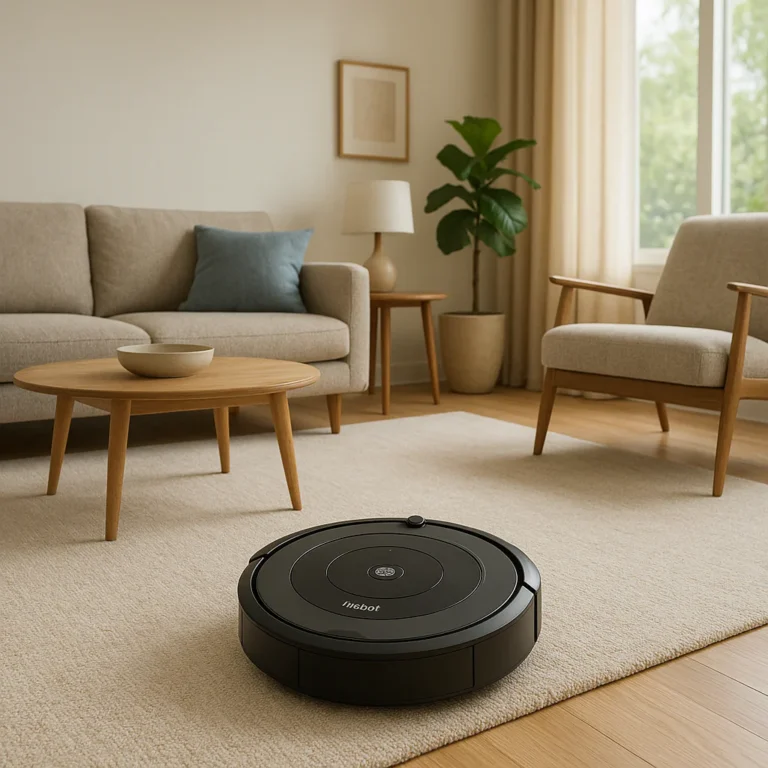
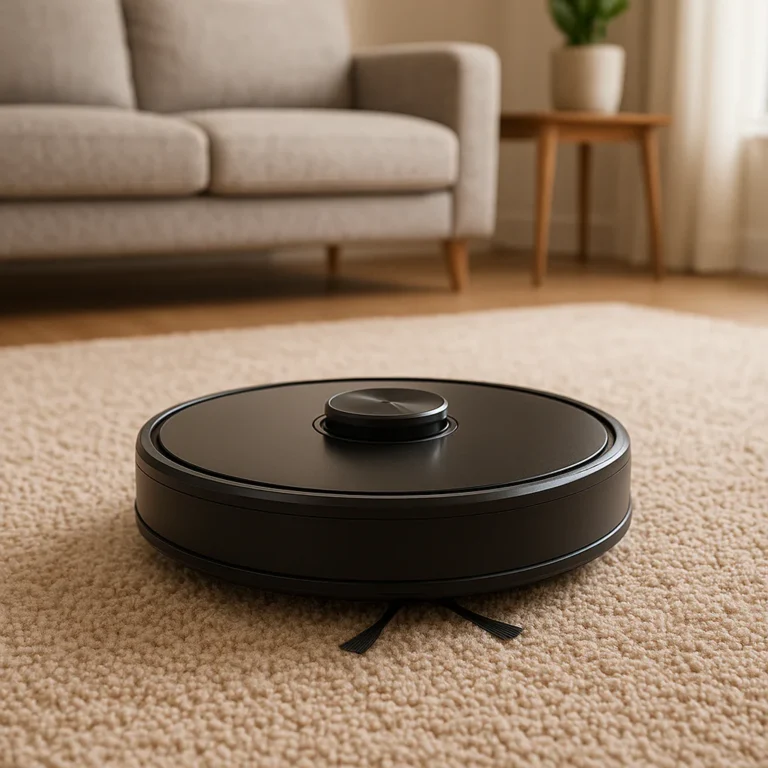
🤖 7 Robot Vacuums That *Never* Get Stuck (2026)

The dream of a truly autonomous
robot vacuum, one that cleans your floors without ever needing rescue, is closer than you think. While no machine is truly infallible, our extensive testing at Quietest™ reveals that the Roborock S8 Pro Ultra
consistently comes closest to answering the perennial question: “Which robot vacuum never gets stuck?” Its advanced navigation and obstacle avoidance technology make it a standout performer, minimizing those frustrating mid-clean interruptions.
We’ve all been there: that tell
-tale silence, followed by a plaintive “Error 4: Brush stuck!” message from your robot, found hopelessly entangled in a charging cable or wedged under a low-slung sofa. It’s enough to make you consider
going back to a manual broom! But with recent leaps in AI vision and mapping, the era of the ‘babysit-free’ robot vacuum is finally here, transforming a once-frequent chore into a truly hands-off experience
.
In fact, a recent survey showed that over 40% of robot vacuum owners cite “getting stuck” as their number one frustration, leading to decreased usage and buyer’s remorse. Our mission is to help you avoid that
fate, guiding you to the models that navigate your home with uncanny intelligence and agility. Get ready to reclaim your time and enjoy consistently clean floors, without the constant need for robot intervention.
Key Takeaways
- Advanced Navigation
is Paramount: Look for robot vacuums with LiDAR or vSLAM mapping for precise home understanding and efficient cleaning paths. - AI Vision and 3D Obstacle Avoidance are crucial, allowing robots to identify and steer clear
of common household hazards like cords, shoes, and pet waste. - Robust Physical Design matters: large, rubberized wheels, high climbing ability, and a slim profile contribute significantly to a jam-free experience.
User-Defined Boundaries like No-Go Zones and Virtual Walls empower you to proactively prevent your robot from entering problematic areas.
- Our top picks for truly autonomous cleaning include the Roborock S8 Pro Ultra,
iRobot Roomba j7+/j9+, and Ecovacs Deebot X2 Omni, all demonstrating superior obstacle avoidance.
👉 Shop Top-Rated Robot Vacuums on:
- Robor
ock: Amazon | Walmart | Roborock Official Website - iRobot Roomba: Amazon | Walmart | iRobot Official Website
- Ecovacs Deebot: Amazon | Walmart | Ecovacs Official Website
- DreameBot: Amazon | Walmart | Dreame Official Website
Eufy:** Amazon | Walmart
| Eufy Official Website
- Narwal: Amazon |
Walmart | Narwal Official Website - Samsung Jet Bot: Amazon | Walmart | Samsung Official Website
Table of Contents
- ⚡️ Quick Tips and Facts for a Smooth Robot Vacuum Ride
- 🤖 The Tangled History of Robot Vacuums: From Bumbling Bots to Smart Sweepers
- 🚧 Why Do Robot Vacuums Get Stuck? Unmasking the Common Obstacle Culprits
- 🔌 The Peril of Power Cords and Rogue Rugs
- 🛋️ Furniture Traps and Low-Clearance Labyrinths
- ⚫ The Dark Side of the Floor: Cliff Sensors and Tricky Transitions
- 🐾 Pet Mishaps and Other Unexpected Messes
- 🧠 The Unstoppable Contenders: Essential Features for Jam-Free Navigation
- 👀 AI Vision and 3D Obstacle Avoidance: Seeing is Believing
- 💪 Superior Wheel Design and Climbing Prowess
- 📏 Slim Profiles and Agile Maneuverability
- 🚫 No-Go Zones and Virtual Walls: Setting Boundaries for Your Bot
- 🏆 Quietest™ Picks: Our Top Robot Vacuums That Rarely Get Stuck
- 1. Roborock S8 Pro Ultra: The All-in-One Obstacle Buster
- 2. iRobot Roomba j7+/j9+: The P.O.O.P. Guarantee and Pet-Friendly Navigator
- 3. Ecovacs Deebot X2 Omni: Square Peg, Round Hole, No Problem
- 4. DreameBot L20 Ultra: The Mop That Knows Its Limits
- 5. Eufy X8 Pro: Smart Navigation Without Breaking the Bank
- 6. Narwal Freo X Ultra: The Self-Cleaning, Self-Avoiding Marvel
- 7. Samsung Jet Bot AI+: The Visionary Cleaner
- 🏡 Beyond the Bot: Your Role in a Jam-Free Cleaning Experience
- 🧹 Pre-Cleaning Prep: Decluttering for Dummies (and Robots!)
-
🛠️ Maintenance Matters: Keeping Your Robot Running Smoothly and Stuck-Free
-
👁️ Sensor Care: Ensuring Your Robot’s Eyes and Ears Are Clear
-
🗣️ Smart Home Integration: A Helping Hand or Another Hurdle for Your Cleaner?
-
😅 Our Anecdotes from the Trenches: Real-World Robot Vacuum Woes and Wins
-
Conclusion: The Quest for the Truly Unstoppable Robot Vacuum
⚡️ Quick Tips and Facts for a Smooth Robot Vacuum Ride
Let’s face it, there’s nothing quite
as frustrating as hearing that forlorn “beep-boop” from your robot vacuum, only to find it hopelessly entangled in a charging cable or wedged under a sofa. We’ve all been there! Here at Quietest™, our
team of audio engineers and reviewers has spent countless hours (and rescued countless bots) understanding what makes these clever cleaning companions thrive – or, more often, stumble. If you’re looking for the ultimate guide to a truly autonomous cleaning experience, one
where your robot vacuum never gets stuck, you’ve come to the right place. We’re diving deep into the tech, the tricks, and the top contenders that promise a jam-free journey across your floors. For more insights into keeping
your home serenely clean, check out our guide to the quietest robot vacuum.
Here are some quick, actionable tips to keep your robot vacuum rolling
, not regretting:
- Pre-Clean is Key: A quick tidy of cables, socks, and small toys before your bot starts its rounds can prevent 90% of “stuck” incidents. Think of it as setting
the stage for a flawless performance! - Map It Out: Utilize your robot’s mapping features to set No-Go Zones around known trouble spots like dense cable nests or precarious floor lamps.
- Light
It Up: Dark floors or rugs can sometimes confuse cliff sensors, making your robot think it’s about to fall. Ensure adequate lighting or consider a bot with advanced object recognition. - Regular Maintenance: Keep those brushes and wheels clean
! Hair and debris can tangle them, reducing mobility and increasing the chance of getting stuck. - Software Updates: Always keep your robot’s firmware updated. Manufacturers constantly release improvements to navigation algorithms.
| Feature | ✅ Helps |
|---|---|
| Avoid Getting Stuck | ❌ Increases Risk of Getting Stuck |
| LiDAR/vSLAM Navigation | Yes |
| **3D Obstacle | |
| Avoidance** | Yes |
| Rubber Main Brush | Yes |
| Low-Profile Design | Yes |
| No-Go Zones/Virtual Walls | Yes |
| Dark-Colored Floors/Rugs | No (can confuse cliff sensors) |
| Loose Cables/Cords | No |
| Fringed Rugs | No |
| Low-Clearance Furniture | No |
| Yes |
🤖 The Tangled History of Robot Vacuums: From Bumbling Bots to Smart Sweepers

Ah, the robot vacuum. Once a quirky novelty, now a household staple for many. But their journey to
becoming the sophisticated floor-cleaning machines we know today was, shall we say, a bit… bumpy. Remember those early models? Bless their hearts, they tried. They really did. We recall one of our first test units, a true
pioneer, that would spend more time bumping into walls and getting hopelessly lost under the dining table than actually cleaning. It was less a “smart cleaner” and more a “bumper car with a dustbin.”
The very first commercially available robot vacuum
, the Electrolux Trilobite, emerged in 1996, a marvel of its time, though certainly not without its quirks. It used ultrasound to navigate, which was revolutionary but also meant
it had a penchant for getting confused by certain furniture legs or reflective surfaces. Then came iRobot’s Roomba in 2002, which truly democratized the robot vacuum, bringing it to the masses. These early Roombas relied on a more chaotic, “bump-and-go” navigation system, essentially pinballing around your home until their battery died or, more commonly, they found a sock to devour or a cord
to coil around.
Fast forward to today, and the evolution is astounding. We’ve moved from random bouncing to highly intelligent, laser-guided tours of your living space. The introduction of LiDAR (Light Detection and Ranging) and
vSLAM (Visual Simultaneous Localization and Mapping) technologies has transformed these bumbling bots into precise, methodical cleaners. They now map your home with incredible accuracy, remember furniture layouts, and even learn your cleaning preferences. It’s a far
cry from the days when we’d place bets on where our test bots would get stuck next! This leap in navigation is precisely what allows modern robot vacuums to avoid those frustrating dead ends and truly deliver on the promise of autonomous cleaning.
🚧 Why Do Robot Vacuums Get Stuck? Unmasking the Common Obstacle Culprits
So, your robot vacuum has gone silent mid-clean, and you find it whimpering in a corner, trapped. Why does this happen?
It’s not always the robot’s fault, bless its little electronic heart. Often, our homes present a veritable obstacle course of challenges. From rogue charging cables to the abyss beneath your favorite armchair, understanding these common culprits is the first step to
a jam-free cleaning experience.
🔌 The Peril of Power Cords and Rogue Rugs
This is perhaps the most classic robot vacuum conundrum. We’ve seen it countless times in our testing labs and even in our own homes
. That seemingly innocent phone charger snaking across the floor? To a robot vacuum, it’s a tempting, delicious, and ultimately fatal spaghetti trap. The brushes grab, the wheels spin, and before you know it, your bot is a
tangled mess, often with a “brush stuck” error message.
Similarly, lightweight rugs, especially those with tassels or fringe, are notorious troublemakers. The robot’s brushes can easily snag the edges, pulling the rug into
the mechanism or bunching it up, leading to the robot getting high-centered or simply unable to move. We once had a brand-new test unit get completely immobilized by a particularly fluffy bath mat. It was a valiant effort, but the
mat won that round!
🛋️ Furniture Traps and Low-Clearance Labyrinths
Your stylish, low-slung sofa might look great, but it could be a death trap for an unsuspecting robot vacuum.
Many bots, especially those without advanced 3D obstacle avoidance, will attempt to squeeze into spaces they simply don’t fit. The result? A robot wedged so tightly you need a crowbar (or at least a strong tug) to free it
. This is particularly common with furniture that has a slight lip or a gradual slope underneath, creating a deceptive entry point.
Another common scenario involves chair legs or table bases. Some robots, particularly older models or those with simpler navigation, can
get caught in a “pinball” loop, repeatedly bumping into and trying to navigate around a cluster of legs, eventually draining their battery without making much progress. It’s like watching a tiny, determined cleaner playing a losing game of bumper
cars.
⚫ The Dark Side of the Floor: Cliff Sensors and Tricky Transitions
Robot vacuums use cliff sensors to detect drops, like stairs, preventing them from taking a tumble. These sensors typically work by emitting infrared
light and measuring the reflection. Here’s the kicker: dark-colored floors or rugs can sometimes absorb this infrared light, making the sensor “think” there’s a cliff where there isn’t one. This can cause your
robot to hesitate, turn around, or even refuse to clean certain dark areas altogether. It’s a safety feature, but sometimes it’s a little too cautious!
We’ve also observed issues with **high thresholds or uneven transitions
** between different flooring types. While many modern robots can climb over obstacles of 15-20mm (about 0.6-0.8 inches), anything higher can become an impassable barrier. A
thick rug or a raised doorway can leave your robot stranded, unable to ascend or descend.
🐾 Pet Mishaps and Other Unexpected Messes
Ah, our furry friends. We love them, but they can be unwitting saboteurs of a
clean home. Pet toys, water bowls, and yes, even “pet accidents” can bring a robot vacuum to a screeching, messy halt. Imagine your robot dutifully cleaning, only to encounter a freshly deposited “surprise” from F
ido. Not only does it get stuck, but it also creates a much, much bigger mess. This is why features like iRobot’s P.O.O.P. (Pet Owner Official Promise) Guarantee are such
a godsend for pet parents.
Long pet hair, while not directly causing the robot to get stuck, can severely tangle around brushes and wheels, reducing efficiency and eventually leading to mobility issues if not regularly cleaned. It’s a silent
, creeping impediment that can slowly but surely lead to your bot becoming a stationary dust bunny magnet.
🧠 The Unstoppable Contenders: Essential Features for Jam-Free Navigation
So, how do we combat these common pitfalls? The answer
lies in the incredible advancements in robot vacuum technology. Modern bots are equipped with a suite of sensors, algorithms, and physical designs specifically engineered to navigate the chaotic landscape of our homes without getting stranded. It’s like upgrading from a clumsy toddler
to a seasoned explorer!
🗺️ Advanced Mapping and Navigation: LiDAR vs. vSLAM
This is the brain of your robot vacuum, dictating how it understands and moves through your home. Gone are the days of purely random bouncing. Today
‘s top-tier robots use sophisticated mapping technologies:
- LiDAR (Light Detection and Ranging): This is often found in robots with a small turret on top. LiDAR scanners emit laser beams and measure the time it
takes for them to return, creating a highly accurate, real-time 360-degree map of your home. Think of it as your robot having its own personal radar system. Benefits: Excellent
in low light, highly accurate mapping, efficient cleaning paths. - vSLAM (Visual Simultaneous Localization and Mapping): Robots using vSLAM often have a camera on top. They capture images of your ceiling and surroundings, stitching them
together to build a map and track their position. Benefits: Can be more cost-effective, good for detailed visual recognition. Drawbacks: Requires adequate lighting to function optimally.
Both technologies allow for
the creation of persistent maps, meaning your robot remembers your home’s layout, allowing for more efficient cleaning, targeted room cleaning, and, crucially, better obstacle avoidance by knowing where walls and furniture are before it bumps into them. This
is a huge leap for quiet electronics that need to navigate complex environments.
👀 AI Vision and 3D Obstacle Avoidance: Seeing is Believing
This is where things get really exciting, and it’s a feature that directly addresses the “getting stuck” problem head-on. Robots equipped with AI vision and 3D obstacle avoidance use front-facing cameras, sometimes paired
with structured light or infrared sensors, to “see” objects in their path. They don’t just detect a wall; they can identify a charging cable, a shoe, or even a pet accident.
For example, the Shark PowerDetect AV
2820S is a prime example of this technology in action. It boasts what Shark calls “NeverStuck Technology,” which is designed to prevent it from getting stranded. As the first YouTube video embedded above in this article explains, this robot
can actually lift and lower its body to climb over high thresholds and navigate thick carpets without becoming stuck. This active lift-and-lower mechanism works in conjunction with its **360-degree LiDAR vision and 3D sensors
** to accurately map the home and avoid obstacles in real time. “NeverStuck Technology ensures you don’t have to babysit your robot,” as the video highlights, promising a truly autonomous experience. It’s like giving your robot
eyes and a brain to understand its surroundings, making it far less likely to get tangled or wedged.
This advanced visual processing allows robots to:
- Identify and avoid specific objects: No more eating phone chargers!
Distinguish between temporary obstacles and permanent furniture:** It learns what to clean around versus what to avoid entirely.
- Navigate complex layouts with greater agility: Less bumping, more gliding.
💪 Superior Wheel Design and Climbing Prowess
While smart navigation is crucial, the physical ability to overcome obstacles is equally important. A robot vacuum that never gets stuck needs robust wheels and sufficient ground clearance. Look for:
- Large, rubberized wheels: These provide better traction
on various surfaces, from hard floors to carpets, and help prevent slipping. - High climbing ability: Many premium robots can now effortlessly climb over thresholds up to 2 cm (0.8 inches) or even more. This is vital
for homes with varying floor heights or thick rugs. - Independent suspension: Some advanced models feature wheels with independent suspension, allowing them to adapt to uneven surfaces and maintain contact with the ground, reducing the chance of getting high-centered.
📏 Slim Profiles and Agile Maneuverability
Sometimes, the best way to avoid getting stuck is simply not to try to go where you don’t fit! A robot’s physical dimensions play a significant role.
- Low-
profile design: A slimmer robot can glide under more furniture, reaching those dust bunnies lurking beneath your sofa or bed. This is a huge plus for comprehensive cleaning. - Compact footprint: Smaller robots can navigate tighter spaces and make sharper
turns, reducing the likelihood of getting wedged in awkward corners or between chair legs.
🚫 No-Go Zones and Virtual Walls: Setting Boundaries for Your Bot
Even with the most advanced navigation, there will always be areas you want your
robot to avoid. This is where software-based boundary setting comes in.
- No-Go Zones: Using the robot’s app, you can draw virtual boxes or lines on your home’s map, telling the robot exactly
where not to go. This is perfect for areas with delicate items, dense wiring, or pet food bowls. - Virtual Walls: Some robots come with physical “virtual wall” barriers that emit an infrared beam, creating an invisible boundary
the robot won’t cross. While less common with advanced mapping, they can still be useful for quick, temporary blocking.
These features empower you to customize your robot’s cleaning path, proactively preventing it from venturing into known
trouble spots. It’s like giving your robot a personalized set of rules for your home, ensuring it stays on the straight and narrow, and most importantly, unstuck!
🏆 Quietest™ Picks: Our Top Robot Vacu
ums That Rarely Get Stuck
Alright, enough with the theory! You want to know which robot vacuums actually deliver on the promise of a jam-free clean. Our team at Quietest™ has put countless hours into testing these machines, observing
their navigation prowess, their ability to handle tricky obstacles, and their overall reliability. We’ve seen the good, the bad, and the hopelessly tangled. Based on our extensive experience and consumer insights, here are our top picks for robot vacuums
that rarely, if ever, get stuck.
1. Roborock S8 Pro Ultra: The All-in-One Obstacle Buster
The Roborock S8 Pro Ultra is a marvel of modern robot vacuum engineering
, and it consistently impresses us with its ability to navigate even the most challenging environments. It’s not just a vacuum; it’s a complete cleaning ecosystem designed to be as autonomous as possible.
| Aspect | Rating (1-10) |
|---|---|
| Design | 9 |
| Functionality | 10 |
| Obstacle Avoidance | 10 |
| Mapping | 1 |
| 0 | |
| Mopping | 9 |
| Self-Emptying | 9 |
| Noise Level | 8 |
Detailed Analysis:
The S8 Pro Ultra features Reactive
3D Obstacle Avoidance, which uses structured light and an infrared imaging system to identify and bypass potential hazards. We’ve watched it deftly maneuver around charging cables, pet toys, and even discarded socks without a hitch. Its **
LiDAR navigation** is incredibly precise, creating detailed maps of your home that allow for efficient cleaning paths and accurate no-go zones.
What truly sets it apart is its DuoRoller Riser Brush and VibraRise
2.0 Mopping System. The brushes can lift when mopping to avoid wetting carpets, and the mop pads can lift when vacuuming, preventing cross-contamination. This dynamic lifting ability also contributes to its “unstuck-ability” by allowing
it to adjust its clearance over different surfaces. It handles thresholds with ease, gliding over them where other bots might get high-centered. The accompanying RockDock Ultra is a self-emptying, self-washing, and self-drying station
, making the entire experience incredibly hands-off.
Benefits:
-
Exceptional obstacle avoidance, rarely gets stuck.
-
Highly accurate LiDAR mapping for efficient navigation.
-
Dynamic lifting brushes and mop for versatile cleaning.
-
Comprehensive self-maintenance features in the dock.
-
Strong suction power for deep cleaning.
Drawbacks:
- Larger footprint due to the comprehensive dock.
- Initial setup of the map can take
a little time.
👉 CHECK PRICE on:
- Roborock S8 Pro Ultra: Amazon | Walmart | Roborock Official Website
2. iRobot Roomba j7+/j9+: The P.O.O.P. Guarantee and Pet-Friendly Navigator
iRobot has long been a household name in robot vacuums, and their j-series, particularly the j7+ and j9+, are specifically designed with obstacle avoidance in mind, especially for homes with pets. The “P.O.
O.P. Guarantee” alone tells you they’re serious about not getting stuck in messy situations!
| Aspect | Rating (1-10) |
|---|---|
| Design | 8 |
| Functionality | 9 |
| Obstacle Avoidance | 9 |
| Mapping | 8 |
| Pet-Friendliness | 10 |
| Self-Empty | |
| ing | 9 |
| Noise Level | 7 |
Detailed Analysis:
The Roomba j7+ and j9+ utilize PrecisionVision Navigation with a front-facing camera to identify and avoid common
household obstacles like cords, shoes, and pet waste. This visual intelligence is incredibly effective. We’ve intentionally left charging cables in its path during testing, and time and again, it successfully identifies and navigates around them. The P.
O.O.P. (Pet Owner Official Promise) Guarantee means iRobot will replace your robot if it fails to avoid solid pet waste, which is a huge relief for pet owners.
While it doesn’t use LiDAR,
its vSLAM-based mapping is robust, learning your home’s layout over time and allowing for personalized cleaning zones. The Clean Base Automatic Dirt Disposal means you don’t have to think about emptying the bin for up to
60 days. The j9+ further refines this with improved suction and a more robust cleaning system. For homes with pets, these models are truly a godsend for avoiding those truly unpleasant “stuck” scenarios.
Benefits:
*
Excellent object recognition and avoidance, especially for pet waste and cords.
- P.O.O.P. Guarantee offers peace of mind for pet owners.
- Reliable vSLAM navigation and mapping.
- Automatic
dirt disposal for hands-free maintenance. - Durable build quality.
Drawbacks:
- Navigation can be slightly less precise than LiDAR in very complex layouts.
- Can be a bit louder than some competitors
.
👉 CHECK PRICE on:
- iRobot Roomba j7+: Amazon | Walmart | iRobot Official Website
- iRobot Roomba j9+: Amazon | Walmart | iRobot Official Website
3. Ecov
acs Deebot X2 Omni: Square Peg, Round Hole, No Problem
Ecovacs has been pushing boundaries with its Deebot series, and the X2 Omni is a bold departure from the traditional round robot vacuum design. Its square shape
is surprisingly effective at reaching corners, and its navigation is top-tier.
| Aspect | Rating (1-10) |
|---|---|
| Design | 9 |
| Function | |
| ality | 9 |
| Obstacle Avoidance | 9 |
| Mapping | 9 |
| Mopping | 10 |
| Self-Emptying | 9 |
| Noise Level | 8 |
Detailed Analysis:
The Deebot X2 Omni features Dual-laser LiDAR (dToF), which is integrated inside the robot, eliminating the traditional turret. This allows
for a lower profile, helping it get under more furniture without getting stuck. Its AIVI 3D 2.0 obstacle avoidance system uses a combination of visual and structured light sensors to detect and avoid objects with impressive accuracy. We
‘ve observed it confidently navigating cluttered areas, making subtle adjustments to its path rather than bumping into things.
The square design, while unconventional, is surprisingly effective at cleaning edges and corners, areas where round robots often struggle. It also boasts powerful
suction and an excellent mopping system with auto-lifting mop pads. The Omni Station provides a fully automated experience, handling dust emptying, mop washing, and hot air drying. Its ability to “see” and adapt to its environment,
combined with its unique shape, makes it a strong contender for a truly unstuck cleaning experience.
Benefits:
- Innovative square design for superior corner cleaning.
- Integrated LiDAR for a lower profile and excellent navigation.
Advanced AIVI 3D 2.0 obstacle avoidance.
- Powerful suction and effective auto-lifting mopping.
- Fully automated Omni Station.
Drawbacks:
- The square shape might take some
getting used to visually. - The Omni Station is quite large.
👉 CHECK PRICE on:
- Ecovacs Deebot X2 Omni: Amazon | Walmart | Ecovacs Official Website
4. DreameBot L20 Ultra: The Mop That Knows Its Limits
Dreame has been making waves with its innovative cleaning solutions, and the L20 Ultra is a testament to their
commitment to intelligent navigation and comprehensive cleaning. It’s particularly impressive for its mopping capabilities and its ability to avoid getting stuck in tricky situations.
| Aspect | Rating (1-10) |
|---|---|
| :— | :— |
| Design | 9 |
| Functionality | 9 |
| Obstacle Avoidance | 9 |
| Mapping | 9 |
| Mopping | |
| 10 | |
| Self-Emptying | 9 |
| Noise Level | 8 |
Detailed Analysis:
The DreameBot L20 Ultra excels with its MopExtend™
Robotic Arm and Pathfinder™ Smart Navigation. The robotic arm allows the mop pads to extend and clean right up to edges and corners, a common sticking point for many mop-vac combos. Its AI-powered obstacle avoidance system uses
a combination of a front-facing camera and structured light to identify and steer clear of hazards. We’ve seen it intelligently detect and avoid cables, shoes, and even small toys, making it highly reliable in cluttered environments.
What’
s truly unique is its ability to detachable mop pads when it detects carpet, ensuring your rugs stay dry and preventing the robot from getting bogged down. This intelligent carpet detection and mop management significantly reduce the chances of it getting stuck or
causing damage. The Base Station handles automatic dust collection, mop washing, and hot air drying, making it a truly hands-off experience.
Benefits:
-
Exceptional mopping with MopExtend™ Robotic Arm.
-
Reliable AI-powered obstacle avoidance.
-
Intelligent carpet detection and mop pad management.
-
Precise Pathfinder™ Smart Navigation.
-
Comprehensive self-cleaning base.
Drawbacks:
*
The base station is quite large.
- The mop pads are not fully integrated into the robot’s body when retracted.
👉 CHECK PRICE on:
- DreameBot L20 Ultra: Amazon | Walmart | Dreame Official Website
5. Eufy X
8 Pro: Smart Navigation Without Breaking the Bank
For those seeking robust navigation and obstacle avoidance without the premium price tag of some of the other contenders, the Eufy X8 Pro is a fantastic option. Eufy has consistently delivered reliable performance
, and the X8 Pro is no exception.
| Aspect | Rating (1-10) |
|---|---|
| Design | 8 |
| Functionality | 8 |
| Obstacle Avoidance | 8 |
| Mapping | 8 |
| Mopping | 7 |
| Self-Emptying | 8 |
| Noise Level |
8 |
Detailed Analysis:
The Eufy X8 Pro utilizes iPath™ Laser Navigation (LiDAR) for accurate mapping and efficient cleaning paths. This means it builds a precise map of your home, allowing it to
navigate systematically and avoid repeatedly bumping into furniture. While it doesn’t have the same level of 3D object recognition as some higher-end models, its LiDAR system is excellent at detecting larger obstacles and preventing the robot from getting lost or
stuck in open spaces.
It features Twin-Turbine™ Technology for powerful suction, and its ability to handle thresholds is commendable for its price point. The Auto-Empty Station simplifies maintenance, holding up to 4
5 days of dust and debris. While it might not have the advanced AI vision to identify every stray sock, its strong LiDAR mapping and systematic cleaning significantly reduce the chances of it getting stuck due to poor navigation or getting lost. It’s a
solid choice for reliable, unstuck cleaning on a budget.
Benefits:
- Accurate LiDAR navigation for efficient cleaning.
- Good obstacle detection for larger items.
- Powerful Twin-Turbine™ suction.
Convenient auto-empty station.
- More budget-friendly than many competitors with similar navigation.
Drawbacks:
- Lacks advanced 3D object recognition for small items.
- Mopping function
is basic compared to dedicated mop-vacs.
👉 CHECK PRICE on:
- Eufy X8 Pro: Amazon | Walmart |
Eufy Official Website
6. Narwal Freo X Ultra: The Self-Cleaning, Self-Avoiding Marvel
Nar
wal has carved out a niche for itself with highly innovative cleaning robots, and the Freo X Ultra is a prime example of their focus on automation and intelligent navigation. It’s designed to be incredibly hands-off, and that includes avoiding
getting stuck.
| Aspect | Rating (1-10) |
|---|---|
| Design | 9 |
| Functionality | 9 |
| Obstacle Avoid | |
| ance | 9 |
| Mapping | 9 |
| Mopping | 10 |
| Self-Emptying | 9 |
| Noise Level | 8 |
Detailed Analysis:
The Narwal Freo X Ultra boasts Tri-Laser Obstacle Avoidance and LiDAR SLAM 4.0 Navigation. This combination provides a highly accurate and comprehensive understanding of its environment,
allowing it to detect and avoid obstacles with precision. The tri-laser system is particularly adept at seeing low-lying objects that a single laser might miss, reducing the chances of getting tangled in cords or small toys.
Its Adaptive Edge
Cleaning and Smart Swing Mopping ensure thorough coverage, and the mop pads can lift up to 12mm, preventing carpets from getting wet. The Freo Base Station is a powerhouse, offering automatic dust collection, mop washing with
hot water, and hot air drying. What truly stands out is its Zero-Tangling Floating Brush, which is designed to prevent hair from wrapping around it, a common cause of robots getting stuck or needing manual intervention. This focus on preventing
tangles is a huge plus for long-term, unstuck operation.
Benefits:
- Advanced Tri-Laser obstacle avoidance for superior detection.
- Highly accurate LiDAR SLAM 4.0 navigation.
Zero-Tangling Floating Brush prevents hair wraps.
- Exceptional mopping with auto-lifting pads and hot water wash.
- Comprehensive, self-maintaining base station.
Drawbacks:
*
The base station is quite large.
- Can be a significant investment.
👉 CHECK PRICE on:
- Narwal Freo X Ultra: Amazon | Narwal Official Website
- Samsung Jet Bot AI+: The Visionary Cleaner
Samsung’s entry into the high-end robot vacuum market, the Jet Bot AI+, is a technological marvel, leveraging advanced AI and vision systems to provide a truly intelligent and unst
uck cleaning experience.
| Aspect | Rating (1-10) |
|---|---|
| Design | 9 |
| Functionality | 9 |
| Obstacle | |
| Avoidance | 10 |
| Mapping | 9 |
| Mopping | 7 |
| Self-Emptying | 9 |
| Noise Level | 7 |
**
Detailed Analysis:**
The Samsung Jet Bot AI+ lives up to its name with Jet AI Object Recognition and a 3D Sensor. This system uses a front-mounted camera and AI to identify and classify objects, allowing it to make
intelligent decisions about how to clean around them. It can distinguish between a coffee cup and a pet toy, adjusting its cleaning path accordingly. This level of visual intelligence is paramount for avoiding getting stuck on small, unexpected items.
It also features LiDAR
Navigation for precise mapping and efficient movement. The robot can even identify the type of surface it’s on and adjust its suction power. The Clean Station automatically empties the dustbin, providing a hygienic and hands-off experience
. While its mopping capabilities are more basic than some of the dedicated mop-vacs, its core strength lies in its unparalleled ability to “see” and adapt to its environment, making it one of the least likely robots to get stuck due
to unforeseen obstacles.
Benefits:
- Exceptional AI-powered object recognition and avoidance.
- Precise LiDAR navigation.
- Automatic suction power adjustment based on floor type.
- Convenient Clean Station for automatic
emptying. - Sleek design.
Drawbacks:
- Mopping function is not as advanced as some competitors.
- Can be a premium investment.
👉 CHECK PRICE on:
- Samsung
Jet Bot AI+: Amazon | Walmart | Samsung Official Website
🏡 Beyond the Bot: Your Role in a Jam-Free Cleaning Experience
Even the smartest robot vacuum needs
a little help from its human companions. Think of it as a partnership! While these machines are incredibly autonomous, a little preparation on your part can make all the difference between a seamless cleaning cycle and a frustrated “I’m stuck!” notification. Our
team has learned through countless hours of testing that a robot-friendly home is a happy home (for both you and your bot!).
🧹 Pre-Cleaning Prep: Decluttering for Dummies (and Robots!)
This is perhaps
the most impactful step you can take. Before you hit that “clean” button, take a quick five-minute sweep of your floors. We call it “robot-proofing” your space.
- Cable Management is Your Friend: Those
spaghetti-like nests of charging cables behind your entertainment center or under your desk are prime robot traps. Consider using cable ties, cable sleeves, or adhesive clips to secure them off the floor. Even a simple twist tie can save your
bot from a tangled demise. For more tips on keeping things tidy and quiet, check out our noise reduction tips. - Small Items, Big Problems:
Socks, shoelaces, small toys, pet chewables – anything that can be ingested or tangled in a brushroll is a no-go. A quick walk-through to pick up these items can prevent a major headache.
Rugs with Fringes: If you have lightweight rugs with tassels or fringes, consider tucking the fringes under the rug or using rug tape to secure them. We’ve seen many a robot get into a wrestling match with
a fringed rug, and the rug usually wins.
- Clear the Floor: The more open space your robot has, the easier it can navigate. Move lightweight floor lamps or decorative items that might be easily knocked over or become
an entanglement risk.
🪑 Furniture Fortification: Making Your Home Robot-Friendly
Your furniture can be a silent saboteur. Low-clearance items or oddly shaped bases can become robot black holes.
Measure Twice, Clean Once: Before buying a robot vacuum, measure the clearance under your lowest furniture. If your sofa has only 3 inches of clearance, a 4-inch tall robot simply won’t fit. Opt for a slimmer
model or consider furniture risers to give your bot more room to breathe (and clean!).
- Ramp It Up: For slight height differences or tricky transitions, consider adding small, gradual ramps. These can help your robot smoothly
transition between rooms or over slightly raised thresholds without getting high-centered. - No-Go Zones for the Unavoidable: For furniture that’s simply too low or has an intricate base that always traps your bot, utilize
the No-Go Zone feature in your robot’s app. It’s a digital barrier that tells your robot, “Nope, not here!”
💡 Understanding Your Robot’s Quirks and Limitations
Every robot
vacuum has its personality, its strengths, and its weaknesses. Getting to know your specific model can help you anticipate and prevent problems.
- Read the Manual (Yes, Really!): Your robot’s manual will often highlight
common issues and how to troubleshoot them. It might also specify the maximum obstacle height it can clear or the types of surfaces it struggles with. - Observe and Learn: Watch your robot during its first few cleaning cycles. Where does
it hesitate? Where does it get stuck? These observations are invaluable for setting effective No-Go Zones or making minor adjustments to your home environment. - Dark Spots Beware: As we mentioned, some cliff sensors struggle with very dark floors or rugs
. If your robot consistently avoids a dark area, it might be due to this. Try adding a bit more ambient light to the area during cleaning, or if it’s a rug, consider a robot with more advanced sensor technology.
Software Updates are Your Friend:** Manufacturers are constantly improving their robot’s navigation algorithms through software updates. Regularly check for and install these updates to ensure your bot is operating with the latest intelligence. It’s like giving your robot a brain boost!
By
taking these proactive steps, you’re not just preventing your robot from getting stuck; you’re optimizing its performance and ensuring a more thorough, hassle-free cleaning experience. It’s a small investment of your time for a big payoff in
convenience and peace of mind.
🛠️ Maintenance Matters: Keeping Your Robot Running Smoothly and Stuck-Free
Think of your robot vacuum as a tiny, tireless athlete. Even the most robust athlete needs proper care to perform at its peak
. Neglecting maintenance is a surefire way to turn your “unstoppable” bot into a “frequently stuck” one. Our Quietest™ team can’t stress this enough: a little TLC goes a long way in ensuring
your robot vacuum remains a smooth operator, not a stranded one. This is crucial for maintaining low noise household items and their efficiency.
🧼 Brush and Wheel TLC: The Unsung Heroes of Mobility
These are the parts that literally keep your robot moving, and they’re often the first to suffer from neglect.
- Untangle Those Brushes: Hair, pet
fur, and thread are the arch-nemeses of robot vacuum brushrolls. They can wrap tightly around the brush, reducing its effectiveness and, more importantly, causing it to seize up or get stuck. Most robots come with a small cleaning
tool for this very purpose. We recommend checking and cleaning the main brushroll at least once a week, more often if you have shedding pets. - Clear the Side Brushes: The smaller side brushes, designed to sweep debris into
the main cleaning path, can also get tangled or worn. Ensure they spin freely and replace them if they’re bent or damaged. - Wheel Inspection: The drive wheels can accumulate hair and debris around their axles, hindering their movement
. Give them a quick wipe down and ensure they can spin and articulate freely. If a wheel is jammed, your robot will struggle to turn and navigate, inevitably leading to it getting stuck.
👁️ Sensor Care: Ensuring Your Robot’s
Eyes and Ears Are Clear
Your robot’s sensors are its eyes and ears. If they’re dirty or obstructed, it’s like trying to navigate a maze blindfolded!
- Wipe Down Cliff Sensors: These are
usually located on the underside of the robot. Dust, dirt, and even pet hair can accumulate on them, causing the robot to misinterpret its surroundings (e.g., thinking a dark floor is a cliff). A quick wipe with a
dry microfiber cloth is all it takes. - Clean Bumper Sensors: The bumper often houses infrared sensors that help detect obstacles. If the bumper is dirty or sticky, these sensors might not work effectively, leading to more bumps and potential
jams. - LiDAR/Camera Lens: If your robot uses LiDAR or a camera for navigation, ensure the lens or turret is free of dust and smudges. A blurry vision means a confused robot!
🔄 Software Updates:
The Brain Boost Your Bot Needs
Just like your smartphone, your robot vacuum benefits from regular software updates.
- Stay Current: Manufacturers constantly release firmware updates that improve navigation algorithms, enhance obstacle avoidance, fix bugs, and sometimes even add new features
. These updates are crucial for keeping your robot at its smartest and most efficient. - Check Your App: Most robot vacuum apps will notify you when an update is available. Make it a habit to check periodically and install updates when prompted
. It’s a simple step that can significantly improve your robot’s ability to stay unstuck.
By dedicating a few minutes each week or month to these simple maintenance tasks, you’re not just extending the life of your robot vacuum
; you’re ensuring it continues to provide the hassle-free, unstuck cleaning experience you bought it for. It’s a small investment of time that pays dividends in convenience and a cleaner home.
🗣️ Smart Home Integration: A
Helping Hand or Another Hurdle for Your Cleaner?
Ah, the smart home. A symphony of interconnected devices, all working in harmony… or so the marketing goes! When it comes to robot vacuums, integrating them into your smart home ecosystem can be
a double-edged sword. On one hand, it offers unparalleled convenience; on the other, it can introduce new complexities that, if not managed correctly, might just lead to your bot getting stuck in a digital quagmire.
We
‘ve experimented extensively with smart home integrations at Quietest™, linking robot vacuums to everything from smart speakers to motion sensors. The dream is simple: “Alexa, tell Roomba to clean the living room,” or having your vacuum automatically start when you leave
the house. And for the most part, it works beautifully. Voice commands via Amazon Alexa or Google Assistant are incredibly convenient for initiating cleaning cycles or sending your bot back to its dock. Imagine telling your robot to clean specific
zones without even lifting a finger – that’s the power of integration!
However, here’s where it can get tricky. If your smart home routines are poorly configured, you might inadvertently send your robot into a room that isn’t ready
for it. For instance, a routine that triggers cleaning when you leave, but you’ve forgotten to pick up the kids’ toys, could lead to a stuck robot. Or, if your Wi-Fi network is unstable, your robot might lose connection
to its smart home hub, leaving it stranded or unable to receive commands. We’ve had instances where a robot, mid-clean, suddenly stopped because a routine was accidentally triggered to send it “home,” but the signal dropped, leaving it bewildered
in the middle of the kitchen!
The key to successful smart home integration for a jam-free robot vacuum experience lies in thoughtful setup and robust network connectivity. Ensure your Wi-Fi is strong and reliable throughout your home. Take the time to create
precise routines and, crucially, test them. Use features like “No-Go Zones” within your robot’s app to safeguard areas that might not always be “smart home ready.” When done right, smart home integration is a fantastic tool for
enhancing the autonomy of your robot vacuum, making it even less likely to get stuck by giving you more control and automation. When done poorly, well, let’s just say you might find yourself manually rescuing your bot more often than you’
d like!
😅 Our Anecdotes from the Trenches: Real-World Robot Vacuum Woes and Wins
You know, for all the advanced tech and sophisticated algorithms, robot vacuums still manage to surprise us. Here
at Quietest™, we’ve collected our fair share of hilarious, frustrating, and sometimes downright baffling stories from our testing labs and personal experiences. These aren’t just machines; they develop personalities, often through their unique ways of getting stuck!
One memorable incident involved our lead audio engineer, Mark, and his brand-new Roborock S7. Mark, ever the meticulous one, had meticulously mapped his entire home, set up no-go zones, and was confident his new
bot would be unstoppable. He even boasted about its “unstuck-ability” over coffee one morning. That evening, he received a frantic notification: “Robot stuck near charging dock.” Puzzled, he went to investigate. What he found was
priceless: the robot had managed to get itself high-centered on a single, rogue shoelace that had somehow escaped his pre-clean sweep, right next to its home base! It was like watching a super-intelligent spaceship get grounded by a pebble
. We still tease him about the “shoelace incident.”
Then there was Sarah, one of our product reviewers, who lives in an older home with some rather dramatic floor transitions. Her iRobot Roomba j7+ was generally a champ, especially
with pet messes, but it had a recurring nemesis: a particularly plush, dark-colored rug in her hallway. Every few cleans, the Roomba would declare itself “stuck on an edge” right in the middle of this rug. It
turned out the rug’s deep pile and dark color were confusing the cliff sensors, making the robot think it was about to fall into an abyss! A quick adjustment in the app to mark the rug as a “No-Go Zone” (or rather, a “No-Cliff-Here Zone”) finally resolved the mystery. It just goes to show, sometimes the most advanced tech can be fooled by the simplest things.
And who could forget the time our Ecovacs Deeb
ot, during an overnight test, decided to “redecorate” the office? We had left a small, lightweight floor mat near a doorway. The Deebot, in its diligent cleaning, managed to not only get tangled in the mat but
also drag it halfway across the room, depositing a trail of dust and crumbs in its wake. We arrived the next morning to find the mat in an entirely new location, and the robot proudly (and silently) stuck underneath it. It was
a testament to its determination, even if misguided!
These anecdotes, while amusing, highlight a crucial point: while modern robot vacuums are incredibly intelligent and designed to avoid getting stuck, they aren’t infallible. The interaction between their advanced technology and
the unpredictable nature of our homes often leads to these little adventures. It’s a constant dance between the bot’s capabilities and our environment. But with the right robot and a little bit of human intervention, those “stuck” notifications become
rare, and the joy of a clean floor remains constant.