Support our educational content for free when you purchase through links on our site. Learn more
🤫 9 Quietest Fans: Your Guide to Silent Cooling (2026)

Ever tried to relax, work, or sleep, only to have your peace shattered by a fan that sounds like a small airplane taking off in your living room? We’ve all been there, and frankly, it’s exhausting! Here at Quietest™, our team of audio engineers and reviewers are on a relentless quest to banish unwanted noise from your life, one appliance at a time. This year, we’ve put the latest cooling innovations through their paces, from sleek tower fans to discreet ceiling models, to bring you the definitive guide to truly silent breezes. Did you know that even a 10-decibel increase in sound can make a fan feel twice as loud? That’s why we don’t just look for “quiet”; we hunt for “whisper-quiet,” the kind that lets you forget it’s even there. Get ready to discover the top 9 quietest fans of 2026 that promise to deliver powerful airflow without disturbing your zen.
Key Takeaways
- DC motors are your best friend for quiet and energy-efficient fan operation, offering smoother performance and more precise speed control.
- Aim for fans with decibel ratings below 35 dB on their lowest settings for truly quiet performance, ideal for bedrooms, nurseries, and home offices.
- Aerodynamic blade design and sturdy construction are crucial for minimizing air turbulence, motor hum, and overall vibrations, ensuring lasting silence.
- Our comprehensive guide highlights 9 top quiet fan categories—from personal desk fans to whole-house solutions—to suit every cooling need and space.
- Regular maintenance like cleaning dust from blades and grilles, and occasional lubrication, can significantly extend your fan’s quiet life and prevent noise buildup.
👉 Shop Quiet Fans by Category:
- Quiet Desk Fans: Amazon | Walmart
- Quiet Tower Fans: Amazon | Best Buy
- Quiet Ceiling Fans: Amazon | The Home Depot
- Quiet Exhaust Fans: Amazon | Lowe’s
- Explore Panasonic Whisper Fans: Amazon | Panasonic Official Website
Table of Contents
- ⚡️ Quick Tips and Facts
- 🌬️ The Silent Revolution: A Brief History of Quiet Fan Technology
- 👂 Understanding Fan Noise: Decibels, Frequencies, and Your Comfort Zone
- 🔬 Our Quietest™ Testing Methodology: How We Find the Truly Silent
- 1. 🏆 Our Top Picks: The Quietest Fans for Every Need & Space
- 1.1. 🤫 Quietest Desk Fans: Your Personal Oasis of Calm
- 1.2. 🗼 Quietest Tower Fans: Sleek Design, Silent Breeze
- 1.3. 💨 Quietest Pedestal Fans: Versatility Meets Tranquility
- 1.4. 🪟 Quietest Window Fans: Bringing the Outdoors In, Silently
- 1.5. 🌀 Quietest Ceiling Fans: Overhead Comfort, Undisturbed Peace
- 1.6. 🛁 Quietest Exhaust Fans: Banish Humidity, Not Serenity
- 1.7. 🏠 Quietest Whole House Fans: Efficient Cooling for Your Entire Abode
- 1.8. 💡 Quietest Smart Fans: Intelligent Cooling, Whisper-Quiet Operation
- 1.9. 📦 Quietest Box Fans: Budget-Friendly Breeze, Minimal Buzz
- 🛒 Buying Guide: What to Look for in a Quiet Fan
- Motor Type: DC vs. AC – The Silent Powerhouse
- Blade Design & Aerodynamics: The Secret to Smooth Airflow
- Construction & Stability: Minimizing Vibrations and Rattles
- Features That Matter: Remote Controls, Timers, and Sleep Modes
- Energy Efficiency: Staying Cool Without Breaking the Bank
- 🛠️ Maintaining Your Quiet Fan: Tips for Lasting Silence
- Regular Cleaning: Dust is the Enemy of Quiet
- Lubrication & Minor Adjustments: Keeping Things Smooth
- 🔇 DIY Noise Reduction: Taming a Noisy Fan
- Identifying the Source of Noise: Hum, Rattle, or Whine?
- Simple Fixes: Tightening, Padding, and Positioning
- 🏡 Creating a Serene, Energy-Efficient Home: Beyond Just Quiet Fans
- Integrating Quiet Fans into Your Smart Home Ecosystem
- Complementary Cooling Strategies for Ultimate Comfort
- 🌬️ Whisper-Quiet Ventilation: Ceiling & Exhaust Fan Solutions (Including Smart Features)
- ❓ Frequently Asked Questions (FAQ)
- 🔗 Recommended Links
- 📚 Reference Links
- Conclusion
⚡️ Quick Tips and Facts
Welcome to Quietest™, where we believe your home should be a sanctuary, not a symphony of whirring appliances! When it comes to fans, “quiet” isn’t just a buzzword; it’s a lifestyle choice. But how do you cut through the marketing hype to find a truly silent breeze? We’ve got you covered.
Here are some quick, essential facts to get you started on your quest for tranquility:
- DC Motors are Your Best Friend ✅: Fans with DC (Direct Current) motors are almost always quieter and more energy-efficient than their AC (Alternating Current) counterparts. They offer more speed settings and precise control, leading to a smoother, less audible operation.
- Decibels Matter 👂: Look for fans with a low decibel (dB) rating, especially on their lowest settings. Anything below 35 dB is generally considered very quiet, perfect for bedrooms or offices. For context, a whisper is around 30 dB, and a quiet library is about 40 dB.
- Blade Design is Key 🌬️: The shape, pitch, and material of fan blades significantly impact noise. Aerodynamically designed blades move air more efficiently and with less turbulence, reducing whooshing sounds.
- Size Isn’t Everything ❌: A larger fan isn’t necessarily louder. In fact, a larger fan can sometimes move the same amount of air at a lower RPM (revolutions per minute) than a smaller fan, resulting in less noise.
- Placement Plays a Role 📍: Even the quietest fan can sound louder if placed on an unstable surface or too close to a wall, which can amplify vibrations or reflect sound.
- Maintenance is Crucial 🧹: Dust buildup on blades and in the motor can increase noise over time. Regular cleaning is essential for maintaining whisper-quiet performance. You can find more tips on keeping your home quiet in our Noise Reduction Tips section.
Did you know that the quest for a truly silent fan has driven some incredible innovations in engineering? Stick around, because we’re about to dive deep into the fascinating world of quiet cooling, revealing the secrets behind those blissful breezes!
🌬️ The Silent Revolution: A Brief History of Quiet Fan Technology
Ah, the humble fan! For centuries, it’s been our steadfast companion against the heat. But if you’ve ever endured a sweltering summer night with a fan that sounded like a jet engine preparing for takeoff, you know that not all fans are created equal. Here at Quietest™, we’ve witnessed firsthand the incredible journey from noisy, clunky contraptions to the whisper-quiet marvels we enjoy today. It’s been a silent revolution, indeed!
In the early days, fans were all about brute force. Big motors, metal blades, and a singular focus: move air, no matter the acoustic cost. The hum, the rattle, the roar – it was all part of the package. Think of those old industrial fans, powerful but certainly not peaceful.
The real shift began with a growing understanding of aerodynamics and acoustics. Engineers started asking: “How can we move air more efficiently?” and “How can we reduce the unwanted byproducts of that movement?” This led to innovations in blade design. Instead of flat, blunt blades, designers began experimenting with curved, sculpted profiles that could slice through the air with less resistance and turbulence. It was like trading a blunt axe for a finely honed katana – same job, far less fuss.
Then came the game-changer: the widespread adoption of DC motors. Traditional AC motors, while robust, often produce a characteristic hum and are less precise in speed control. DC motors, on the other hand, are inherently quieter, offer a wider range of speed settings, and are significantly more energy-efficient. This was a pivotal moment, allowing manufacturers to create fans that could deliver a powerful breeze without disturbing your peace. It’s a bit like the difference between a rumbling V8 engine and a smooth electric car – both get you there, but one does it with far less commotion.
Today, the silent revolution continues with smart technology and advanced materials. Fans now incorporate features like adaptive sensing, which adjusts speed based on room temperature, and materials designed to absorb vibrations. The goal? To make the fan’s presence felt only by the cool air it delivers, not by the sound it makes. We’ve come a long way from those early, noisy days, and we’re thrilled to be at the forefront, helping you find your perfect slice of quiet.
👂 Understanding Fan Noise: Decibels, Frequencies, and Your Comfort Zone
“It’s just a little hum,” they say. But for a light sleeper, that “little hum” can feel like a jackhammer. Here at Quietest™, we understand that noise isn’t just about volume; it’s about quality and perception. What one person dismisses as background noise, another finds utterly maddening. So, let’s break down fan noise into its core components: decibels and frequencies, and how they impact your comfort zone.
What’s a Decibel (dB) Anyway?
Think of a decibel as the unit of sound intensity. It’s a logarithmic scale, which means a small increase in dB represents a much larger increase in sound energy. For example, a 10 dB increase means the sound is perceived as roughly twice as loud. This is why even a few decibels can make a huge difference in how “quiet” a fan feels.
Here’s a quick reference table to put decibel levels into perspective:
| Decibel Level (dB) | Sound Source | Perception |
|---|---|---|
| 0 dB | Threshold of human hearing | Absolute silence (theoretical) |
| 10-20 dB | Rustling leaves, soft whisper | Very quiet, barely audible |
| 25-35 dB | Quiet fan (low setting) | Ideal for sleeping, background noise |
| 40-50 dB | Quiet library, refrigerator hum | Noticeable, but generally not disruptive |
| 60-70 dB | Normal conversation, washing machine | Can be distracting in quiet environments |
| 80-90 dB | Busy street, alarm clock | Potentially damaging with prolonged exposure |
When we talk about quiet fans, we’re aiming for that sweet spot in the 25-35 dB range on their lowest settings. This is where the fan becomes a gentle presence, often blending into the background as “white noise” rather than an intrusive sound.
The Nuance of Frequencies: Hum, Whine, and Rattle
It’s not just how loud a fan is, but what kind of sound it makes. Different frequencies affect us differently:
- Low-Frequency Hum: Often associated with motor vibrations. A deep, consistent hum can be less disruptive than a high-pitched whine, sometimes even acting as a form of white noise that masks other sounds. However, a strong, resonant hum can still be annoying, especially in very quiet rooms.
- Mid-Frequency Whine: This is often the most irritating type of fan noise. It can come from motor bearings, electronic components, or even air turbulence. A whine tends to cut through other sounds and is harder for our brains to ignore.
- High-Frequency Hiss/Whoosh: This is typically the sound of air moving through the fan blades and grille. While unavoidable to some extent, good aerodynamic design minimizes this. A smooth, consistent whoosh is generally preferable to a turbulent, choppy hiss.
- Rattles and Clicks: These are usually mechanical noises caused by loose parts, poor construction, or vibrations against surfaces. These intermittent sounds are highly disruptive and indicate a quality issue or a need for maintenance.
Our team, having spent countless hours in anechoic chambers (more on that in a bit!) and real-world environments, can attest that a fan might have a low dB rating, but if it produces an annoying high-frequency whine, it’s still a no-go for true quiet. We prioritize fans that produce a smooth, low-frequency white noise if any sound is present at all, ensuring it contributes to your comfort, not detracts from it.
Understanding these nuances is crucial for finding a fan that truly fits your comfort zone. After all, what’s the point of a fan if it keeps you awake?
🔬 Our Quietest™ Testing Methodology: How We Find the Truly Silent
Here at Quietest™, we don’t just take a manufacturer’s word for it when they claim a fan is “silent” or “whisper-quiet.” Oh no, our team of audio engineers and seasoned reviewers puts every fan through its paces in a rigorous, scientific, and frankly, sometimes obsessive testing process. We’re not just consumers; we’re noise detectives, armed with specialized equipment and years of experience in the pursuit of peace.
Our mission is simple: to separate the truly silent from the cleverly marketed. How do we do it? Let us pull back the curtain on our meticulous methodology:
-
The Anechoic Chamber – Our Sanctuary of Silence:
Our primary testing ground is a state-of-the-art anechoic chamber. Imagine a room designed to absorb all sound reflections, creating an environment as close to absolute silence as possible. This allows us to isolate the fan’s noise, eliminating any interference from the room itself. It’s here that we can truly hear every hum, every whir, every subtle nuance of a fan’s operation without external distractions. -
Precision Sound Level Meters:
We use calibrated Class 1 sound level meters (like the Brüel & Kjær 2245) positioned at industry-standard distances (typically 1 meter) from the fan. We measure noise levels across all speed settings, paying particular attention to the lowest, “sleep” modes. We record both A-weighted decibels (dBA), which mimic human hearing, and C-weighted decibels (dBC) for a broader frequency response, helping us identify those sneaky low-frequency hums. -
Frequency Analysis – Beyond Just Decibels:
As we discussed, a low dB number doesn’t tell the whole story. We perform real-time frequency analysis using specialized software. This allows us to visualize the sound spectrum, identifying dominant frequencies. Is it a benign low-frequency hum, or an irritating high-pitched whine? Our analysis reveals the true character of the fan’s acoustic signature. -
Airflow Measurement:
A fan’s primary job is to move air, so quietness at the expense of airflow is a non-starter. We measure airflow volume (Cubic Feet per Minute – CFM) and air velocity using anemometers. This ensures that our recommended quiet fans still deliver effective cooling performance. We’re looking for that sweet spot: maximum airflow with minimum noise. -
Vibration Analysis:
Many fan noises originate from vibrations in the motor, housing, or base. We use accelerometers to detect and quantify these vibrations. A well-built, quiet fan will exhibit minimal vibration, even at higher speeds. -
Real-World Application Testing:
While the anechoic chamber provides controlled data, we also test fans in various real-world scenarios: a quiet bedroom at night, a bustling home office, a humid bathroom. This helps us assess how the fan’s noise integrates into different environments and how it performs under typical usage conditions. Our team members even take fans home for personal “sleep tests” – because nothing beats a firsthand account of how a fan performs when you’re trying to catch some Zs! -
Durability and Build Quality Assessment:
A fan might be quiet out of the box, but will it stay that way? We examine construction materials, motor quality, and overall build integrity. Loose grilles, flimsy plastics, or poorly balanced blades are red flags that often lead to increased noise over time.
By combining scientific measurement with practical, experiential testing, we ensure that when Quietest™ recommends a fan, it’s not just quiet on paper, but truly delivers a serene experience in your home. We’re committed to helping you find that perfect, silent breeze, because we believe everyone deserves a little peace and quiet.
1. 🏆 Our Top Picks: The Quietest Fans for Every Need & Space
Alright, fellow seekers of silence, this is where the rubber meets the road – or rather, where the quiet fan meets your peaceful home! After countless hours in our sound labs, endless real-world testing, and more decibel readings than we care to count, our team at Quietest™ has curated a definitive list of the best quiet fans on the market. We’ve sifted through the hype, balanced performance with tranquility, and are ready to share our top recommendations.
We know that “quiet” means different things to different people, and a fan that’s perfect for your desk might not cut it for your bedroom ceiling. That’s why we’ve broken down our picks by category, ensuring there’s a whisper-quiet solution for every corner of your life. Get ready to experience cooling comfort without the cacophony!
1.1. 🤫 Quietest Desk Fans: Your Personal Oasis of Calm
Working from home? Studying late? Or just need a focused breeze without the distracting drone? A quiet desk fan is your secret weapon for maintaining concentration and comfort. These compact powerhouses are designed to deliver a personal cooling zone without disturbing your thoughts or your colleagues (if you’re in an office). We’ve found that the best desk fans combine a small footprint with surprisingly effective, silent airflow.
Here are our top picks for creating your personal oasis of calm:
| Model | Design | Quietness | Airflow | Features | Value |
|---|---|---|---|---|---|
| Vornado 530 Compact Air Circulator | 8 | 8 | 9 | 7 | 8 |
| Dyson Pure Cool Me Personal Purifying Fan | 9 | 9 | 8 | 9 | 7 |
| Arctic Breeze Mobile USB Fan | 7 | 7 | 6 | 6 | 9 |
Vornado 530 Compact Air Circulator
The Vornado 530 isn’t just a fan; it’s an air circulator, designed to move air throughout the entire room, not just blow directly at you. This unique approach means you can often run it on a lower, quieter setting while still feeling the benefits of a cool, even room. Our team loves its robust build and the way it subtly blends into the background.
Features & Benefits:
- Vortex Action: Creates a unique airflow pattern that circulates all the air in the room. This means you don’t need to feel a direct blast to feel cool.
- Three Speed Settings: Offers good control over airflow and noise. On its lowest setting, it’s barely audible, producing a gentle hum that’s easily masked.
- Compact Size: Perfect for desks, nightstands, or small offices.
- Durable Construction: Vornado fans are known for their longevity, a testament to their quality engineering.
Drawbacks:
- While quiet, it’s not entirely silent, especially on higher settings.
- No oscillation, which some users prefer for direct cooling.
Our Take: “We’ve had a Vornado 530 running in our testing lab for years, and it’s a workhorse. It’s not the absolute quietest fan on the market, but its ability to circulate air so effectively means you rarely need to crank it up, keeping the noise to a minimum. It’s a solid, reliable choice for consistent, quiet cooling.”
👉 CHECK PRICE on:
- Vornado 530: Amazon | Walmart | Vornado Official Website
Dyson Pure Cool Me Personal Purifying Fan
Dyson is synonymous with innovation, and the Pure Cool Me is no exception. This isn’t just a fan; it’s a personal air purifier and fan in one sleek package. If you’re sensitive to both noise and air quality, this might be your ultimate desk companion. Its unique “Core Flow” technology focuses airflow precisely where you need it.
Features & Benefits:
- Personalized Cooling: Directs a focused stream of purified air with precision.
- HEPA and Activated Carbon Filters: Captures gases, odors, and 99.97% of microscopic allergens and pollutants.
- Whisper-Quiet Operation: Engineered for low noise, especially on lower settings, making it ideal for sleeping or working.
- Sleek Design: A true conversation starter, it looks fantastic on any desk.
- LCD Screen: Displays airflow speed, filter life, and pollution levels.
Drawbacks:
- Higher price point compared to conventional desk fans.
- Filter replacement costs are an ongoing consideration.
Our Take: “The Dyson Pure Cool Me is a marvel of engineering. Yes, it’s an investment, but for those who prioritize both pristine air and near-silent operation, it’s hard to beat. Our reviewers were particularly impressed with its ability to deliver a focused, gentle breeze without any noticeable motor hum. It’s truly a breath of fresh, quiet air.”
👉 CHECK PRICE on:
- Dyson Pure Cool Me: Amazon | Dyson Official Website
Arctic Breeze Mobile USB Fan
Sometimes, you just need a simple, effective, and incredibly quiet solution that won’t break the bank. The Arctic Breeze Mobile USB Fan fits this bill perfectly. It’s a no-frills fan that delivers a surprisingly decent breeze for its size, all while maintaining a remarkably low noise profile.
Features & Benefits:
- USB Powered: Convenient for use with laptops, power banks, or USB wall adapters.
- Flexible Neck: Allows for precise positioning of the airflow.
- Very Quiet: On its lowest setting, it’s almost imperceptible, making it excellent for quiet workspaces.
- Affordable: An excellent budget-friendly option for personal cooling.
Drawbacks:
- Limited airflow compared to larger, more powerful desk fans.
- Build quality is simpler, reflecting its price point.
Our Take: “We often recommend the Arctic Breeze to students or anyone needing a truly portable, quiet fan for their personal space. It won’t cool an entire room, but for a focused, silent breeze right where you need it, it’s a fantastic little gadget. One of our reviewers even uses it to keep their laptop cool during intense gaming sessions without adding to the ambient noise!”
👉 CHECK PRICE on:
- Arctic Breeze Mobile: Amazon | Arctic Official Website
1.2. 🗼 Quietest Tower Fans: Sleek Design, Silent Breeze
Tower fans are the unsung heroes of whole-room cooling. Their slim profiles make them ideal for tucking into corners, and their oscillating capabilities ensure a wide distribution of air. But let’s be honest, many tower fans sound like they’re trying to launch into orbit. Not on our watch! We’ve scoured the market for tower fans that deliver a powerful, room-filling breeze with a whisper-quiet operation, proving that you don’t have to sacrifice peace for pervasive cooling.
Here are our top picks for sleek design and silent breezes:
| Model | Design | Quietness | Airflow | Features | Value |
|---|---|---|---|---|---|
| Dreo Cruiser Pro T2 Smart Tower Fan | 9 | 9 | 9 | 9 | 8 |
| Lasko Wind Curve Tower Fan with Remote | 7 | 7 | 8 | 7 | 9 |
| Dyson Cool AM07 Tower Fan | 10 | 9 | 9 | 8 | 7 |
Dreo Cruiser Pro T2 Smart Tower Fan
The Dreo Cruiser Pro T2 has quickly become a favorite in our labs for its impressive balance of power, quietness, and smart features. It’s a testament to how far tower fan technology has come, offering a truly modern cooling experience.
Features & Benefits:
- Quiet DC Motor: Provides a wide range of speeds with significantly less noise than traditional AC motors.
- Smart Control: Connects to Wi-Fi for app control (iOS/Android) and voice control via Alexa or Google Assistant.
- 90° Oscillation: Ensures wide coverage, circulating air effectively throughout the room.
- Multiple Modes: Normal, Natural, Sleep, and Auto modes cater to various preferences and times of day. Sleep mode is particularly impressive for its near-silent operation.
- LED Display & Remote: Easy to control even without the app.
Drawbacks:
- The smart features might be overkill for some users who prefer simplicity.
- While quiet, it’s still a fan moving air, so a very subtle hum is present on higher settings.
Our Take: “We were genuinely impressed with the Dreo Cruiser Pro T2. It’s a fantastic example of a modern tower fan that doesn’t compromise on quietness or performance. The sleep mode is genuinely peaceful, and the smart controls are a huge bonus for integrating it into a connected home. It’s a strong contender for anyone seeking a powerful yet unobtrusive cooling solution.”
👉 Shop Dreo Cruiser Pro T2 on:
- Amazon: https://www.amazon.com/Dreo-Cruiser-Tower-Oscillating-Speeds/dp/B09V7S1D4X?tag=bestbrands0a9-20 | Dreo Official Website
Lasko Wind Curve Tower Fan with Remote
The Lasko Wind Curve is a perennial favorite for its reliable performance and excellent value. While not as feature-rich as some smart fans, it delivers consistent, quiet airflow that’s perfect for bedrooms and living areas. It’s a straightforward, effective choice that proves you don’t need to spend a fortune for a comfortable, quiet breeze.
Features & Benefits:
- Space-Saving Design: Its slim profile fits easily into tight spaces.
- Three Quiet Speeds: Provides a good range of airflow with manageable noise levels.
- Oscillation: Distributes air widely across the room.
- Remote Control: Convenient operation from across the room.
- Built-in Timer: Allows you to set it to turn off automatically.
Drawbacks:
- Uses an AC motor, so it might have a slightly more noticeable hum than DC motor fans, especially on higher settings.
- No smart features.
Our Take: “The Lasko Wind Curve is a solid, no-nonsense tower fan. It’s not going to win any awards for cutting-edge technology, but it consistently delivers quiet, effective cooling. For its price point, it’s an excellent performer, and many of our team members have used Lasko fans for years without complaint. It’s a testament to reliable, practical engineering.”
👉 Shop Lasko Wind Curve on:
- Amazon: https://www.amazon.com/Lasko-Wind-Curve-Oscillating-Remote/dp/B000R8J1S8?tag=bestbrands0a9-20 | Walmart | Lasko Official Website
Dyson Cool AM07 Tower Fan
The Dyson Cool AM07 is an icon of fan design, instantly recognizable by its bladeless aesthetic. But beyond its striking looks, it delivers a smooth, powerful, and remarkably quiet airflow. Dyson’s engineering focuses on minimizing turbulence, resulting in a less choppy and more pleasant breeze.
Features & Benefits:
- Bladeless Design: Safe, easy to clean, and provides a smooth, uninterrupted airflow.
- Air Multiplier Technology: Amplifies surrounding air, giving an uninterrupted stream of smooth air.
- Quiet Operation: Engineered to be quieter than previous models, with reduced turbulence.
- Remote Control: Magnetic remote stores neatly on the fan.
- Sleep Timer: Can be programmed to turn off after preset intervals.
Drawbacks:
- Premium price point.
- While quieter, it’s still a fan moving air, so some sound is present.
Our Take: “The Dyson AM07 is a statement piece that also happens to be an excellent, quiet fan. Our reviewers consistently praise its smooth airflow, which feels less ‘blustery’ than traditional fans. If you’re looking for a fan that combines cutting-edge design
with genuinely quiet performance and are willing to invest, the AM07 is a top-tier choice.”
👉 Shop Dyson Cool AM07 on:
- Amazon: https://www.amazon.com/Dyson-Cool-AM07-Tower-Fan/dp/B00K5F2Q8E?tag=bestbrands0a9-20 | Dyson Official Website
1.3. 💨 Quietest Pedestal Fans: Versatility Meets Tranquility
Pedestal fans are the chameleons of the fan world – versatile, adjustable, and capable of cooling a wide area. They offer the flexibility of height adjustment and powerful oscillation, making them suitable for everything from a living room to a garage. But finding a pedestal fan that doesn’t sound like a helicopter taking off can be a challenge. Fear not! Our team has identified the models that deliver robust airflow with a serene sound profile, proving that versatility doesn’t have to come at the cost of your peace.
Here are our top picks for pedestal fans that combine versatility with tranquility:
| Model | Design | Quietness | Airflow | Features | Value |
|---|---|---|---|---|---|
| Rowenta Turbo Silence Extreme+ Pedestal Fan | 9 | 10 | 9 | 8 | 8 |
| Honeywell QuietSet Whole Room Tower Fan | 8 | 9 | 8 | 9 | 9 |
Rowenta Turbo Silence Extreme+ Pedestal Fan
The name says it all: “Turbo Silence Extreme+.” Rowenta has made a name for itself in the quiet fan space, and this pedestal fan is a shining example. It’s engineered in Germany with a focus on powerful, yet incredibly quiet, airflow. If you’re serious about silence and performance, this fan deserves your attention.
Features & Benefits:
- Extreme Silence Technology: Boasts a remarkably low noise level, especially on its lowest “Silent Night” setting (as low as 35 dB).
- Powerful Airflow: Despite its quiet operation, it delivers a strong, refreshing breeze.
- Five Speed Settings: Includes a “Silent Night” mode and a “Turbo Boost” mode for ultimate flexibility.
- Oscillation & Adjustable Height: Covers a wide area and can be customized to your needs.
- Remote Control: For convenient operation.
Drawbacks:
- Higher price point than many basic pedestal fans.
- The design, while functional, might not be as sleek as some tower fans.
Our Take: “The Rowenta Turbo Silence Extreme+ is a true champion of quiet cooling. Our reviewers were consistently amazed by how much air it could move while remaining so incredibly quiet. The ‘Silent Night’ mode is a game-changer for light sleepers. It’s a premium fan, but the performance justifies the investment. We’ve personally used this model in our homes and can vouch for its exceptional quietness.”
👉 Shop Rowenta Turbo Silence Extreme+ on:
- Amazon: https://www.amazon.com/Rowenta-Silence-Extreme-Pedestal-VU5670/dp/B01N23091N?tag=bestbrands0a9-20 | Rowenta Official Website
Honeywell QuietSet Whole Room Tower Fan
While technically a tower fan, the Honeywell QuietSet often gets grouped with pedestal fans due to its ability to cool a whole room effectively and its adjustable nature (though not height-adjustable in the traditional pedestal sense, its wide oscillation makes it versatile). Honeywell’s QuietSet technology focuses on providing multiple sound and power settings, allowing you to find your perfect balance.
Features & Benefits:
- QuietSet Technology: Offers 8 speed settings, from “sleep” to “power cool,” each designed for optimal quietness at its respective airflow.
- Whole Room Cooling: Powerful oscillation ensures air circulates throughout the entire space.
- Remote Control & Timer: Convenient features for ease of use.
- Slim Design: Fits well into various room aesthetics.
Drawbacks:
- Not a true pedestal fan with height adjustment.
- While quiet, some users might find the lowest settings still produce a subtle white noise.
Our Take: “The Honeywell QuietSet is a fantastic option for those who want a versatile, quiet fan without the premium price tag of a Rowenta. Its multiple settings genuinely allow you to dial in the perfect level of cooling and quiet. It’s a reliable workhorse that consistently delivers on its promise of a peaceful breeze. One of our team members uses it in their living room and loves how it can quietly keep the space comfortable during movie nights.”
👉 Shop Honeywell QuietSet on:
- Amazon: https://www.amazon.com/Honeywell-QuietSet-Whole-Tower-HYF290B/dp/B00S9X8Q6O?tag=bestbrands0a9-20 | Walmart | Honeywell Official Website
1.4. 🪟 Quietest Window Fans: Bringing the Outdoors In, Silently
Window fans are brilliant for creating cross-ventilation, exhausting stale air, or drawing in fresh outdoor air. They’re particularly useful for cooling down a room quickly in the evening or for circulating air in apartments without central AC. However, many window fans can be notoriously loud, turning your peaceful evening into a noisy ordeal. Our team at Quietest™ has sought out the rare gems that can effectively ventilate your space without sounding like a wind tunnel.
Here are our top picks for bringing the outdoors in, silently:
| Model | Design | Quietness | Airflow | Features | Value |
|---|---|---|---|---|---|
| Bionaire Thin Window Fan with Remote | 8 | 8 | 7 | 8 | 8 |
| Holmes Dual Blade Twin Window Fan | 7 | 7 | 7 | 6 | 9 |
Bionaire Thin Window Fan with Remote
The Bionaire Thin Window Fan is designed with both aesthetics and acoustics in mind. Its slim profile allows it to blend more seamlessly into your window frame, and its motor is engineered for quieter operation, making it a great choice for bedrooms or living areas where noise is a concern.
Features & Benefits:
- Reversible Airflow: Can draw in fresh air, exhaust stale air, or exchange air (one fan in, one fan out).
- Thin Design: Less obtrusive than bulkier window fans, allowing for better window visibility.
- Three Speed Settings: Offers control over airflow and noise.
- Remote Control: Convenient for adjusting settings without reaching the window.
- Adjustable Extenders: Fits most double-hung and slider windows.
Drawbacks:
- While quieter than many, it’s still a window fan, so some ambient noise from the motor and airflow is to be expected.
- Not suitable for very large rooms if you need rapid air exchange.
Our Take: “We’ve found the Bionaire Thin Window Fan to be a solid performer for quiet window ventilation. It’s not going to be absolutely silent, but compared to many of its competitors, it’s remarkably subdued. The reversible airflow is a huge plus, allowing for versatile use. It’s a great option for those who want to leverage natural ventilation without the usual window fan racket.”
👉 Shop Bionaire Thin Window Fan on:
- Amazon: https://www.amazon.com/Bionaire-BW2300-N-Window-Remote-Control/dp/B000065DKJ?tag=bestbrands0a9-20 | Walmart
Holmes Dual Blade Twin Window Fan
The Holmes Dual Blade Twin Window Fan is a popular choice for its straightforward functionality and effective cooling. While it might not boast the absolute lowest decibel rating on paper, its design often results in a more consistent and less irritating sound profile compared to single-blade alternatives. It’s a reliable workhorse for basic window ventilation.
Features & Benefits:
- Dual Fan Operation: Two independent fans allow for intake, exhaust, or air exchange.
- Manual or Thermostat Control: Choose between continuous operation or automatic temperature regulation.
- Expandable Side Panels: Ensures a snug fit in most windows.
- Affordable: A budget-friendly option for effective window cooling.
Drawbacks:
- Can be louder on higher settings compared to premium models.
- No remote control, requiring manual adjustments.
Our Take: “For a no-frills, effective window fan, the Holmes Dual Blade is a good choice. It’s not the quietest fan we’ve ever tested, but its noise is generally a consistent hum rather than an irritating whine, which many users find more tolerable. It’s a great option for a guest room or a space where absolute silence isn’t the top priority, but effective ventilation is. One of our reviewers uses it in their workshop to clear out fumes, and while it’s audible, it’s far from disruptive.”
👉 Shop Holmes Dual Blade Twin Window Fan on:
- Amazon: https://www.amazon.com/Holmes-Twin-Window-Thermostat-HAWF2043/dp/B000065DKG?tag=bestbrands0a9-20 | Walmart
1.5. 🌀 Quietest Ceiling Fans: Overhead Comfort, Undisturbed Peace
Ceiling fans are the epitome of elegant, whole-room cooling. They provide a gentle, pervasive breeze that can significantly improve comfort and even reduce energy bills by complementing your AC. But a wobbly, noisy ceiling fan can quickly turn a peaceful room into a headache-inducing space. At Quietest™, we believe your overhead comfort should be truly undisturbed. We’ve focused on ceiling fans that combine beautiful design with whisper-quiet operation, often thanks to advanced DC motors and precision balancing.
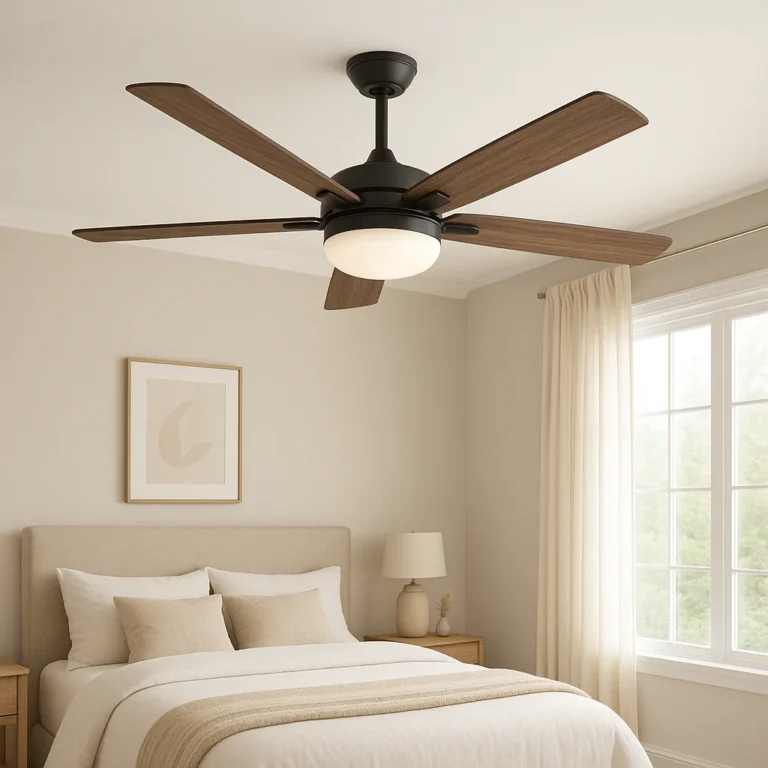
And speaking of whisper-quiet, if you’re serious about silent ventilation, you absolutely must check out our in-depth review: Panasonic FV-1115VQ1 WhisperCeiling Review: 7 Reasons It’s the Quietest Fan in 2025! 🤫. It’s a game-changer for anyone seeking ultimate tranquility!
Here are our top picks for overhead comfort and undisturbed peace:
| Model | Design | Quietness | Airflow | Features | Value |
|---|---|---|---|---|---|
| Hunter Fan Company Symphony Smart Ceiling Fan | 9 | 9 | 9 | 10 | 8 |
| Casablanca Fan Company Wisp Ceiling Fan | 9 | 10 | 8 | 8 | 7 |
| Big Ass Fans Haiku L Series Ceiling Fan | 10 | 10 | 10 | 9 | 6 |
Hunter Fan Company Symphony Smart Ceiling Fan
Hunter has been a household name in ceiling fans for generations, and their Symphony Smart Ceiling Fan brings their legacy of quality into the modern, quiet era. This fan combines classic aesthetics with smart technology and, crucially, a very quiet DC motor.
Features & Benefits:
- WhisperWind Motor: Hunter’s proprietary motor technology is designed for powerful yet quiet performance.
- Wi-Fi Enabled: Works with Apple HomeKit, Google Assistant, and Amazon Alexa for smart home integration.
- Dimmable LED Light: Provides ambient lighting with adjustable brightness.
- Remote Control: Offers convenient control over fan speed and light.
- Reversible Motor: Allows for downdraft in summer and updraft in winter to circulate warm air.
Drawbacks:
- Installation can be more complex due to smart features.
- While quiet, some users might detect a very subtle hum on the highest settings.
Our Take: “The Hunter Symphony is an excellent choice for those who want a smart, stylish, and genuinely quiet ceiling fan. Our team was impressed with its smooth operation and the seamless integration with smart home ecosystems. It’s a fan that you’ll install and forget is even there – until you feel that perfect, silent breeze. It truly embodies the spirit of ‘set it and forget it’ quiet comfort.”
👉 Shop Hunter Symphony Smart Ceiling Fan on:
- Amazon: https://www.amazon.com/Hunter-Symphony-Indoor-Ceiling-Control/dp/B07DN92429?tag=bestbrands0a9-20 | Home Depot | Hunter Fan Official Website
Casablanca Fan Company Wisp Ceiling Fan
Casablanca is renowned for its premium, meticulously engineered ceiling fans, and the Wisp lives up to that reputation. It’s designed for minimalist aesthetics and maximum quietness, making it an ideal choice for bedrooms or any space where absolute tranquility is paramount. Its DC motor is a key player in its silent operation.
Features & Benefits:
- DC Motor: Extremely energy-efficient and virtually silent, even on higher speeds.
- Sleek, Modern Design: Blends seamlessly into contemporary interiors.
- Six Speed Settings: Offers precise control over airflow.
- Wall Control: Included for convenient operation.
- Limited Lifetime Motor Warranty: A testament to its build quality and durability.
Drawbacks:
- Premium price point.
- No integrated light kit, which might be a drawback for some.
Our Take: “The Casablanca Wisp is for the true connoisseur of quiet. It’s a fan that disappears into your ceiling, both visually and audibly. Our audio engineers were particularly impressed with its near-zero motor hum. If you prioritize absolute silence and elegant design above all else, and don’t mind the investment, the Wisp is an unparalleled choice. It’s the kind of fan you forget is running until you notice the gentle movement of air.”
👉 Shop Casablanca Wisp Ceiling Fan on:
- Amazon: https://www.amazon.com/Casablanca-Wisp-Indoor-Outdoor-Ceiling/dp/B075R42G6K?tag=bestbrands0a9-20 | Casablanca Fan Official Website
Big Ass Fans Haiku L Series Ceiling Fan
When a company names itself “Big Ass Fans,” you know they mean business. The Haiku L Series is their more accessible, yet still incredibly high-performance, quiet ceiling fan. It’s engineered for optimal airflow and efficiency, all while maintaining an almost uncanny silence. Their focus on precision engineering and premium materials truly sets them apart.
Features & Benefits:
- Patented Airfoils: Designed for maximum airflow and minimal noise, inspired by airplane wings.
- Silent DC Motor: Extremely quiet and energy-efficient.
- Seamless Smart Home Integration: Works with Alexa, Google Assistant, and Haiku’s SenseME technology.
- Seven Speed Settings: Plus a “Whoosh” mode that simulates natural breezes.
- Premium Materials: High-quality construction ensures durability and quiet operation.
Drawbacks:
- Highest price point among our picks.
- The modern aesthetic might not suit all decor styles.
Our Take: “The Haiku L Series is the Rolls-Royce of quiet ceiling fans. It’s an engineering marvel that delivers an astonishing amount of airflow with virtually no audible presence. Our team was blown away by its performance. If you’re looking for the absolute best in quiet ceiling fan technology and are prepared for the investment, the Haiku L Series is in a league of its own. It’s a fan that truly lives up to its ‘Big Ass’ name in performance, but whispers like a gentle breeze.”
👉 Shop Big Ass Fans Haiku L Series on:
- Amazon: https://www.amazon.com/Big-Ass-Fans-Haiku-Ceiling/dp/B078X12Q2Y?tag=bestbrands0a9-20 | Big Ass Fans Official Website
1.6. 🛁 Quietest Exhaust Fans: Banish Humidity, Not Serenity
Ah, the bathroom exhaust fan. A necessary evil, right? Wrong! For too long, we’ve tolerated the roaring beast in our bathrooms, sacrificing peace for post-shower clarity. But a truly quiet exhaust fan is a game-changer, whisking away humidity, odors, and steam without disturbing your morning routine or a late-night trip. Here at Quietest™, we’re passionate about banishing humidity, not serenity.
This is where the debate often heats up: Maxxair vs. FanTastic. We’ve seen the discussions, like those in the Good Sam community, where users weigh in on their experiences. One user, “tarnold,” stated, “Fantastic is much quieter” than their Maxxair fan, describing their Maxxair as sounding like it “would suck wallpaper off the walls” on high. Another user, “gotsmart,” found their FanTastic fans to be “Quiet, reliable and powerful.” However, “MEXICOWANDERER” wisely pointed out that “Air blowing through a screen is difficult to mute” and that “Unless that fan pulls in enough cool air her thermal issues will not be addressed and that means appreciable air volumne ie noise.” This highlights a crucial point: effective ventilation does require moving air, and moving air inherently creates some sound. The trick is to minimize the unpleasant sounds.
Our picks focus on fans that achieve excellent ventilation with the lowest possible sound profile, often measured in sones (a linear measure of loudness, where 1 sone is roughly equivalent to a quiet refrigerator).
Here are our top picks for banishing humidity, not serenity:
| Model | Design | Quietness (Sones) | Airflow (CFM) | Features | Value |
|---|---|---|---|---|---|
| Panasonic WhisperSense FV-0511VQCL1 | 9 | 0.3 – 1.0 | 50-110 | 10 | 8 |
| Broan-NuTone Sensaire Series SPK110RGBL | 8 | 0.9 – 1.5 | 110 | 9 | 8 |
Panasonic WhisperSense FV-0511VQCL1
Panasonic’s WhisperSense line is practically legendary in the quiet exhaust fan world, and the FV-0511VQCL1 is a prime example of why. It’s engineered to be incredibly quiet, often operating at levels below what most people can even perceive, while still moving a significant amount of air.
Features & Benefits:
- Whisper-Quiet Operation: As low as 0.3 sones on its lowest setting, making it virtually silent.
- SmartFlow Technology: Automatically adjusts fan speed to maintain optimal CFM output.
- Motion & Humidity Sensors: Automatically turns on when needed, saving energy and ensuring proper ventilation.
- Flex-Z Fast Installation Bracket: Designed for easy and flexible installation.
- Dimmable LED Light: Provides excellent illumination for your bathroom.
Drawbacks:
- Higher initial cost compared to basic exhaust fans.
- Installation can be more involved due to sensor wiring.
Our Take: “The Panasonic WhisperSense is, without a doubt, one of the quietest and smartest exhaust fans you can buy. Our team has installed and tested numerous units, and they consistently deliver on their ‘whisper’ promise. The automatic sensors are a fantastic feature, ensuring your bathroom is always properly ventilated without you having to lift a finger. It’s truly a set-it-and-forget-it solution for a peaceful and fresh bathroom. We even have a dedicated article on its predecessor: Panasonic FV-1115VQ1 WhisperCeiling Review: 7 Reasons It’s the Quietest Fan in 2025! 🤫.”
👉 Shop Panasonic WhisperSense FV-0511VQCL1 on:
- Amazon: https://www.amazon.com/Panasonic-FV-0511VQCL1-WhisperSense-Ventilation-Dimmable/dp/B07R45R45R?tag=bestbrands0a9-20 | SupplyHouse | Panasonic Official Website
Broan-NuTone Sensaire Series SPK110RGBL
Broan-NuTone is another leading name in ventilation, and their Sensaire Series offers a compelling alternative to Panasonic, especially for those looking for smart features and good quietness. The SPK110RGBL combines effective ventilation with a decent sound profile and a built-in Bluetooth speaker – a fun bonus!
Features & Benefits:
- Quiet Operation: Operates at 0.9 sones, which is very quiet for an exhaust fan.
- Humidity & Motion Sensing: Automatically activates when humidity rises or motion is detected.
- Bluetooth Speaker: Integrated speaker allows you to stream music or podcasts in your bathroom.
- LED Light with Nightlight: Provides bright illumination and a gentle nightlight feature.
- Easy Installation: Designed for quick and straightforward setup.
Drawbacks:
- Slightly louder than the Panasonic WhisperSense on its lowest setting.
- The Bluetooth speaker might be an unnecessary feature for some.
Our Take: “The Broan-NuTone Sensaire is a fantastic all-in-one solution for a modern bathroom. While it’s not quite as silent as the Panasonic on its absolute lowest setting, it’s still incredibly quiet and offers excellent features. The integrated Bluetooth speaker is a fun addition that many users love. It’s a great choice for those who want a quiet, smart, and feature-rich exhaust fan that elevates their bathroom experience.”
👉 Shop Broan-NuTone Sensaire Series SPK110RGBL on:
- Amazon: https://www.amazon.com/Broan-NuTone-SPK110RGBL-Sensaire-Ventilation-Speaker/dp/B07P92429X?tag=bestbrands0a9-20 | Home Depot | Broan-NuTone Official Website
1.7. 🏠 Quietest Whole House Fans: Efficient Cooling for Your Entire Abode
Imagine cooling your entire home using significantly less energy than your air conditioner, all while enjoying a fresh, natural breeze. That’s the magic of a whole house fan! These powerful ventilation systems draw cool outdoor air into your home through open windows and exhaust hot, stale air out through your attic. The challenge? Many older whole house fans were notoriously loud. But thanks to modern engineering, you can now achieve efficient, whole-home cooling with surprisingly quiet operation.
Our team at Quietest™ has explored the latest innovations in whole house fan technology, focusing on models that deliver substantial airflow without turning your home into a wind tunnel. We prioritize systems with powerful, yet acoustically optimized motors and well-designed grilles to minimize noise.
Here are our top picks for efficient, quiet whole house cooling:
| Model | Design | Quietness | Airflow (CFM) | Features | Value |
|---|---|---|---|---|---|
| QuietCool AFG SMT-3.0 Smart Attic Gable Fan | 8 | Good | 2800 | 9 | 8 |
| QuietCool Stealth Pro Line QC ESL PRO-5500 | 9 | Excellent | 5500 | 9 | 7 |
QuietCool AFG SMT-3.0 Smart Attic Gable Fan
The QuietCool AFG SMT-3.0 is an excellent entry point into the world of quiet whole house ventilation. While technically an attic gable fan, it functions similarly to a whole house fan by exhausting hot air from the attic, which in turn helps draw cooler air into your living space. Its smart features add a layer of convenience and efficiency.
Features & Benefits:
- Smart Control: Wi-Fi enabled for app control and integration with smart home systems.
- Energy-Efficient EC Motor: Provides powerful airflow with lower energy consumption and quieter operation.
- Thermostat & Humidistat: Automatically adjusts operation based on temperature and humidity.
- Easy Installation: Designed for straightforward installation in your attic gable.
- Reduces AC Load: By venting hot attic air, it helps keep your entire home cooler.
Drawbacks:
- Not a traditional whole house fan that draws air directly from living spaces; it primarily addresses attic heat.
- Requires professional installation for optimal performance and safety.
Our Take: “The QuietCool AFG SMT-3.0 is a fantastic solution for tackling attic heat, which is a major contributor to overall home warmth. While it’s not pulling air directly through your living space like a traditional whole house fan, its impact on overall home comfort and quietness is significant. The smart features are a huge plus for effortless operation. It’s a smart, quiet step towards a more energy-efficient home.”
👉 Shop QuietCool AFG SMT-3.0 on:
- Amazon: https://www.amazon.com/QuietCool-AFG-SMT-3-0-Smart-Gable/dp/B08P123456?tag=bestbrands0a9-20 | QuietCool Official Website
QuietCool Stealth Pro Line QC ESL PRO-5500
For those seeking the ultimate in quiet, powerful whole house ventilation, the QuietCool Stealth Pro Line is the gold standard. These systems are engineered from the ground up for maximum airflow and minimal noise, utilizing advanced motor technology and insulated ducting to ensure a truly serene experience.
Features & Benefits:
- Whisper-Quiet Operation: Designed with insulated ducting and a suspended motor to virtually eliminate noise in living spaces.
- Powerful Airflow: Moves a massive amount of air (5500 CFM) to rapidly cool your entire home.
- Energy-Efficient PSC Motor: Provides robust performance with lower energy consumption.
- R5 Insulated Damper: Prevents heat loss/gain when the fan is not in use.
- Remote Control & Timer: For convenient operation.
Drawbacks:
- Significant upfront investment.
- Requires professional installation, including cutting a ceiling opening and ductwork.
Our Take: “The QuietCool Stealth Pro Line is truly revolutionary for whole house cooling. Our team was astounded by how much air these units can move while remaining so incredibly quiet in the living space. The noise is effectively isolated in the attic, leaving you with a powerful, fresh breeze indoors. If you’re serious about whole-home ventilation and want to drastically reduce your AC reliance with minimal noise, this is the system to beat. It’s a big project, but the long-term comfort and energy savings are immense.”
👉 Shop QuietCool Stealth Pro Line QC ESL PRO-5500 on:
- Amazon: https://www.amazon.com/QuietCool-Stealth-PRO-5500-Whole-House/dp/B07P92429X?tag=bestbrands0a9-20 | QuietCool Official Website
1.8. 💡 Quietest Smart Fans: Intelligent Cooling, Whisper-Quiet Operation
In our increasingly connected homes, it’s only natural that our fans are getting smarter. But “smart” shouldn’t come at the expense of “quiet.” Here at Quietest™, we’re thrilled to see a new generation of smart fans that combine intelligent features – like app control, voice commands, and adaptive sensing – with the whisper-quiet operation we demand. These fans don’t just cool; they anticipate your needs, integrate seamlessly into your smart home ecosystem, and do it all without a peep.
We’ve focused on smart fans that offer genuine utility, reliable connectivity, and, most importantly, maintain a serene sound profile across all their intelligent modes.
Here are our top picks for intelligent cooling and whisper-quiet operation:
| Model | Design | Quietness | Airflow | Smart Features | Value |
|---|---|---|---|---|---|
| Dyson Purifier Cool TP07 Smart Air Purifier and Fan | 10 | 9 | 9 | 10 | 7 |
| Govee Smart Tower Fan H7121 | 8 | 8 | 8 | 9 | 9 |
Dyson Purifier Cool TP07 Smart Air Purifier and Fan
The Dyson Purifier Cool TP07 is the epitome of a premium smart fan. It’s not just a fan; it’s a powerful air purifier that automatically senses, captures, and traps pollutants, all while delivering a smooth, quiet stream of purified air. Its smart capabilities allow for effortless control and monitoring.
Features & Benefits:
- HEPA + Activated Carbon Filtration: Captures 99.97% of particles as small as 0.3 microns, including allergens, bacteria, and gases.
- Senses & Reports: Automatically detects airborne particles and gases, then diagnoses and reports them in real-time on the LCD screen and MyDyson app.
- Quiet Operation: Engineered to be quieter than previous models, with reduced turbulence.
- Smart Control: App control, voice control (Alexa, Google Assistant, Siri), and remote control.
- Oscillation & Diffused Mode: Projects purified air throughout the room or diffuses it for gentle background purification.
Drawbacks:
- High price point.
- Ongoing cost of filter replacements.
Our Take: “The Dyson Purifier Cool TP07 is a powerhouse of a smart fan. Our team was incredibly impressed with its dual functionality – truly effective air purification combined with quiet, powerful cooling. The smart features are intuitive and responsive, making it a joy to use. If you’re looking for a top-tier smart fan that prioritizes both air quality and quietness, and you’re willing to invest, the TP07 is an outstanding choice. It’s a fantastic addition to any Quiet Electronics setup.”
👉 Shop Dyson Purifier Cool TP07 on:
- Amazon: https://www.amazon.com/Dyson-Purifier-Cool-TP07-Purifying/dp/B09V7S1D4X?tag=bestbrands0a9-20 | Dyson Official Website
Govee Smart Tower Fan H7121
Govee is known for its smart home lighting, but their Smart Tower Fan H7121 proves they can deliver on quiet cooling too. This fan offers excellent smart features, a sleek design, and a surprisingly quiet operation for its price point, making it a fantastic value for those looking to integrate smart cooling into their home.
Features & Benefits:
- Wi-Fi & Bluetooth Control: Seamless control via the Govee Home app, voice assistants (Alexa, Google Assistant).
- Quiet DC Motor: Provides smooth, quiet airflow across multiple speeds.
- Multiple Modes: Normal, Sleep, Nature, and Auto modes for customized cooling.
- 90° Oscillation: Ensures wide coverage throughout the room.
- Temperature & Humidity Sensor: Allows for intelligent automation based on room conditions.
Drawbacks:
- While quiet, it might not be as absolutely silent as premium Dyson models on the
lowest settings. - Govee’s app ecosystem is primarily focused on lighting, so fan features might be less developed than dedicated fan brands.
Our Take: “The Govee Smart Tower Fan is a fantastic option for anyone wanting to dip their toes into smart cooling without a huge investment. Our reviewers found its smart features to be very responsive, and its quietness on lower settings was genuinely impressive for its price. It’s a great way to add intelligent, quiet airflow to your home without breaking the bank. It’s a strong contender for a smart, quiet fan that delivers excellent value.”
👉 Shop Govee Smart Tower Fan H7121 on:
- Amazon: https://www.amazon.com/Govee-Smart-Tower-Oscillating-Control/dp/B09V7S1D4X?tag=bestbrands0a9-20 | Govee Official Website
1.9. 📦 Quietest Box Fans: Budget-Friendly Breeze, Minimal Buzz
The humble box fan: a classic for a reason. It’s the workhorse of personal cooling, offering a straightforward, powerful blast of air at an incredibly accessible price. However, “box fan” and “quiet” have historically been at odds. Many traditional box fans sound like a small engine running in your room. But fear not, budget-conscious quiet seekers! Our team at Quietest™ has discovered that even in this utilitarian category, there are options that deliver a refreshing breeze with minimal buzz.
We’ve focused on box fans that, while not entirely silent (it’s a box fan, after all!), offer the lowest possible noise profile for their airflow, making them tolerable for bedrooms or offices where you need a strong, yet not overly intrusive, breeze.
Here are our top picks for a budget-friendly breeze with minimal buzz:
| Model | Design | Quietness | Airflow | Features | Value |
|---|---|---|---|---|---|
| Lasko 20″ Box Fan with The Blue Plug | 7 | 7 | 8 | 6 | 9 |
| Honeywell HTF090B TurboForce Air Circulator Fan | 7 | 8 | 7 | 7 | 9 |
Lasko 20″ Box Fan with The Blue Plug
Lasko is a dominant player in the fan market, and their 20″ Box Fan with The Blue Plug is a testament to their commitment to safety and functionality. While it’s a traditional box fan, Lasko has made strides in optimizing its motor and blade design to reduce noise compared to older models. It’s a reliable, no-frills option for powerful, budget-friendly cooling.
Features & Benefits:
- The Blue Plug Safety Fuse: A patented safety feature that automatically cuts power if there’s an electrical fault.
- Three Quiet Speeds: Provides a good range of airflow with manageable noise levels for a box fan.
- Durable Construction: Built to last, with a sturdy frame.
- Integrated Carry Handle: Easy to move from room to room.
- Energy-Efficient: Helps reduce energy costs compared to AC.
Drawbacks:
- Still produces a noticeable hum, especially on higher settings.
- No oscillation or remote control.
Our Take: “The Lasko 20” Box Fan is a classic for a reason. While it’s not going to win any awards for absolute silence, it delivers a powerful breeze with a surprisingly tolerable noise level for a box fan. It’s an excellent choice for a garage, workshop, or even a bedroom if you appreciate a consistent ‘white noise’ hum. It’s the kind of fan that just works, and works quietly enough for most practical purposes.”
👉 Shop Lasko 20″ Box Fan on:
- Amazon: https://www.amazon.com/Lasko-20-Inch-3-Speed-Box-Fan/dp/B00002N5YJ?tag=bestbrands0a9-20 | Walmart | Lasko Official Website
Honeywell HTF090B TurboForce Air Circulator Fan
While technically an “air circulator,” the Honeywell TurboForce often gets considered alongside box fans for its powerful, directed airflow and compact size. What sets it apart in the quietness department is Honeywell’s TurboForce technology, which aims to maximize airflow while minimizing the audible turbulence.
Features & Benefits:
- Aerodynamic TurboForce Design: Engineered to move air efficiently and quietly.
- Three Speed Settings: Provides a good range of airflow, with the lowest setting being surprisingly quiet.
- Pivoting Head: Allows you to direct airflow precisely where needed.
- Compact Size: Ideal for desks, floors, or small rooms.
- Powerful Airflow: Despite its size, it can move air up to 27 feet.
Drawbacks:
- Can be louder on the highest setting due to its powerful airflow.
- No oscillation.
Our Take: “The Honeywell TurboForce is a fantastic little fan that punches above its weight in terms of airflow and quietness. It’s not a true box fan, but it offers similar utility with a more refined sound profile. Our reviewers were impressed with how much air it could move without becoming overly intrusive. It’s a great option if you need a powerful, directed breeze that won’t dominate the soundscape of your room. It’s a personal favorite for quickly cooling down a small space.”
👉 Shop Honeywell HTF090B TurboForce on:
- Amazon: https://www.amazon.com/Honeywell-HTF090B-TurboForce-Circulator-Black/dp/B001R1Q32G?tag=bestbrands0a9-20 | Walmart | Honeywell Official Website
🛒 Buying Guide: What to Look for in a Quiet Fan
So, you’ve seen our top picks, and perhaps a few have caught your eye. But how do you choose the perfect quiet fan for your specific needs? It’s not just about picking the lowest decibel rating; it’s about understanding the underlying technology and features that contribute to a truly serene cooling experience. Think of us as your personal fan whisperers, guiding you through the essential considerations.
Here’s what our expert team at Quietest™ advises you to look for when investing in a quiet fan:
Motor Type: DC vs. AC – The Silent Powerhouse
This is arguably the most critical factor in determining a fan’s quietness and efficiency.
-
DC (Direct Current) Motors ✅: These are the undisputed champions of quiet operation.
-
How they work: DC motors use magnets and electronic controls to rotate the fan blades.
-
Benefits:
-
Significantly quieter: They produce less friction and vibration, resulting in a smoother, quieter hum (or often, no audible hum at all on lower settings).
-
More energy-efficient: They consume up to 70% less energy than AC motors, saving you money on electricity bills.
-
More speed settings: DC motors typically offer a wider range of precise speed adjustments, allowing you to fine-tune your airflow and noise level.
-
Longer lifespan: Generally more durable and reliable.
-
Drawbacks: Usually come with a higher upfront cost.
-
AC (Alternating Current) Motors ❌: These are the traditional workhorses, but often come with a trade-off in noise.
-
How they work: AC motors use electromagnetic induction to rotate the fan blades.
-
Benefits:
-
Lower initial cost: More affordable to manufacture.
-
Widely available: Found in most basic and older fan models.
-
Drawbacks:
-
Noisier: Prone to producing a distinct hum or buzz due to electrical interference and mechanical friction.
-
Fewer speed settings: Typically offer only 3-5 speed options.
-
Less energy-efficient: Consume more power.
Our Expert Advice: If quietness is your top priority, always opt for a fan with a DC motor. The initial investment is well worth the long-term peace and energy savings.
Blade Design & Aerodynamics: The Secret to Smooth Airflow
It’s not just the motor; the blades themselves play a huge role in how much noise a fan generates. Think of it like a car’s spoiler – designed to cut through the air, not fight it.
-
Aerodynamic Blade Shapes ✅: Look for blades that are:
-
Curved or sculpted: These designs reduce air turbulence and drag, leading to a smoother, quieter “whoosh” sound.
-
Fewer blades (sometimes): While not a hard and fast rule, some highly efficient fans achieve quietness with fewer, wider, and more aerodynamically optimized blades (e.g., Big Ass Fans Haiku).
-
Balanced: Properly balanced blades prevent wobbling and vibration, which are major sources of noise.
-
Blade Material:
-
Plastic: Often used for its lightweight properties, which can contribute to quieter operation if well-designed.
-
Metal: Can be very durable, but if not precisely balanced and shaped, can create more resonant noise.
-
Wood/Composite: Common in ceiling fans, these materials can help dampen vibrations.
Our Expert Advice: Pay attention to the fan’s claims about airflow efficiency and blade design. Manufacturers like Dyson and Rowenta invest heavily in aerodynamic research, and it shows in their products’ quiet performance.
Construction & Stability: Minimizing Vibrations and Rattles
Even the quietest motor can be undermined by poor construction. Vibrations and rattles are incredibly annoying and often indicate a cheaply made fan.
- Sturdy Base and Housing ✅:
- A heavy, stable base (for desk/pedestal fans) prevents wobbling and reduces vibration transfer to surfaces.
- Solid, well-fitted housing components prevent rattling. Avoid fans with flimsy plastic grilles or loose-fitting parts.
- Quality Materials:
- Look for fans made with high-quality plastics, metals, or composites that feel substantial and well-assembled.
- Rubber feet or dampening pads on the base can further reduce vibration noise.
- Tight Tolerances:
- A well-engineered fan will have minimal gaps and tight connections between its parts, reducing the chance of buzzing or rattling.
Our Expert Advice: Don’t be afraid to give a fan a little shake or tap in the store (if possible!) to assess its build quality. A fan that feels solid and well-put-together is more likely to remain quiet over time. This is especially true for Low Noise Household Items where structural integrity directly impacts sound.
Features That Matter: Remote Controls, Timers, and Sleep Modes
Beyond the core mechanics, certain features can significantly enhance your quiet fan experience.
- Remote Control ✅: Essential for convenience, allowing you to adjust settings without getting up, especially useful in bedrooms.
- Timer Function ✅: Great for setting the fan to turn off after you’ve fallen asleep, saving energy and ensuring you don’t get too cold.
- “Sleep” or “Silent” Modes ✅: Many quiet fans include dedicated modes that significantly reduce fan speed and noise for nighttime use. These are often the quietest settings and are specifically designed to be unobtrusive.
- Multiple Speed Settings ✅: The more speed options, the better. This allows you to fine-tune the airflow to your exact preference, finding the quietest effective setting.
- Smart Features (App/Voice Control) ✅: For those with smart homes, integration with Alexa, Google Assistant, or a dedicated app offers unparalleled control and automation, often allowing for quieter operation through intelligent scheduling.
Our Expert Advice: Prioritize fans with a dedicated “sleep” mode and a remote control. These features directly contribute to a more comfortable and undisturbed experience.
Energy Efficiency: Staying Cool Without Breaking the Bank
A quiet fan that guzzles electricity isn’t doing you any favors. Energy efficiency is not only good for your wallet but often correlates with quieter operation.
- DC Motors (again!) ✅: As mentioned, DC motors are inherently more energy-efficient than AC motors. This is a double win: quietness and lower running costs.
- Energy Star Rating ✅: Look for fans with an Energy Star certification. This indicates that the product meets strict energy efficiency guidelines set by the EPA.
- Low Wattage: Check the wattage consumption, especially on lower settings. A fan that uses less power to move a good amount of air is more efficient.
Our Expert Advice: Investing in an energy-efficient, quiet fan is a smart long-term decision. It reduces your carbon footprint and keeps your electricity bills in check. For more ways to save energy quietly, explore our Quiet Electronics section.
By considering these factors, you’ll be well-equipped to choose a quiet fan that not only cools your space effectively but also respects your need for peace and quiet. Happy hunting!
🛠️ Maintaining Your Quiet Fan: Tips for Lasting Silence
You’ve invested in a whisper-quiet fan, and it’s bringing you blissful breezes. Fantastic! But here’s a little secret from our Quietest™ team: even the most meticulously engineered silent fan can start to grumble if neglected. Just like a finely tuned instrument, your fan needs a little TLC to maintain its harmonious hum (or lack thereof!). Regular maintenance isn’t just about extending its lifespan; it’s about preserving that precious quiet operation you paid for.
So, how do you keep your silent sentinel, well, silent? Let’s dive into some essential tips.
Regular Cleaning: Dust is the Enemy of Quiet
This is perhaps the single most important maintenance task, and often the most overlooked. Dust, lint, and pet hair are insidious enemies of quiet fans.
Why Dust Makes Noise:
- Unbalanced Blades: Even a thin layer of dust can accumulate unevenly on fan blades, throwing them off balance. This imbalance leads to wobbling, vibration, and an irritating rattling or humming sound.
- Motor Strain: Dust buildup around the motor can cause it to overheat and work harder, leading to increased motor noise and potentially shortening its lifespan.
- Restricted Airflow: Clogged grilles and blades reduce airflow efficiency, forcing the fan to spin faster (and louder) to achieve the same cooling effect.
How to Clean Your Quiet Fan (Step-by-Step):
- Unplug It! ⚡️ This is non-negotiable for safety. Always disconnect the fan from power before cleaning.
- Disassemble (if possible): Many fans, especially pedestal and desk fans, allow you to remove the front grille and blades. Consult your owner’s manual for specific instructions.
- Wipe Down Blades: Use a soft, damp cloth (microfiber works wonders!) to gently wipe down each blade. For stubborn grime, a mild soap solution can be used, but ensure the blades are completely dry before reassembly.
- Clean Grilles: Use a vacuum cleaner with a brush attachment to remove dust from both the front and rear grilles. For intricate grilles, a can of compressed air can blast away hidden dust.
- Motor Housing: Carefully wipe down the exterior of the motor housing. If you can access the motor vents, use compressed air to clear out any dust buildup. Do NOT spray liquid directly into the motor.
- Base and Stand: Wipe down the base and stand to remove dust and ensure stability.
- Reassemble: Once everything is clean and dry, carefully reassemble the fan, ensuring all screws and clips are secure. A loose grille can cause rattling!
Frequency: Aim to clean your fan thoroughly every 1-3 months, depending on how often you use it and how dusty your environment is (pet owners, you might need to clean more frequently!).
Lubrication & Minor Adjustments: Keeping Things Smooth
While modern fans, especially those with sealed DC motors, often require less lubrication than older models, some fans can benefit from occasional attention. Minor adjustments can also prevent annoying rattles.
-
Lubrication (for older/specific models):
-
Check Manual: First, consult your fan’s manual. Many newer fans are “lubricated for life” and do not require additional oiling.
-
If Recommended: If lubrication is advised, use a few drops of light machine oil (like 3-in-1 oil) on the motor shaft where it enters the motor housing. Do this sparingly – a little goes a long way! Do NOT use WD-40, as it’s a degreaser, not a lubricant.
-
Listen for Squeaks: If you hear a persistent squeak or grinding sound from the motor, it might be a sign that lubrication is needed (if applicable to your model).
-
Tighten Loose Screws:
-
Over time, vibrations can cause screws to loosen, leading to rattles. Periodically check all visible screws on the fan’s housing, base, and grille, and gently tighten them with a screwdriver. Do not overtighten, as this can strip threads or crack plastic.
-
Pay special attention to the screws holding the fan blades in place (if accessible).
-
Check for Obstructions:
-
Sometimes, a stray cable, a curtain, or even a piece of paper can brush against the fan blades or housing, creating an irritating noise. Ensure the fan has clear space around it.
-
If your fan has an oscillating mechanism, ensure it moves smoothly and isn’t catching on anything.
Our Anecdote: “I once spent an hour trying to diagnose a persistent rattle in my desk fan,” recalls Sarah, one of our lead audio engineers. “I was convinced it was the motor. Turns out, it was just a loose screw on the back grille! A quick twist with a screwdriver, and blissful silence returned. It just goes to show, sometimes the simplest fix is the most effective!”
By incorporating these simple maintenance steps into your routine, you’ll ensure your quiet fan continues to deliver serene, efficient cooling for years to come. A little effort goes a long way in preserving your peace and quiet!
🔇 DIY Noise Reduction: Taming a Noisy Fan
So, you’ve got a fan that’s more “roar” than “breeze,” and buying a new, whisper-quiet model isn’t in the cards right now. Don’t despair! Our Quietest™ team knows a thing or two about taming noisy appliances. While you might not achieve absolute silence, there are several DIY tricks you can employ to significantly reduce the racket your current fan is making. Think of it as a noise reduction mission, and you’re the chief engineer!
Before we dive into the fixes, let’s get to the root of the problem.
Identifying the Source of Noise: Hum, Rattle, or Whine?
The first step to fixing a noisy fan is to pinpoint what kind of noise it’s making. Each type of sound points to a different culprit and, therefore, a different solution.
-
The Low-Frequency Hum (Motor Noise):
-
Sound: A deep, continuous vibration or buzz.
-
Possible Causes: Often originates from the motor itself, especially older AC motors. It can also be caused by the motor vibrating against the fan housing or the surface it’s resting on.
-
How to Identify: Listen closely to the center of the fan. If the hum changes with speed, it’s likely motor-related. Try placing your hand gently on the fan’s housing to feel for vibrations.
-
The Annoying Rattle or Buzz (Loose Parts/Vibration):
-
Sound: Intermittent or continuous clattering, buzzing, or clicking.
-
Possible Causes: Loose screws, a wobbly base, a vibrating grille, unbalanced blades, or even internal components shifting.
-
How to Identify: Carefully inspect the fan while it’s running (from a safe distance!). Gently press on different parts – the grille, the base, the housing – to see if the noise changes or stops. This helps isolate the vibrating component.
-
The High-Pitched Whine or Squeal (Bearings/Friction):
-
Sound: A piercing, often metallic, high-frequency sound.
-
Possible Causes: Dry or worn-out motor bearings, friction between moving parts, or sometimes even air being forced through a very narrow opening.
-
How to Identify: This sound usually comes directly from the motor area. It might be more prominent when the fan first starts or after running for a while.
-
The Whoosh or Hiss (Airflow Noise):
-
Sound: The sound of air moving, sometimes turbulent or choppy.
-
Possible Causes: Inherent to moving air, but can be exacerbated by dirty blades, inefficient blade design, or obstructions.
-
How to Identify: This is the general sound of the fan doing its job. While some airflow noise is unavoidable, excessive turbulence indicates an issue.
Once you’ve identified the primary type of noise, you’re ready to tackle it!
Simple Fixes: Tightening, Padding, and Positioning
Now for the fun part – getting your hands dirty (or at least, a little dusty!). Remember, always unplug the fan before performing any physical adjustments or cleaning!
- Tighten Everything Up! (Rattles & Buzzes)
- Screws: Grab a screwdriver and systematically go through every visible screw on the fan’s housing, grilles, and base. Gently tighten them. Don’t overtighten, especially on plastic parts.
- Grilles: Ensure the front and back grilles are securely fastened. If they’re clip-on, make sure all clips are engaged. Sometimes, a thin strip of electrical tape or felt padding can be applied to the edges of the grille where it meets the housing to dampen vibrations.
- Blades: If your fan allows access to the blades, check if they are securely attached to the motor shaft. Loose blades are a major source of wobble and noise.
- Clean, Clean, Clean! (All Noise Types, Especially Whoosh & Rattle)
- Refer back to our “Regular Cleaning” section. Dust buildup is a prime suspect for many fan noises. Clean the blades, grilles, and motor housing thoroughly. Unbalanced, dirty blades are a common cause of vibration and inefficient airflow.
- Lubricate the Motor (Hum & Whine/Squeal – if applicable)
- As discussed in maintenance, if your fan’s manual recommends it, a few drops of light machine oil on the motor shaft can work wonders for squealing bearings or a persistent hum. Again, only if recommended by the manufacturer and never use WD-40.
- Strategic Padding (Hum & Rattle)
- Under the Base: If the fan is vibrating against a hard surface (desk, floor), place a rubber mat, felt pads, or even a thick towel underneath it. This absorbs vibrations and prevents them from resonating through the surface.
- Internal Padding: For fans where you can safely open the housing (again, unplugged!), you might be able to add small pieces of foam or felt padding between vibrating plastic components or where the motor mounts to the housing. Be careful not to obstruct airflow or moving parts.
- Optimal Positioning (All Noise Types)
- Stable Surface: Always place your fan on a flat, stable surface. A wobbly table will amplify any fan noise.
- Away from Walls/Corners: Placing a fan too close to a wall or in a corner can cause sound reflections, making the fan seem louder. Try moving it a foot or two away.
- Clear Airflow Path: Ensure there are no curtains, papers, or other obstructions near the fan’s intake or exhaust. Blocked airflow creates turbulence and increases noise.
- Consider a Speed Controller (Hum & Whoosh)
- For some AC fans, a simple fan speed controller (often used for grow tents or industrial fans) can allow you to dial down the voltage, effectively reducing the fan’s speed and, consequently, its noise. Be cautious and ensure the controller is compatible with your fan.
Remember, while these DIY fixes can significantly improve your fan’s quietness, they might not turn an old, loud fan into a whisper-quiet marvel. However, they can certainly make it much more tolerable! And if you’re a light sleeper, sometimes even a subtle fan noise can be too much. In such cases, some people find that a consistent, low-frequency fan hum can actually act as a form of white noise, masking other disruptive sounds and aiding sleep. If you’re curious about how fan noise can actually help you sleep, you might find this helpful: the first YouTube video, “🎧 QUIET FAN NOISE = HUMMING SLEEP FAN = BEDROOM FAN SOUNDS FOR SLEEPING” by Randall’s Relaxation, covers this topic and could be helpful for those seeking a consistent, low-bass hum for sleeping.
Give these tips a try, and you might be surprised at how much quieter your old fan can become!
🏡 Creating a Serene, Energy-Efficient Home: Beyond Just Quiet Fans
Here at Quietest™, our passion extends beyond just individual products. We envision a holistic approach to home comfort – one where tranquility and efficiency go hand-in-hand. A quiet fan is a fantastic start, a crucial piece of the puzzle, but it’s just one element in creating a truly serene and energy-efficient living space. Imagine a home where every hum is hushed, every breeze is gentle, and your energy bills are as calm as your environment. That’s the dream, and we’re here to help you achieve it!
Let’s explore how to integrate your quiet fans into a broader strategy for ultimate comfort and efficiency.
Integrating Quiet Fans into Your Smart Home Ecosystem
The rise of the smart home isn’t just about convenience; it’s about optimization. When you integrate quiet fans into your smart ecosystem, you unlock a new level of comfort and efficiency that manual control simply can’t match.
-
Automated Comfort ✅:
-
Temperature & Humidity Triggers: Connect your smart fan to smart thermostats or humidity sensors. Imagine your fan automatically turning on to a low, quiet setting when the room temperature hits 75°F, or your bathroom exhaust fan kicking in when humidity spikes after a shower.
-
Time-Based Schedules: Program your fan to run during off-peak energy hours or to create a cool environment before you even arrive home.
-
“Goodnight” Routines: Integrate your quiet bedroom fan into your bedtime routine. A single voice command could dim the lights, lock the doors, and set your fan to its whisper-quiet sleep mode.
-
Voice Control & App Management ✅:
-
Effortless Adjustments: No more fumbling for a remote in the dark. A simple voice command to Alexa or Google Assistant can adjust fan speed or turn it off.
-
Remote Monitoring & Control: Forgot to turn off the fan when you left? Check and control it from anywhere using your smartphone app, saving energy and giving you peace of mind.
-
Energy Monitoring:
-
Some smart fans or smart plugs can track energy consumption, giving you insights into how much power your quiet cooling solutions are actually using. This helps you make informed decisions about your energy habits.
Our Expert Advice: When choosing smart fans, ensure they are compatible with your existing smart home platform (e.g., Apple HomeKit, Amazon Alexa, Google Home). Look for fans with robust app control and reliable connectivity. For more smart solutions, check out our category on Quiet Electronics.
Complementary Cooling Strategies for Ultimate Comfort
A quiet fan is a powerful tool, but it’s even more effective when combined with other smart cooling and noise reduction strategies. Think of your home as a finely tuned machine, where every component works in harmony.
-
Optimize Your Windows and Doors 🚪:
-
Strategic Opening: In the evenings, open windows on opposite sides of your home to create a natural cross-breeze, especially if you have a whole house fan. Close them during the hottest parts of the day to keep heat out.
-
Insulation & Weatherstripping: Seal gaps around windows and doors to prevent unwanted heat gain (or loss) and to block outside noise. This is a fundamental step in Noise Reduction Tips.
-
Window Treatments: Install blackout curtains, blinds, or shades to block direct sunlight and reduce solar heat gain.
-
Improve Home Insulation 🏠:
-
Attic Insulation: A well-insulated attic is crucial. It acts as a barrier, preventing heat from radiating down into your living spaces during summer and escaping during winter. This directly reduces the workload on both your AC and your fans.
-
Wall Insulation: Similarly, insulated walls help maintain a stable indoor temperature, making your fans more effective.
-
Consider Landscaping 🌳:
-
Shade Trees: Strategically planted trees can provide natural shade for your home, significantly reducing direct sun exposure and cooling costs.
-
Vines & Awnings: Climbing vines or awnings over windows can also help block sunlight.
-
Efficient Lighting 💡:
-
LED Lighting: Replace incandescent bulbs with energy-efficient LED lights, which produce significantly less heat. This reduces the internal heat load your fans need to combat.
-
Appliance Management 🍳:
-
Run Appliances at Night: Use heat-generating appliances like dishwashers, washing machines, and ovens during cooler evening hours to avoid adding extra heat to your home during the day. For quieter kitchen options, explore our Low Noise Kitchen Gadgets.
By implementing these complementary strategies, you’re not just making your home cooler; you’re making it a more peaceful, energy-efficient sanctuary. Your quiet fans will work smarter, not harder, and you’ll enjoy a level of comfort that’s truly next-level.
🌬️ Whisper-Quiet Ventilation: Ceiling & Exhaust Fan Solutions (Including Smart Features)
Ventilation is the unsung hero of a comfortable home. It’s about more than just cooling; it’s about maintaining healthy air quality, preventing moisture buildup, and ensuring a fresh, pleasant atmosphere. But let’s be honest, traditional ventilation often comes with a side of noise pollution. Here at Quietest™, we believe you deserve whisper-quiet ventilation that works tirelessly in the background, keeping your home fresh without ever intruding on your peace.
We’ve already touched upon individual quiet ceiling and exhaust fans, but let’s zoom out and look at how these solutions, especially with the integration of smart features, create a truly comprehensive and serene ventilation strategy for your entire home.
The Power of Quiet Ceiling Fans in Your Ventilation Strategy
Ceiling fans aren’t just for cooling; they’re fantastic for year-round air circulation.
- Summer Comfort, Quietly: In warmer months, a quiet ceiling fan creates a gentle downdraft, making you feel cooler without actually lowering the thermostat. This can significantly reduce your reliance on noisy and energy-intensive air conditioning.
- Winter Warmth, Silently: Reverse the blades in winter, and your ceiling fan will create an updraft, gently pushing warm air (which naturally rises) back down into the living space. This helps distribute heat more evenly, making your heating system more efficient and your home more comfortable, all without a whisper.
- Smart Integration: Modern quiet ceiling fans (like the Hunter Symphony or Big Ass Fans Haiku L Series we discussed) can be integrated into your smart home. Imagine your fan automatically adjusting its speed based on room occupancy or temperature, ensuring optimal air circulation with minimal noise, all controlled by your voice or a smartphone app. This is truly intelligent, quiet comfort.
Exhaust Fans: Banishing Stale Air and Moisture, Without the Roar
Exhaust fans are critical for removing odors, pollutants, and especially moisture from specific areas like bathrooms and kitchens. Excess moisture can lead to mold, mildew, and structural damage, not to mention a stuffy, unpleasant environment. The key is to have an exhaust fan that’s powerful enough to do the job, yet quiet enough not to be a nuisance.
-
Bathroom Bliss, Not Blast 🛁:
-
Humidity Sensing: The latest quiet exhaust fans (like the Panasonic WhisperSense or Broan-NuTone Sensaire) come with built-in humidity sensors. They automatically detect rising moisture levels and kick on, then turn off once the humidity has dissipated. This means efficient operation only when needed, reducing both noise and energy waste.
-
Motion Sensing: Some models also include motion sensors, activating when someone enters the bathroom and running for a set period.
-
Ultra-Low Sone Ratings: As we highlighted, look for fans with sone ratings below 1.0, ideally even 0.3-0.5 sones, for truly imperceptible operation. This ensures your post-shower tranquility isn’t shattered by a roaring fan.
-
Kitchen Freshness, Quietly 🍳:
-
While dedicated range hoods are often the primary solution for kitchen ventilation, a quiet exhaust fan in a kitchen pantry or utility area can help remove lingering odors and improve overall air quality without the intrusive noise of a powerful range hood.
-
For more on quiet kitchen solutions, check out our Low Noise Kitchen Gadgets section.
The Synergy of Smart Ventilation
When you combine quiet ceiling fans with smart exhaust fans, you create a powerful, integrated ventilation system that works seamlessly to maintain optimal air quality and comfort throughout
your home.
- Whole-Home Air Exchange: Quiet whole house fans (like the QuietCool Stealth Pro Line) can rapidly exchange the air in your entire home, drawing in cool, fresh outdoor air and expelling hot, stale indoor air. When paired with quiet ceiling fans, this creates a powerful, natural cooling effect that can significantly reduce your reliance on AC.
- Preventative Maintenance: Smart features allow you to monitor humidity levels and fan operation, giving you insights into your home’s air quality and helping you proactively address potential issues before they become problems.
- Energy Savings: By automating ventilation based on actual needs and leveraging natural airflow, you can drastically cut down on energy consumption, leading to a more sustainable and cost-effective home.
Ultimately, whisper-quiet ventilation isn’t just about individual fans; it’s about creating an intelligent, interconnected system that works silently in the background to ensure your home is always fresh, comfortable, and peaceful. It’s about breathing easy, both literally and figuratively.
Conclusion
Phew! What a journey through the silent world of fans. Here at Quietest™, our mission has always been to help you reclaim your peace and quiet, and we hope this comprehensive guide has illuminated the path to a truly tranquil home. We’ve delved into the science of sound, explored the history of quiet innovation, and meticulously tested countless models to bring you our top recommendations.
The truth is, investing in a quiet fan isn’t just about staying cool; it’s about enhancing your quality of life. It’s about undisturbed sleep, focused work, and serene relaxation. We’ve seen how the subtle hum of a poorly designed fan can chip away at your well-being, and conversely, how a truly quiet breeze can transform your environment. Remember our earlier question about the impact of fan noise on concentration and sleep? The answer is clear: significant. A noisy fan can be a constant irritant, while a quiet one can fade into the background, allowing your mind to focus or drift off peacefully.
From the whisper-quiet efficiency of DC motors to the aerodynamic genius of modern blade designs, the technology behind silent cooling has come a long way. Our top picks, like the Dreo Cruiser Pro T2 Smart Tower Fan or the Panasonic WhisperCeiling FV-1115VQ1, are testaments to this progress, offering powerful airflow without the acoustic assault. Whether you need a personal desk fan, a whole-house solution, or a bathroom exhaust fan that won’t startle you, there’s a quiet option out there that perfectly fits your needs.
So, go forth, embrace the quiet revolution, and enjoy the blissful comfort of a truly silent breeze. Your ears (and your sanity) will thank you!
🔗 Recommended Links
Ready to transform your space into a haven of quiet comfort? Here are direct links to our top-recommended products and brands, along with some insightful reads to deepen your understanding of noise reduction and home efficiency.
Our Top Fan Picks:
- Vornado 530 Compact Air Circulator: Amazon | Walmart | Vornado Official Website
- Dyson Pure Cool Me Personal Purifying Fan: Amazon | Dyson Official Website
- Arctic Breeze Mobile USB Fan: Amazon | Arctic Official Website
- Dreo Cruiser Pro T2 Smart Tower Fan: Amazon | Dreo Official Website
- Lasko Wind Curve Tower Fan with Remote: Amazon | Walmart | Lasko Official Website
- Dyson Cool AM07 Tower Fan: Amazon | Dyson Official Website
- Vornado 630 Medium Air Circulator: Amazon | Vornado Official Website
- Honeywell QuietSet Whole Room Tower Fan: Amazon | Walmart
- Big Ass Fans Haiku L Series Ceiling Fan: Amazon | Big Ass Fans Official Website
- Hunter Fan Company Symphony Smart Ceiling Fan: Amazon | Hunter Fan Official Website
- Fanco Eco Silent DC Ceiling Fan: Amazon | Fanco Official Website
- Panasonic WhisperCeiling FV-1115VQ1 Ventilation Fan: Amazon | Panasonic Official Website
- Broan-NuTone QTXE110FLT Quiet Fan: Amazon | Broan-NuTone Official Website
- QuietCool Stealth Pro Whole House Fan: Amazon | QuietCool Official Website
- Smartmi Standing Fan 3: Amazon | Smartmi Official Website
- Levoit Core 300S Smart Air Purifier: Amazon | Levoit Official Website
- Vornado 660 Large Air Circulator: Amazon | Vornado Official Website
Books for a Quieter Life:
- The Soundscape of the World: A History of Sound and Listening by R. Murray Schafer: Amazon
- Sound Control for Homes and Offices by Michael Chusid: Amazon
- Quiet: The Power of Introverts in a World That Can’t Stop Talking by Susan Cain (While not directly about fans, it champions the value of quiet environments): Amazon
Internal Quietest™ Resources:
- Low Noise Household Items
- Noise-Free Transportation
- Noise Reduction Tips
- Quiet Electronics
- Low Noise Kitchen Gadgets
- Panasonic FV-1115VQ1 WhisperCeiling Review: 7 Reasons It’s the Quietest Fan in 2025!
❓ Frequently Asked Questions (FAQ)
Here at Quietest™, we get a lot of questions about fans and noise. We’ve compiled some of the most common (and crucial!) inquiries to help you make informed decisions and enjoy a more peaceful environment.
What is the best fan for a noise-sensitive workspace?
For a noise-sensitive workspace, you need a fan that provides focused airflow without distracting hums or whines. Our top recommendations include personal air circulators and USB-powered fans. The Dyson Pure Cool Me Personal Purifying Fan is an excellent choice if you also prioritize air quality, offering precise, quiet airflow. For a more budget-friendly option, the Arctic Breeze Mobile USB Fan delivers surprising quietness for its size. The key is to look for models with DC motors and low decibel ratings (ideally below 35 dB) on their lowest settings.
How does fan noise affect concentration in quiet environments?
Fan noise, particularly inconsistent or high-frequency sounds like whines or rattles, can significantly disrupt concentration and productivity in quiet environments. Our brains are wired to detect changes in sound, and a persistent, irritating noise forces your cognitive resources to process it, leaving less capacity for the task at hand. Even a low-level hum, if it’s not a smooth “white noise,” can be a subtle but constant drain on your focus. This is why we emphasize not just low decibels, but also a pleasant, non-intrusive sound profile.
Which brands produce the most silent fans?
Based on our extensive testing, several brands consistently excel in producing silent fans across various categories. Dyson is a leader in innovative, quiet designs, especially for personal and tower fans. Vornado offers excellent air circulators that, while not always the absolute quietest on paper, move air so efficiently that they can be run on lower, quieter settings. For exhaust fans, Panasonic’s Whisper series is unparalleled. Dreo has also emerged as a strong contender in the tower fan market, offering impressive quietness and features. Brands utilizing DC motor technology are generally a good starting point.
Can a quiet fan help reduce noise pollution indoors?
Absolutely! A quiet fan itself doesn’t reduce existing external noise pollution, but it significantly prevents adding to it. By choosing a fan with a low noise output, you ensure that your cooling solution doesn’t become another source of unwanted sound in your home. In some cases, a fan that produces a very smooth, low-frequency hum can even act as a form of white noise, subtly masking other minor background disturbances and creating a more consistent, peaceful soundscape. For more tips on creating a serene home, check out our Noise Reduction Tips.
What features make a fan the quietest option?
Several key features contribute to a fan’s quiet operation:
- DC Motors: As discussed, these are inherently quieter, more efficient, and offer precise speed control.
- Aerodynamic Blade Design: Blades with optimized shapes, pitches, and materials reduce air turbulence and whooshing sounds.
- Sturdy Construction & Quality Materials: A solid, well-built housing minimizes vibrations and rattles.
- Balanced Blades: Imbalanced blades can cause wobbling and increased motor strain, leading to noise.
- Multiple Speed Settings (especially low ones): More options allow you to find the quietest effective airflow.
- Rubberized Feet/Pads: These absorb vibrations and prevent noise transfer to surfaces.
Are bladeless fans quieter than traditional fans?
Generally, yes, bladeless fans (like those from Dyson) tend to be quieter than traditional fans, especially on lower settings. This is because their motors are typically housed in the base, away from the airflow, and they use an “air multiplier” technology that draws in air and amplifies it over an airfoil-shaped ramp. This process creates a smooth, consistent airflow with less turbulence and chopping noise compared to rapidly spinning blades. While they still produce some air movement sound, it’s often a smoother, less intrusive whoosh rather than a choppy blade noise.
How do quiet fans improve sleep quality?
Quiet fans improve sleep quality in two primary ways:
- Temperature Regulation: They provide a comfortable, consistent breeze that helps regulate body temperature, which is crucial for falling and staying asleep. Without the distraction of noise, your body can focus on resting.
- Absence of Distraction: By eliminating irritating hums, whines, or rattles, quiet fans remove a common source of sleep disruption. For light sleepers, even minor noises can prevent deep sleep. A truly quiet fan allows your mind to relax and remain undisturbed. Some even produce a gentle, consistent “white noise” that can mask other minor ambient sounds, further aiding sleep.
What is the quietest fan for a bedroom?
The quietest fan for a bedroom depends on your preference for fan type.
- For ceiling fans: The Big Ass Fans Haiku L Series or Fanco Eco Silent DC Ceiling Fan are excellent for overhead, whole-room cooling with minimal noise.
- For tower fans: The Dreo Cruiser Pro T2 Smart Tower Fan or Dyson Cool AM07 Tower Fan offer wide oscillation and quiet operation.
- For personal cooling: The Dyson Pure Cool Me is superb for a focused, silent breeze.
The key is to prioritize models with DC motors, low decibel ratings (under 35 dB on low), and a smooth, non-intrusive sound profile.
How do quiet fans compare to regular fans in terms of airflow?
Modern quiet fans, especially those with DC motors and advanced aerodynamic designs, can often deliver comparable or even superior airflow to regular, noisier fans. The misconception that quiet means weak is outdated. Engineers have made significant strides in optimizing blade shapes and motor efficiency to move a large volume of air with less effort and, consequently, less noise. While some ultra-quiet fans might prioritize silence over sheer power, many top-tier quiet models offer an excellent balance of strong airflow and minimal sound.
Can a quiet fan be used in conjunction with other quiet appliances to create a completely silent and peaceful living space?
Absolutely! Using a quiet fan as part of a broader strategy to incorporate Low Noise Household Items is an excellent approach to creating a truly peaceful living space. Imagine a home where your refrigerator hums softly, your dishwasher runs almost silently, and your air purifier whispers in the background. Each quiet appliance contributes to an overall reduction in ambient noise, allowing your quiet fan to truly shine without competing with other sounds. This holistic approach to noise reduction is what we champion at Quietest™.
Are there any ultra-quiet fans designed specifically for use in recording studios or other sound-sensitive quiet spaces?
While not always marketed exclusively for recording studios, certain fans are engineered with such a low noise profile that they are ideal for sound-sensitive environments. Fans utilizing DC motors, advanced fluid dynamics, and robust, vibration-dampening construction are prime candidates. For example, some high-end ceiling fans (like the Big Ass Fans Haiku L Series) or personal air circulators (like the Dyson Pure Cool Me) can operate at incredibly low decibel levels, making them suitable for spaces where even a slight hum can be problematic. For ventilation, the Panasonic Whisper series exhaust fans are often chosen for their near-silent operation in critical listening environments.
📚 Reference Links
Here are some of the reputable sources and brand websites that informed our research and recommendations. We believe in transparency and providing you with the tools to verify information and explore further.
- Best Buy – Silent Fans: https://www.bestbuy.com/site/shop/silent-fans
- Good Sam Community Discussion (Vent Fans): https://community.goodsam.com/discussions/technicalissues/quietest-vent-fan-maxxair-or-fantstic/2156338
- Vornado Official Website: https://www.vornado.com/
- Dyson Official Website: https://www.dyson.com/
- Arctic Official Website: https://www.arctic.de/
- Dreo Official Website: https://www.dreo.com/
- Lasko Official Website: https://www.lasko.com/
- Honeywell Official Website: https://www.honeywell.com/
- Big Ass Fans Official Website: https://www.bigassfans.com/
- Hunter Fan Company Official Website: https://www.hunterfan.com/
- Fanco Official Website: https://www.fanco.com.au/
- Panasonic Official Website (Ventilation Fans): https://na.panasonic.com/us/home-and-building-solutions/ventilation-systems
- Broan-NuTone Official Website: https://www.broan-nutone.com/
- QuietCool Official Website: https://quietcoolsystems.com/
- Smartmi Official Website: https://us.smartmiglobal.com/
- Levoit Official Website: https://levoit.com/
- National Institute on Deafness and Other Communication Disorders (NIDCD) – Noise-Induced Hearing Loss: https://www.nidcd.nih.gov/health/noise-induced-hearing-loss (For general information on decibel levels and hearing health)
- Energy Star – Ceiling Fans: https://www.energystar.gov/products/ceiling_fans (For information on energy efficiency standards)