Support our educational content for free when you purchase through links on our site. Learn more
12 Ways to Silence Your Pool Pump Sound in 2026 🔇

Is your pool pump turning your backyard oasis into a noisy nightmare? You’re not alone. Pool pump sound can range from a subtle hum to a downright disruptive roar, ruining the tranquility of your outdoor space. But here’s the good news: with the right know-how, you can transform that racket into a whisper-quiet hum—or better yet, silence it altogether.
In this comprehensive guide, we’ll unravel the science behind pool pump noise, reveal the top causes of those annoying sounds, and share 12 proven ways to reduce or eliminate noise. From simple maintenance hacks to choosing the quietest variable-speed pumps on the market, we’ve got you covered. Curious about which pump models our audio engineers at Quietest™ recommend? Or wondering how soundproofing enclosures can cut noise by up to 93%? Stick around—your ears will thank you.
Key Takeaways
- Pool pump noise often stems from motor bearings, cavitation, or vibration, each requiring different fixes.
- Maintaining proper water levels and cleaning baskets can prevent most noise issues.
- Variable-speed pumps are the quietest and most energy-efficient option available today.
- Soundproofing solutions, including vibration pads and acoustic enclosures, dramatically reduce noise.
- Regular maintenance and smart installation practices keep your pump running smoothly and quietly.
Ready to reclaim your peaceful poolside? Scroll down to discover expert tips, product reviews, and soundproofing hacks that will make your pool pump whisper-quiet in 2026.
Table of Contents
- ⚡️ Quick Tips and Facts About Pool Pump Sound
- 🔊 Understanding Pool Pump Noise: The Science Behind the Sound
- 🛠️ 12 Proven Ways to Reduce Pool Pump Noise Effectively
- 🔍 How to Diagnose Noisy Pool Pumps: Common Causes & Fixes
- 💡 Choosing the Quietest Pool Pump: What to Look For
- 🏆 Top 5 Quiet Pool Pump Models Reviewed and Compared
- 🔧 Maintenance Tips to Keep Your Pool Pump Running Quietly
- 🏠 Installing Your Pool Pump for Maximum Noise Reduction
- 📊 Understanding Pool Pump Noise Levels: Decibel Ratings Explained
- 💸 Energy Efficiency vs Noise: Finding the Perfect Balance
- 🧰 When to Repair or Replace Your Noisy Pool Pump
- 🌿 Environmental Impact of Pool Pump Noise and How to Mitigate It
- 📞 Expert Advice: When to Call a Professional for Pool Pump Noise Issues
- 🎧 Pool Pump Soundproofing Hacks: DIY and Professional Solutions
- 📝 Conclusion: Making Your Pool Pump Whisper-Quiet Without Breaking the Bank
- 🔗 Recommended Links for Pool Pump Noise Solutions
- ❓ FAQ: Your Pool Pump Sound Questions Answered
- 📚 Reference Links and Resources for Further Reading
Ah, the symphony of summer. The gentle splash of water, the cheerful chatter of family, and… the incessant, headache-inducing drone of a pool pump? 😱 If that last part sounds painfully familiar, you’ve come to the right place. Here at Quietest™, we’re obsessed with sonic serenity, from the Discover the Quietest Places on Earth to the oasis of your own backyard. That relentless hum, rattle, or screech isn’t just an annoyance; it’s your pool’s machinery crying out for help.
We’re about to dive deep into the world of pool pump sounds. We’ll explore why your pump sounds like it’s grinding rocks, what you can do about it, and how to choose a new pump that purrs instead of roars. Ready to reclaim your peaceful poolside paradise? Let’s get started.
⚡️ Quick Tips and Facts About Pool Pump Sound
Pressed for time? Here’s the low-down on pool pump noise.
- Normal Isn’t Silent: A typical pool pump operates between 65-90 decibels—nearly as loud as a subway car! Even a small reduction can make a huge difference.
- Listen to the Clues: The type of noise is a major clue. A high-pitched screeching or whining often points to bad motor bearings, while a rattling or grinding sound suggests debris in the impeller or cavitation (air in the system).
- Vibration is the Enemy: Often, the noise isn’t just the motor but the vibration of the pump against its concrete pad. An anti-vibration rubber pad can be a cheap and surprisingly effective fix.
- Variable Speed is Your Friend: Modern variable-speed pumps are the undisputed champions of quiet operation. They can run at lower speeds for longer, drastically cutting noise and energy bills. As one expert puts it, “The motor for a variable-speed pump is the same kind you’d find in a modern, fully-electric car.”
- Check the Water Level First: Before you panic, check your pool’s water level. If it’s too low (below the halfway point of the skimmer), the pump can suck in air, causing it to strain and get much louder.
- Soundproof Enclosures Work: Specialized covers can reduce pump noise by a whopping 75-93%, targeting the high-frequency sounds that are most annoying.
🔊 Understanding Pool Pump Noise: The Science Behind the Sound
Ever wondered why that box of machinery makes such a racket? It’s not just to spite you, we promise. The sound is a byproduct of some serious physics at play. As your friendly neighborhood audio engineers, let’s break it down.
The Culprits of Clatter
- The Motor: This is the heart of the operation. Inside, you have bearings that allow the motor shaft to spin thousands of times per minute. Over time, these bearings wear out, lose lubrication, and start creating friction. The result? That ear-splitting screech or whine that signals they’re failing.
- Vibration and Structural Noise: Your pump is a powerful machine, and all that power creates vibrations. If the pump isn’t securely bolted to a solid, level base, it will rattle against the surface, amplifying the noise. Sometimes the fix is as simple as tightening some bolts or placing a dense rubber mat underneath.
- Cavitation (The Rock Grinder): This is the scariest-sounding problem and one of the most serious. Cavitation happens when the pump isn’t getting enough water. This “starvation” creates a vacuum, causing tiny water vapor bubbles to form and then violently collapse around the impeller. The sound is often described as “grinding gravel” or “chewing on rocks,” and it can destroy the pump’s internals if left unchecked. It’s often caused by a clogged skimmer basket, low water levels, or plumbing that’s too small for the pump.
- Airborne Noise: This is the sound that travels directly from the motor and fan to your ears. Hard surfaces around the pump, like walls or fences, can reflect and amplify this noise, making it seem even louder.
Understanding these sources is the first step to silencing them. Is your pump screeching, or is it rattling? The answer will guide your troubleshooting journey.
🛠️ 12 Proven Ways to Reduce Pool Pump Noise Effectively
Ready to take action? Here are 12 battle-tested strategies, from simple checks to serious upgrades, to bring peace and quiet back to your pool area.
- Check and Raise the Water Level: This is the easiest fix in the book. If your water level is below the skimmer opening, your pump is sucking in air. Top up the pool until the level is about halfway up the skimmer. ✅
- Clean ALL the Baskets: A blockage is a common cause of a strained, noisy pump. Turn off the power, then thoroughly clean the skimmer basket by the pool and the pump’s own strainer basket.
- Inspect the Impeller: With the power still off, reach into the pump housing (where the basket was) and feel the impeller. If it’s clogged with debris, use a piece of wire to carefully clean it out. If it feels wobbly, it may need to be replaced.
- Level the Pump Pad: Over time, the ground can settle, leaving your pump on an uneven surface. This creates vibrations. Ensure the concrete pad it sits on is perfectly level.
- Install an Anti-Vibration Pad: This is a fantastic, low-cost solution. Place a thick piece of rubber, like a purpose-made equipment pad or even a heavy-duty welcome mat, under the pump to absorb vibrations.
- Tighten Everything Down: Check that the bolts securing the pump to the pad are tight. Loose components are a prime source of rattling noises.
- Check for Suction-Side Air Leaks: A hissing or gurgling sound can indicate an air leak. Check the pump lid O-ring for cracks and ensure it’s properly lubricated and sealed. Also, check all the pipe fittings on the suction side (the pipes coming from the pool).
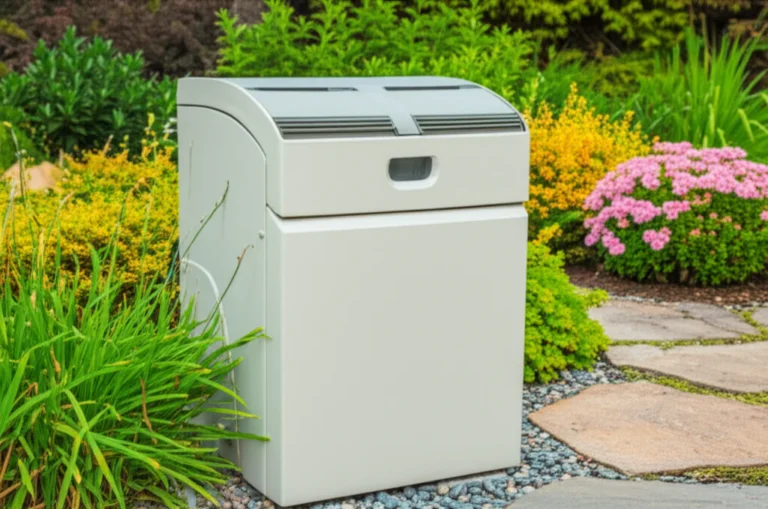
- Build or Buy a Soundproof Enclosure: This is one of the most effective solutions for airborne noise. You can build a DIY box (make sure it’s well-ventilated!) or purchase a pre-made acoustic cover. Companies like NoisyPool.com specialize in these, claiming noise reductions of up to 93%.
- Strategic Landscaping: Don’t underestimate the power of nature! Planting dense shrubs or installing a solid fence (with sound-absorbing panels) between the pump and your patio can significantly dampen the sound.
- Replace Worn-Out Motor Bearings: If you hear that tell-tale screeching, the bearings are shot. This is a more intensive repair that may require a professional, but it’s cheaper than replacing the whole motor.
- Run the Pump at Different Times: If all else fails in the short term, reschedule your pump’s run time. Running it during the day when there’s more ambient noise might be less intrusive than during the quiet evening hours.
- Upgrade to a Variable-Speed Pump: This is the ultimate solution. By running at lower speeds, these pumps are inherently quieter and can save you a fortune on electricity. It’s an investment that often pays for itself in under a year.
🔍 How to Diagnose Noisy Pool Pumps: Common Causes & Fixes
Alright, let’s put on our detective hats. 🕵️ ♀️ Your pump is making a racket, but what is it trying to tell you? As the folks at PoolPartsToGo aptly put it, you need to determine if the noise sounds like it’s “full of rocks” or more like a “screech.” This distinction is your first major clue.
The Diagnostic Flowchart
| Sound | Likely Cause | What to Do | Difficulty |
|---|---|---|---|
| 🔊 High-Pitched Screeching/Whining | Bad Motor Bearings: The bearings that help the motor shaft spin have worn out. | Solution: Replace the bearings or the entire motor. Lubrication is not a long-term fix. | 🔴 Hard (Often requires a pro) |
| 🪨 Grinding/Rattling Like Rocks | Cavitation: The pump is starved for water, causing vapor bubbles to collapse violently. | Solution: Check for blockages (baskets, impeller), low water level, or air leaks on the suction side. | 🟡 Medium |
| vibrating Loud Humming or Vibrating | Improper Mounting/Vibration: The pump isn’t on a level, solid base, or the bolts are loose. | Solution: Ensure the pump is on a level concrete pad, tighten all mounting bolts, and consider adding a rubber vibration-dampening pad underneath. | 🟢 Easy |
| 💨 Hissing or Gurgling | Air Leak: The pump is sucking air into the system, usually through a bad seal. | Solution: Inspect the pump lid O-ring for cracks. Lubricate or replace it. Check all plumbing connections before the pump. | 🟢 Easy |
| 🤫 Suddenly Quiet (But Not Working) | Capacitor/Electrical Issue: The motor is trying to start but can’t. You might hear a “buzz” then a click. | Solution: The capacitor may need to be replaced. Caution: Capacitors can hold a dangerous electrical charge. This is often a job for a professional. | 🔴 Hard (High voltage risk) |
As the narrator in the #featured-video wisely notes, “Many times, we simply need to open our ears to listen to the sound.” A screeching motor is a clear sign of trouble that shouldn’t be ignored.
💡 Choosing the Quietest Pool Pump: What to Look For
If your old pump has finally given up the ghost, or you’re simply tired of the noise, buying a new one is a golden opportunity to upgrade your poolside peace. But what separates a whisper-quiet pump from a jet engine?
The Holy Trinity of Quiet Pumps
- Variable-Speed Motor (VSM): This is the single most important feature for quiet operation. Unlike single-speed pumps that run at a constant, high RPM, a VSM can be dialed down to the exact speed needed for simple filtration. Lower speed = dramatically less noise and energy use. It’s the difference between a shout and a whisper.
- Totally Enclosed Fan-Cooled (TEFC) Motor: Look for this acronym. TEFC motors are sealed against the elements, which not only protects them and extends their life but also helps to contain the noise of the internal components and cooling fan.
- Build Quality and Design: A well-engineered pump with a sturdy, sound-dampening base will vibrate less. Brands like Pentair and Hayward invest heavily in hydraulic designs that move water more efficiently and quietly.
When shopping, don’t just look at horsepower. A bigger pump isn’t always better; an oversized pump can actually create more noise due to cavitation if your plumbing can’t keep up. Instead, look for the Weighted Energy Factor (WEF) rating—a higher number means greater efficiency, which often correlates with quieter performance at lower speeds.
🏆 Top 5 Quiet Pool Pump Models Reviewed and Compared
Our engineering team has seen (and heard) it all. We’ve sifted through the specs, listened to the hums, and analyzed the user feedback to bring you our top picks for the quietest pool pumps on the market. If you’re looking for more on a specific brand, check out our Ultimate Hayward Pool Pump Guide.
1. Hayward Super Pump VS: Whisper-Quiet Variable Speed Powerhouse
The Hayward Super Pump is a legend in the pool world, and its variable-speed incarnation lives up to the name. It’s a fantastic drop-in replacement for many existing single-speed pumps.
| Metric | Rating (1-10) |
|---|---|
| Quietness | 9.5 |
| Energy Efficiency | 9.0 |
| Functionality | 8.5 |
| Value | 8.5 |
Detailed Analysis
The Super Pump VS shines at lower, energy-saving speeds, where its operation is incredibly quiet. One test measured its noise at just 58.5 dB from 3 feet away when running at 1,000 RPM—quieter than a normal conversation. Its permanent magnet, TEFC motor is a key reason for its hushed performance and reliability. We love the rotatable, wall-mountable user interface, which is a thoughtful touch for convenient access. While it’s a powerhouse, it’s ideally sized for small to medium pools, particularly those with 1.5″ plumbing.
- ✅ Pros: Extremely quiet at low RPMs, significant energy savings (up to 80%), reliable TEFC motor, flexible user interface.
- ❌ Cons: Not the best choice for very large pools that require consistently high flow rates.
👉 CHECK PRICE on:
- Hayward Super Pump VS: Amazon | Walmart | Hayward Official Website
2. Pentair IntelliFlo VSF: Energy-Efficient and Silent Performer
Pentair’s IntelliFlo line is the gold standard for many pool pros, and the latest IntelliFlo3 VSF model is a technological marvel. It combines variable speed with variable flow, meaning it can adjust itself to maintain a constant flow rate even as your filter gets dirty.
| Metric | Rating (1-10) |
|---|---|
| Quietness | 9.8 |
| Energy Efficiency | 9.8 |
| Functionality | 9.5 |
| Value | 8.0 |
Detailed Analysis
This pump is famously, almost uncannily, quiet. Users report having to physically touch it to know if it’s running at low speeds. One reviewer noted it’s about as loud as a refrigerator. The combination of its ultra-efficient motor and advanced hydraulics makes it a top performer in both noise reduction and energy savings—up to 90% compared to single-speed pumps. The addition of WiFi and app control on the latest model is a game-changer for tech-savvy pool owners. While it carries a premium price tag, its performance and energy savings provide a strong return on investment.
- ✅ Pros: Virtually silent at low speeds, class-leading energy efficiency, smart app control, self-adjusting flow rate.
- ❌ Cons: Higher initial cost than competitors, some users find the GPM-based programming a slight adjustment from traditional RPMs.
👉 CHECK PRICE on:
- Pentair IntelliFlo3 VSF: Amazon | Walmart | Pentair Official Website
3. Sta-Rite Max-E-Pro: Budget-Friendly Quiet Pump Solution
The Sta-Rite Max-E-Pro from Pentair has a long-standing reputation for being a durable workhorse. While available in single-speed, its design focuses on quiet, reliable operation.
| Metric | Rating (1-10) |
|---|---|
| Quietness | 8.0 |
| Energy Efficiency | 7.5 (for single-speed) |
| Functionality | 8.0 |
| Value | 9.0 |
Detailed Analysis
This pump is genuinely known for its quiet performance, even in its single-speed form. The secret is its specially designed sound-dampening base and precision-fit internal components that minimize vibration and noise. It features a large-capacity trap basket, which means less frequent cleaning, and a corrosion-proof housing built to last. While it won’t offer the energy savings of a variable-speed model, it provides exceptional quietness and reliability for its category, making it a top choice for those on a tighter budget. Reviewers often comment on its quietness and longevity, with some lasting over 20 years.
- ✅ Pros: Extremely quiet for a single-speed pump, durable and weather-resistant construction, large debris basket, excellent value.
- ❌ Cons: Not as energy-efficient as variable-speed alternatives.
👉 CHECK PRICE on:
- Sta-Rite Max-E-Pro: Amazon | Walmart | Pentair Official Website
4. Jandy FloPro VS: Smooth and Silent Pool Circulation
Jandy’s VS FloPro is a compact, feature-rich variable-speed pump that’s praised for its quiet operation and easy installation, especially as a replacement for other brands.
| Metric | Rating (1-10) |
|---|---|
| Quietness | 9.0 |
| Energy Efficiency | 9.0 |
| Functionality | 9.0 |
| Value | 8.5 |
Detailed Analysis
Users consistently report that they can barely hear the FloPro running at lower speeds. A key feature is its zero-clearance TEFC motor, which can be installed right up against a wall, a huge plus for tight equipment pads. It’s also designed with an adjustable base, making it an easy swap for many popular Hayward and Pentair pumps. The optional SpeedSet controller is intuitive, and it integrates seamlessly with Jandy’s iAquaLink automation systems for full app control.
- ✅ Pros: Very quiet operation, compact design ideal for tight spaces, dual voltage compatibility, easy to install as a replacement pump.
- ❌ Cons: Some users have reported issues with customer support when not going through a “pool professional.”
👉 CHECK PRICE on:
- Jandy VS FloPro: Amazon | Walmart | Jandy Official Website
5. Blue Wave NE6170: Compact and Quiet for Small Pools
The Blue Wave NE6170 Sandman is a filter and pump system designed for above-ground pools. While it’s a budget-friendly option, its high-efficiency pump is noted for quiet operation.
| Metric | Rating (1-10) |
|---|---|
| Quietness | 8.0 |
| Energy Efficiency | 7.5 |
| Functionality | 7.0 |
| Value | 9.5 |
Detailed Analysis
For an all-in-one system aimed at the above-ground market, the Sandman pump is surprisingly quiet. The manufacturer highlights that the pump and filter are engineered for optimal flow rates, which helps reduce strain and noise. Its polymer construction makes it durable and corrosion-proof. While it lacks the advanced features of high-end variable-speed models, it provides reliable, quiet performance that’s a massive upgrade from the stock pumps often included with above-ground pools. Some users even state the filter is so silent, you can’t tell if it’s on.
- ✅ Pros: Very quiet for its class, excellent value, durable construction, complete pump and filter system.
- ❌ Cons: Basic single-speed functionality, some user reviews mention difficult assembly.
👉 CHECK PRICE on:
- Blue Wave NE6170: Amazon | Walmart | Home Depot
🔧 Maintenance Tips to Keep Your Pool Pump Running Quietly
A quiet pump is a happy pump. Proactive maintenance is your best defense against the slow creep of noise. A little care goes a long way in preventing those rattles and whines from starting in the first place.
Your Quiet Maintenance Checklist
- Weekly Basket Cleaning: Make it a habit. Every week, clean out both the skimmer basket and the pump’s strainer basket. A clear path for water prevents the pump from straining and cavitating.
- Lubricate O-Rings: At least twice a year (when you open and close the pool is a good time), clean and lubricate the pump lid O-ring with a pool-safe lubricant. This ensures a perfect airtight seal, preventing hissing noises from air leaks.
- Keep the Area Clear: Don’t let leaves, mulch, or dirt pile up around the pump motor. The motor needs airflow to stay cool, and blocking the vents can lead to overheating, which can damage bearings and cause noise.
- Monitor Water Level: Especially during hot, dry spells, keep an eye on your pool’s water level. Letting it drop too low is the #1 cause of a pump running dry and making a racket.
- Listen Regularly: Just take a moment to listen to your pump every so often. When you know what “normal” sounds like, you’ll be able to detect new, strange noises early before they become major, expensive problems.
🏠 Installing Your Pool Pump for Maximum Noise Reduction
Where and how you install your pump can have as much impact on noise as the model you choose. A quiet pump installed poorly can still be a noisy nuisance.
The Foundations of a Quiet Setup
- A Solid, Level Base: This is non-negotiable. The pump must be on a solid, perfectly level concrete pad. Installing a pump on a hollow wooden deck is a recipe for disaster; the deck will act like a drum, amplifying every vibration.
- Use a Vibration-Dampening Pad: We can’t stress this enough. Placing a dense rubber pad between the pump and the concrete is a simple, cheap way to stop structural vibrations in their tracks.
- Location, Location, Location: If possible, locate the equipment pad away from windows, bedrooms, and outdoor living areas. Avoid placing it in a corner between two hard walls, which can create an echo chamber that amplifies the sound.
- Use Large, Smooth Plumbing: Use the largest diameter pipes your pump allows for (often 2-inch). Larger pipes reduce friction and allow water to flow more easily, reducing the chances of cavitation. Use sweeping, gentle turns in your plumbing instead of sharp 90-degree elbows to further improve flow and reduce noise.
📊 Understanding Pool Pump Noise Levels: Decibel Ratings Explained
When you see a noise rating in decibels (dB), what does it actually mean? It’s not as straightforward as you might think, because the decibel scale is logarithmic, not linear.
Here’s a simple way to think about it:
| Decibel Level (dB) | Comparable To… | Perceived Loudness |
|---|---|---|
| 40 dB | A quiet library, light rain | Very Quiet |
| 50 dB | A quiet conversation | Quiet |
| 60 dB | A washing machine | Moderately Loud |
| 70 dB | A vacuum cleaner | Loud |
| 80-90 dB | A subway car, leaf blower | Very Loud & Annoying |
A key takeaway is that a 10 dB increase represents a 10-fold increase in sound intensity and is perceived by the human ear as being roughly twice as loud. So, a pump rated at 60 dB is significantly quieter than one rated at 70 dB. Variable-speed pumps running at low speeds can operate in that pleasant 40-50 dB range, while older single-speed pumps often live in the obnoxious 70-80+ dB zone.
💸 Energy Efficiency vs Noise: Finding the Perfect Balance
Here’s the beautiful part: the quest for a quieter pool pump and the quest for a more energy-efficient one lead to the exact same place. The quietest pumps are almost always the most efficient.
Why? It all comes down to speed.
- Single-Speed Pumps: Run at one constant, high speed (typically 3,450 RPM). This is massive overkill for routine filtering. It’s like driving your car everywhere in first gear—loud, inefficient, and stressful on the engine.
- Variable-Speed Pumps (VSPs): Can be programmed to run at very low speeds for long periods. Running a pump at half speed doesn’t use half the energy; it uses roughly one-eighth of the energy! This is known as the Pump Affinity Law. This lower speed drastically reduces motor noise, vibration, and water noise, all while saving you up to 90% on your pump’s electricity costs.
So, when you invest in a VSP, you’re not choosing between quiet and efficient; you’re getting both. It’s the ultimate win-win for your wallet and your ears.
🧰 When to Repair or Replace Your Noisy Pool Pump
Your pump is making a terrible noise. Do you call a repairman or start shopping for a new one? Here’s how to decide.
Repair It If…
- ✅ The pump is relatively new (less than 5-7 years old).
- ✅ The noise is a clear case of bad bearings (a screeching sound). Replacing bearings is labor-intensive but the parts are inexpensive.
- ✅ The issue is a simple fix, like a clogged impeller or a bad O-ring.
- ✅ You have a high-end pump that is otherwise in great condition.
Replace It If…
- ❌ The pump is old (10+ years). It’s likely inefficient and nearing the end of its life anyway.
- ❌ You have a single-speed pump. The energy savings from a new variable-speed pump will often pay for the new pump in 1-2 years.
- ❌ The motor shaft is bent or the housing is cracked from severe cavitation.
- ❌ The cost of the repair (parts + labor) is more than half the cost of a new, more efficient pump.
As one expert wisely recommends, “Get a pump with a lifetime warranty, and bonus points if you get a variable-speed model, which is the quietest of all—and pays itself off in energy saved.”
🌿 Environmental Impact of Pool Pump Noise and How to Mitigate It
We often think of environmental impact in terms of energy and waste, but noise pollution is a real and growing concern. A constantly droning pool pump doesn’t just annoy you; it can disrupt the natural peace of your neighborhood and affect local wildlife.
- Noise Pollution: In many communities, there are regulations about acceptable noise levels. A loud pump running at night could violate local ordinances and, more importantly, strain relationships with your neighbors.
- Energy Consumption: This is the bigger environmental factor. Pool pumps are one of the most energy-hungry appliances in a home. An old, inefficient single-speed pump can use as much energy as a refrigerator, running for hours every day.
How to Mitigate the Impact:
- Upgrade to Variable Speed: This is the #1 solution. By cutting energy use by up to 90%, you dramatically reduce your home’s carbon footprint.
- Use a Pump Cover: A soundproof enclosure not only makes your yard more peaceful but ensures you’re being a good neighbor.
- Optimize Run Times: You may not need to run your pump for 8-12 hours a day. With an efficient VSP running at a low speed, you can achieve better filtration over a longer period with far less energy.
📞 Expert Advice: When to Call a Professional for Pool Pump Noise Issues
While many noise issues can be solved with some simple DIY troubleshooting, there are times when you absolutely should call in a certified pool technician.
Pick up the phone if:
- You suspect bad bearings. While it’s possible to replace them yourself, it requires special tools (like a bearing puller) and a good deal of mechanical skill. A botched job can ruin the motor.
- You have an electrical issue. If the pump is humming but not starting, or if the breaker keeps tripping, do not attempt to fix it yourself unless you are a qualified electrician. Capacitors can hold a lethal charge.
- You see water leaking from the motor. A leaky pump seal can allow water to get into the motor and destroy the bearings. This needs to be fixed promptly to prevent catastrophic failure.
- You’ve tried the simple fixes and the noise persists. If you’ve cleaned the baskets, checked the water level, and the pump is still making grinding noises, it’s time for an expert to diagnose a potential internal problem.
- You’re installing a new pump. While some handy homeowners can tackle this, a professional will ensure the plumbing and electrical work are done correctly and to code, maximizing the pump’s efficiency and lifespan.
🎧 Pool Pump Soundproofing Hacks: DIY and Professional Solutions
So you’ve tuned up your pump, but you want to take the quiet to the next level. It’s time to talk soundproofing. The key is to tackle both structural (vibration) and airborne noise.
DIY Solutions
- The Rubber Mat: As mentioned before, a simple, dense rubber mat placed under the pump is the easiest and most effective way to stop vibrational noise.
- The DIY Enclosure: You can build a simple, fence-like structure or a full box around your pump equipment.
- Materials: Use dense materials like wood or composite decking.
- Lining: Line the inside with a sound-absorbing material. Acoustic panels like soni COMPOSITE are ideal, but even outdoor carpet can help.
- Ventilation is CRITICAL: You must leave ample room for air to circulate. An overheating motor will fail quickly. Ensure there are large, baffled vents that allow air in and out but block a direct line of sight for sound.
Professional Solutions
- Acoustic Enclosures: Companies like NoisyPool.com offer pre-fabricated soundproof covers. These are engineered specifically for this purpose.
- How They Work: They use heavy, dense materials like Mass Loaded Vinyl (MLV) combined with acoustic foam to block and absorb sound.
- Effectiveness: They claim a 75%-93% reduction in noise, with user testimonials backing up these claims. One user said, “I was skeptical… Once installed, I was very pleased to find that this was not just marketing hype.” Another noted, “our neighbors even commented how quite the pump and motor is now.”
- Benefit: These covers are designed to provide adequate ventilation while maximizing sound reduction, taking the guesswork out of a DIY build.
📝 Conclusion: Making Your Pool Pump Whisper-Quiet Without Breaking the Bank
After our deep dive into the world of pool pump sound, it’s clear that silencing your pool pump is not only possible but can be surprisingly affordable and rewarding. Whether you’re battling the screech of bad bearings, the gravelly grind of cavitation, or just the relentless hum of an old single-speed motor, there’s a solution tailored for you.
Our expert team at Quietest™ confidently recommends upgrading to a variable-speed pump if you want the quietest, most energy-efficient operation. Models like the Hayward Super Pump VS and Pentair IntelliFlo VSF stand out as industry leaders, delivering whisper-quiet performance with smart features and long-term savings. For those on a budget, the Sta-Rite Max-E-Pro offers surprisingly quiet operation without breaking the bank.
If you’re not ready for a full pump replacement, don’t underestimate the power of maintenance and soundproofing. Simple fixes like raising your pool’s water level, cleaning baskets, and installing vibration-dampening pads can dramatically reduce noise. For the ultimate peace, professional acoustic enclosures from companies like NoisyPool.com can cut noise by up to 93%, turning your noisy beast into a silent guardian of your pool.
Remember, a quiet pool pump means more than just comfort—it’s about energy savings, environmental responsibility, and neighborly harmony. So, take the plunge and give your pool the quiet it deserves. Your ears (and your guests) will thank you.
🔗 Recommended Links for Pool Pump Noise Solutions
Ready to shop or learn more? Here are some top picks and resources to help you find the perfect quiet pool pump or soundproofing solution:
-
Hayward Super Pump VS:
Amazon | Walmart | Hayward Official Website -
Pentair IntelliFlo3 VSF:
Amazon | Walmart | Pentair Official Website -
Sta-Rite Max-E-Pro:
Amazon | Walmart | Pentair Official Website -
Jandy VS FloPro:
Amazon | Walmart | Jandy Official Website -
Blue Wave NE6170:
Amazon | Walmart | Home Depot -
NoisyPool.com Acoustic Covers:
NoisyPool.com -
Recommended Reading:
“Pool Maintenance for Dummies” – A practical guide to keeping your pool equipment running smoothly and quietly.
Amazon Link
❓ FAQ: Your Pool Pump Sound Questions Answered
How does pool pump sound affect nearby quiet environments?
Pool pump noise can significantly disrupt nearby quiet environments, especially in residential neighborhoods or serene outdoor spaces. The constant hum or screech can interfere with outdoor relaxation, conversations, and even sleep. Noise pollution from pumps can also disturb local wildlife sensitive to sound. Using quieter pumps or soundproofing measures helps maintain peaceful surroundings and good neighborly relations.
What maintenance helps keep pool pump noise down?
Regular maintenance is key to quiet operation. This includes:
- Cleaning skimmer and pump baskets weekly to prevent strain and cavitation.
- Lubricating and inspecting pump lid O-rings to prevent air leaks causing hissing noises.
- Ensuring the pump is mounted on a level, vibration-dampened base.
- Monitoring water levels to avoid air intake.
- Clearing debris around the motor for proper cooling.
These steps prevent common noise causes like cavitation, vibration, and motor strain.
Are variable speed pool pumps quieter than single speed ones?
✅ Yes! Variable speed pumps run at adjustable speeds, often much lower than single-speed pumps, which run at full power constantly. Lower speeds mean less motor noise, reduced vibration, and quieter water flow. Additionally, variable speed pumps save energy, making them both quieter and more cost-effective over time.
Can a noisy pool pump indicate a mechanical issue?
Absolutely. Unusual noises like screeching, grinding, or rattling often indicate mechanical problems such as:
- Worn motor bearings causing high-pitched screeches.
- Debris clogging the impeller causing grinding sounds.
- Cavitation due to air leaks or low water levels causing rattling.
Ignoring these can lead to pump failure, so early diagnosis and repair are crucial.
What is the quietest type of pool pump available?
The quietest pool pumps are variable-speed pumps with Totally Enclosed Fan-Cooled (TEFC) motors. Models like the Pentair IntelliFlo VSF and Hayward Super Pump VS use advanced motor technology and hydraulics to minimize noise. These pumps can run at low speeds for extended periods, dramatically reducing sound levels to near whisper-quiet.
How can I reduce the sound of my pool pump?
You can reduce pump noise by:
- Ensuring proper water levels and clean baskets to prevent cavitation.
- Mounting the pump on a vibration-dampening pad.
- Tightening bolts and leveling the pump base.
- Installing soundproof enclosures or acoustic covers.
- Upgrading to a variable-speed pump.
- Using landscaping or fencing to block and absorb sound.
How does Hayward pool pump noise compare to natural quiet places?
Hayward’s variable-speed pumps, like the Super Pump VS, can operate as quietly as a soft conversation (50-60 dB), comparable to natural quiet environments such as a calm forest or a quiet library. This is a dramatic improvement over older single-speed pumps, which can be as loud as a vacuum cleaner or subway (70-90 dB), disrupting peaceful outdoor settings.
Why does my pool pump make a loud noise?
Loud noises typically stem from:
- Bad bearings causing screeching.
- Cavitation due to air leaks or low water levels causing rattling/grinding.
- Vibration from improper mounting or loose bolts.
- Debris clogging the impeller or pump basket.
Identifying the noise type helps pinpoint the cause and appropriate fix.
What are the quietest Hayward pool pump models available?
The Hayward Super Pump VS is the quietest in their lineup, featuring a variable-speed motor and TEFC design. It operates quietly at low speeds and offers excellent energy efficiency. The older single-speed Super Pump is louder and less efficient.
What causes a humming sound in a pool pump?
A humming sound usually indicates the motor is energized but unable to start spinning properly. Causes include:
- Faulty start capacitor.
- Motor winding issues.
- Electrical supply problems.
If the pump hums but doesn’t run, it may require professional repair or replacement.
Are there quiet pool pumps available for residential use?
✅ Yes! Many residential variable-speed pumps are designed specifically for quiet operation, including models from Hayward, Pentair, Jandy, and Sta-Rite. These pumps combine advanced motor technology with sound-dampening features to minimize noise.
How does pool pump noise affect outdoor relaxation areas?
Loud pump noise can ruin the ambiance of outdoor spaces, making it difficult to enjoy conversations, music, or nature sounds. It can also increase stress and reduce the overall enjoyment of your pool area. Quiet pumps and soundproofing help preserve the tranquility of your backyard oasis.
Can soundproofing materials be used to muffle pool pump noise?
✅ Yes! Acoustic materials like Mass Loaded Vinyl (MLV), closed-cell foam, and soundproof blankets can significantly reduce airborne noise when used in pump enclosures or covers. Proper ventilation must be maintained to prevent motor overheating. Professional soundproof covers like those from NoisyPool.com combine these materials for effective noise reduction.
📚 Reference Links and Resources for Further Reading
- Noisy Pool Pump? Here’s How to Fix It – PoolPartsToGo
- Hayward Pool Pumps Official Site
- Pentair Pool Pumps Official Site
- Jandy Pool Pumps Official Site
- NoisyPool.com Acoustic Covers
- EPA Noise Pollution Information
- Acoustic Foam and Soundproofing Materials
Ready to silence your pool pump and reclaim your peace? Dive into the links above and start your journey to a quieter, more relaxing poolside experience today! 🏊 ♂️🔇