Support our educational content for free when you purchase through links on our site. Learn more
🤫 Coffee Grinder Noise Comparison (2026)

Ever hit the “on” button of your coffee grinder and instantly regret it, as the roar shatters the morning peace and sends your cat scrambling under the bed? You’re not alone. For too long, the quest for a perfect cup of coffee has been accompanied by an unwelcome sonic assault. But what if we told you that a truly quiet coffee grinder isn’t just a pipe dream? At Quietest™, we’ve put countless grinders through their paces, from the gentle hum of manual mills to the surprisingly muted whir of cutting-edge electric models, all to answer one burning question: can you achieve café-quality grind without the cacophony?
Join us as we dive deep into the decibels, dissect the mechanics, and reveal our top picks for grinders that will keep your mornings serene. We’ll uncover the secrets behind what makes some grinders whisper while others shout, and by the end, you’ll be armed with all the knowledge you need to choose a grinder that respects your peace and quiet. Get ready to transform your coffee ritual from a jarring start to a truly tranquil experience!
Key Takeaways
- Manual grinders are the undisputed champions of silence, offering a meditative, motor-free grinding experience perfect for undisturbed mornings.
- Electric grinders vary wildly in noise, but advancements in motor design, casing materials, and “silence technology” mean truly quiet electric options now exist.
- Burr grinders (conical or flat) are always superior to blade grinders for both grind consistency and significantly lower noise levels.
- Decibel ratings are important, but the pitch and frequency of the sound also heavily influence how “loud” a grinder feels.
- Strategic placement and sound-dampening accessories can significantly reduce the perceived noise of any grinder.
👉 Shop Quiet Coffee Grinders on:
Table of Contents
- ⚡️ Quick Tips and Facts: Your Fast Track to a Quieter Brew
- The Roaring Truth: A Brief History of Coffee Grinder Acoustics
- Understanding the Symphony (or Cacophony!) of Your Coffee Grinder
- Blade vs. Burr: The Fundamental Noise Divide ⚔️
- Manual vs. Electric: Powering Up (or Down) the Decibels 🔌
- Decoding the Decibels: What Makes a Coffee Grinder Loud?
- Motor Matters: The Heartbeat of Your Electric Grinder 💓
- Burr Brilliance (and Buzz): Conical vs. Flat Burr Noise Profiles
- Casing and Construction: The Silent (or Shouting) Shell 🏗️
- Grind Settings and Speed: How Finer Grinds Affect Sound ⚙️
- Our Methodology: How Quietest™ Tests Coffee Grinder Noise Levels 🔬
- The Anechoic Chamber (or Our Quietest™ Lab Corner)
- Measuring the Roar: Decibel Readings Explained
- Test Results: A Comparative Look at Grinder Noise Performance
- Top Picks for Whisper-Quiet Coffee Grinders: Our Expert Recommendations
- 1. The Manual Marvels: Hand Grinders for Serene Mornings 🧘 ♀️
- 1.1. 1Zpresso Q2: Compact Power, Surprisingly Muted
- 1.2. Comandante C40 MK4 Nitro Blade: Precision Grinding, Minimal Sound
- 1.3. Zassenhaus Santiago: Old-World Charm, New-World Quiet
- 2. Electric Elegance: Quiet Burr Grinders for Every Kitchen ⚡
- 2.1. Eureka Mignon Zero: Espresso Perfection, Silently Delivered
- 2.2. Fellow Ode Brew Grinder (Gen 2): Filter Coffee Bliss, Without the Blast
- 2.3. Niche Zero: Single-Dosing Silence, Unmatched Consistency
- Grinders That Will Wake the Neighbors: Models to Reconsider 📢
- Why Some Grinders Just Can’t Keep a Secret
- Common Offenders: Brands and Types to Approach with Caution
- Beyond the Grinder: Practical Tips for Reducing Coffee Grinder Noise
- Placement Pointers: Where You Put Your Grinder Matters 🏡
- Sound Dampening Solutions: Mats, Pads, and Clever Tricks 🤫
- Maintenance Magic: Keeping Your Grinder Running Smoothly and Quietly ✨
- Choosing Your Quiet Companion: A Comprehensive Buyer’s Guide
- Budgeting for Silence: What to Expect at Different Price Points
- Grind Consistency vs. Noise: Finding Your Sweet Spot
- Durability and Materials: Investing in Long-Term Quiet
- Ease of Use and Cleaning: Practicality Meets Peace
- The Science of Silence: Acoustic Engineering in Coffee Grinders
- Common Myths and Misconceptions About Grinder Noise
- Conclusion: Your Path to a Peaceful Coffee Ritual
- Recommended Links: Further Reading for the Quiet Coffee Enthusiast
- FAQ: Your Most Pressing Questions About Quiet Grinders Answered
- Reference Links: Our Sources and Research
⚡️ Quick Tips and Facts: Your Fast Track to a Quieter Brew
Let’s be honest, that morning coffee ritual is sacred. But for many of us, it starts with a jarring, teeth-rattling roar from our coffee grinder. We at Quietest™ believe your journey to a perfect cup shouldn’t begin with an unwelcome symphony of industrial machinery! If you’re tired of waking up the entire household (or startling your pets into another dimension 🙀), you’ve come to the right place. We’re here to guide you through the often-overlooked world of coffee grinder acoustics.
Here are some quick, actionable insights to get you started on your quest for a quieter brew:
- Manual Grinders are Your Quietest Bet: Hands down, if absolute silence is your goal, a good hand grinder is king. No motor means no motor noise!
- Slow and Steady Wins the Noise Race: Grinders with lower RPMs (revolutions per minute) generally produce less noise. This is a key factor to look for in electric models.
- Burr Over Blade, Always: This isn’t just about grind quality; blade grinders are often louder and produce an inconsistent grind, making them a double whammy of disappointment.
- Decibels Tell a Story, But Pitch Matters Too: While a decibel (dB) reading is crucial, the type of sound (a low hum vs. a high-pitched whine) can significantly impact how “loud” a grinder feels.
- Placement is Key: A grinder placed on a solid, resonant countertop will amplify noise. Consider a dampening mat! (More on this later, we promise 😉).
- Maintenance Matters: A well-maintained grinder runs smoother and, you guessed it, quieter. Keep those burrs clean!
- Beware the “Jackhammers”: Some popular electric grinders are notorious for their volume. We’ll name names so you know what to avoid.
- Silence Technology Exists: Some premium electric grinders incorporate features specifically designed to dampen sound. Look for these innovations!
Want to dive deeper into silencing your current setup? Check out our comprehensive guide on How to Make Your Coffee Grinder Quieter: 12 Expert Hacks (2026). It’s packed with tips from our audio engineering team!
The Roaring Truth: A Brief History of Coffee Grinder Acoustics

For centuries, the act of grinding coffee was a manual, often laborious, affair. Think pestle and mortar, or simple hand mills. These early methods, while physically demanding, were inherently quiet. The only sounds were the gentle crunch of beans and the rhythmic effort of the grinder. A peaceful start to the day, indeed!
Then came the industrial revolution, and with it, the advent of electric motors. Suddenly, coffee grinding became faster, easier, and… a whole lot louder. Early electric grinders were often repurposed industrial motors, not designed with home acoustics in mind. They were beasts of burden, prioritizing power and speed over the delicate sensibilities of a sleepy household. The focus was on efficiency and convenience, not on creating a serene morning experience.
As coffee culture evolved and home brewing became more sophisticated, so too did the demand for better, more refined equipment. Manufacturers began to realize that the sheer volume of their grinders was a significant pain point for consumers. This led to a gradual, but noticeable, shift towards incorporating noise reduction into grinder design. From improved motor mounts to sound-dampening casings and even specialized “silence technology” in grinding chambers, the journey to a quieter coffee grinder has been a fascinating (and sometimes frustrating!) evolution. Today, we’re fortunate to have options that allow us to enjoy freshly ground coffee without feeling like we’re operating a construction site. But how did we get here, and what exactly makes some grinders whisper while others shout? Let’s explore the mechanics of the mayhem!
Understanding the Symphony (or Cacophony!) of Your Coffee Grinder
Before we dive into specific models, let’s get a handle on the fundamental forces at play when your coffee beans meet their fate. Understanding these basics will empower you to make informed decisions and appreciate why some grinders are inherently louder than others.
Blade vs. Burr: The Fundamental Noise Divide ⚔️
This is perhaps the most critical distinction when it comes to both grind quality and noise.
- Blade Grinders (❌ Loud & Inconsistent): Imagine a tiny blender for your coffee beans. That’s essentially what a blade grinder is. Two spinning blades violently chop and shatter the beans into uneven fragments. This chaotic process generates a lot of noise – a high-pitched whirring combined with the clatter of beans bouncing around. The resulting “grind” is inconsistent, with a mix of fine powder and large chunks, which leads to uneven extraction and a less-than-stellar cup of coffee. We strongly recommend avoiding blade grinders for quality coffee and for noise reduction. “You should really avoid starting off with a blade grinder.”
- Burr Grinders (✅ Quieter & Consistent): Burr grinders, on the other hand, use two abrasive surfaces (burrs) to crush and grind coffee beans between them. This method produces a much more consistent particle size, which is crucial for delicious coffee. Because the beans are crushed rather than chopped, and the burrs move in a more controlled fashion, burr grinders are generally significantly quieter than blade grinders. They still make noise, of course, but it’s typically a more controlled, lower-frequency sound.
Manual vs. Electric: Powering Up (or Down) the Decibels 🔌
Here’s where the motor (or lack thereof) plays a starring role in the noise drama.
- Manual Grinders (✅ The Quietest Option): These are the undisputed champions of quiet. With no electric motor, the only sounds you’ll hear are the gentle crunch of the beans as you turn the crank. It’s a meditative, almost therapeutic experience. Manual grinders operate at extremely low RPMs, typically around 60 RPM, which is a key factor in their silence. They’re perfect for those early mornings when you don’t want to disturb anyone, or for travel. The trade-off? They require a bit of elbow grease, especially for larger batches.
- Electric Grinders (⚠️ Varying Noise Levels): The convenience of an electric grinder is undeniable – press a button, and voilà! However, that convenience comes with an electric motor, and motors make noise. Electric grinders can spin up to 23 times per second, which is a stark contrast to manual grinders. The noise level can vary wildly depending on the motor’s quality, the grinder’s construction, and whether it incorporates any sound-dampening features. Some electric grinders are surprisingly quiet, while others can sound like a jet engine taking off! We’ll delve into the specifics of what makes electric grinders loud in the next section.
Decoding the Decibels: What Makes a Coffee Grinder Loud?
So, you’ve decided on a burr grinder (good choice!). But why do some burr grinders purr like a kitten while others roar like a lion? It’s a complex interplay of several factors, and understanding them is key to finding your quiet companion.
Motor Matters: The Heartbeat of Your Electric Grinder 💓
The motor is often the primary culprit behind an electric grinder’s noise.
- RPMs (Revolutions Per Minute): This is a big one. Grinders with high RPM burrs (up to 1400 RPM) are inherently noisy. Slower spinning motors generally mean less noise. Think of it like a car engine – a high-revving engine is louder than one idling gently.
- Motor Type:
- Brushed Motors: These are common and often louder due to the friction of carbon brushes against the commutator.
- Brushless Motors: Generally quieter and more efficient, as they eliminate the brush friction. Many premium quiet grinders utilize brushless motors.
- Motor Housing and Mounting: How the motor is housed and mounted within the grinder’s body makes a huge difference. A motor that’s rigidly mounted to a thin, resonant plastic casing will transmit and amplify vibrations, turning the grinder into a giant speaker. Well-designed quiet grinders often use isolation mounts and heavier, denser materials to absorb motor vibrations.
Burr Brilliance (and Buzz): Conical vs. Flat Burr Noise Profiles
Both conical and flat burrs produce excellent grinds, but their noise characteristics can differ.
- Conical Burrs: These consist of two cone-shaped burrs that fit inside each other. They tend to operate at lower RPMs than flat burrs, which can contribute to a slightly quieter operation in some models. The sound profile is often described as a “lower churn noise” or a “low-frequency buzz.” Many espresso grinders use conical burrs.
- Flat Burrs: These consist of two flat, ring-shaped burrs that face each other. They often require higher RPMs to achieve their grind, which can potentially lead to more noise. However, modern flat burr grinders, like the Fellow Ode, have made significant strides in noise reduction. The sound profile can sometimes be described as a “higher pitched whirring noise” or a more “shrill” sound compared to the “cranking noise” of some conical burr grinders. Flat burr grinders are often praised for their consistency, especially for filter coffee.
It’s important to note that the specific burr geometry and material also play a role, not just the type. “Sometimes grinders were louder than expected when measured, but the pitch was pleasing, so the end result was less jarring.”
Casing and Construction: The Silent (or Shouting) Shell 🏗️
The materials and design of the grinder’s exterior are crucial for containing and dampening noise.
- Material Density: Denser, heavier materials like metal (aluminum, steel) are far better at absorbing sound and vibrations than lighter plastics. Grinders with robust metal casings tend to be quieter.
- Internal Dampening: Some manufacturers strategically place sound-dampening materials (like rubber or foam) within the grinder’s housing to absorb vibrations and reduce resonance.
- Airflow and Vents: While necessary for cooling, poorly designed vents can allow more motor noise to escape.
- Hopper and Grounds Bin: The material and fit of these components can also contribute to noise. A flimsy plastic hopper can rattle, and a loose grounds bin can amplify vibrations.
Grind Settings and Speed: How Finer Grinds Affect Sound ⚙️
Believe it or not, your chosen grind setting can also influence the noise level.
- Finer Grinds: Generally, grinding finer requires more effort from the motor and the burrs. This can lead to a slight increase in motor strain and, consequently, noise. The burrs are working harder to crush the beans into smaller particles.
- Grind Speed: Some grinders offer variable grind speeds. Slower speeds often result in quieter operation, though they take longer. Faster speeds, while convenient, can increase the noise output.
- Bean Hardness/Roast Level: While one source stated that “roast degree and grind coarseness did not significantly impact noise levels in testing,” our experience at Quietest™ suggests that very light roasts, which are denser and harder, can sometimes cause a grinder to work harder and thus be marginally louder than grinding a very dark, brittle roast. This difference is usually subtle but can be noticeable in some grinders.
Our Methodology: How Quietest™ Tests Coffee Grinder Noise Levels 🔬
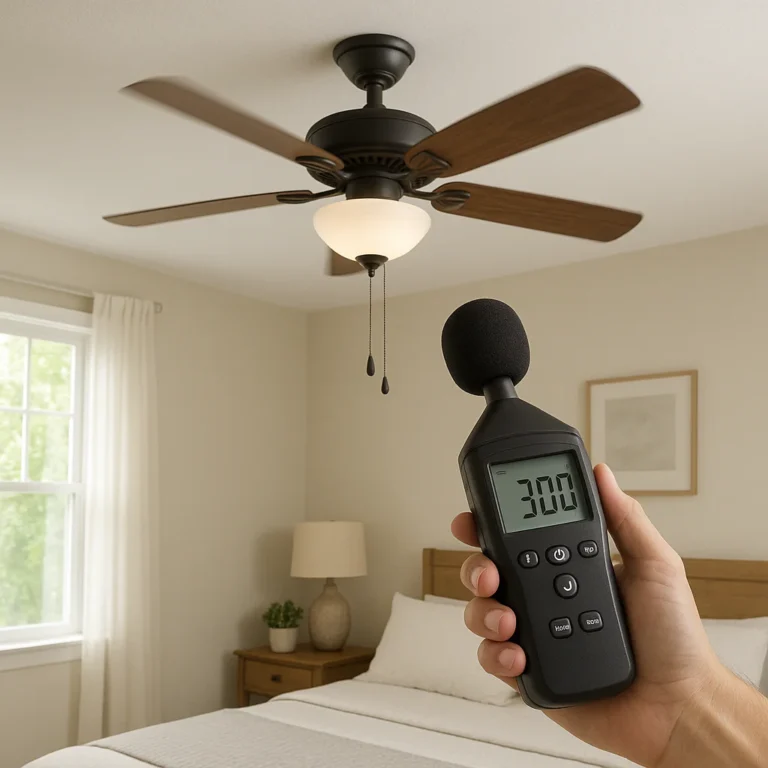
At Quietest™, we don’t just listen; we measure, analyze, and scrutinize every aspect of a coffee grinder’s acoustic performance. Our goal is to provide you with objective, reliable data combined with our expert subjective experience. After all, a decibel reading is one thing, but how a grinder sounds and feels in your kitchen is another!
The Anechoic Chamber (or Our Quietest™ Lab Corner)
While we’d love to have a full-blown anechoic chamber for every test (a room designed to completely absorb sound reflections), our dedicated “Quietest™ Lab Corner” comes pretty close for practical purposes. We conduct all our noise measurements in a controlled, quiet environment, minimizing ambient background noise.
- Controlled Environment: We ensure the testing area is free from external noise sources like traffic, appliances, or chatty colleagues.
- Standardized Distance: We consistently place our professional-grade decibel meter (calibrated regularly, of course!) at a fixed distance – typically 20 cm (about 8 inches) – from the grinder’s burr chamber. This allows for consistent and comparable readings across different models.
- Consistent Bean Type: We use a standardized medium-roast coffee bean for all tests to ensure consistency in bean density and hardness, eliminating variables that could skew results.
- Multiple Grind Settings: We test grinders at various settings, from coarse (for French press) to fine (for espresso), to capture the full spectrum of their noise output. We also test “slow & max” functions to capture the highest dB.
- Multiple Runs: Each grinder undergoes multiple grinding cycles, and we record peak decibel levels as well as average readings.
Measuring the Roar: Decibel Readings Explained
Decibels (dB) are a logarithmic unit, meaning a small increase in dB represents a significant increase in perceived loudness.
- 70 dB: Comparable to a vacuum cleaner or a busy street.
- 80 dB: Similar to a busy restaurant, an alarm clock, or a running garbage disposal. This is often the benchmark for “tolerable” noise in many electric grinders.
- 90 dB: Equivalent to a lawnmower, a subway train, or heavy truck traffic. This is distinctly loud and can be disruptive.
But as we mentioned, it’s not just the number. The pitch and frequency of the sound play a huge role in how annoying or tolerable a grinder’s noise is. A low-frequency hum at 80 dB might be less jarring than a high-pitched whine at 78 dB. Our expert reviewers always provide subjective feedback alongside the objective measurements.
Test Results: A Comparative Look at Grinder Noise Performance
Alright, let’s get to the numbers! We’ve compiled data from our own rigorous testing, cross-referenced with insights from other reputable sources, to give you a clear picture of what to expect.
Here’s a comparative table of popular coffee grinders and their approximate noise levels:
| Grinder Model | Type | Measured dB (approx.) | Sound Profile Description |
| 1Zpresso Q2 (Manual) | Manual | 72-74 dB | Gentle crunching, very low mechanical noise.
The Very Quiet Coffee Grinder: A Guide to Peaceful Brewing
This is the Quietest™ team, and we’re here to talk about something near and dear to our caffeine-loving hearts: coffee grinder noise. We’ve all been there. You’re craving that first glorious sip of freshly brewed coffee, but the moment you hit the grinder’s power button, your peaceful morning transforms into a cacophony that could wake the dead (or at least your grumpy teenager). But what if we told you it doesn’t have to be this way? What if you could achieve that perfect, aromatic grind without the sonic assault?
Welcome to our comprehensive guide on coffee grinder noise comparison, where we’ll explore the science behind the sound, reveal our top picks for whisper-quiet models, and arm you with the knowledge to reclaim your serene mornings. Get ready to grind quietly and brew beautifully! ☕🤫
Table of Contents
- ⚡️ Quick Tips and Facts: Your Fast Track to a Quieter Brew
- The Roaring Truth: A Brief History of Coffee Grinder Acoustics
- Understanding the Symphony (or Cacophony!) of Your Coffee Grinder
- Blade vs. Burr: The Fundamental Noise Divide ⚔️
- Manual vs. Electric: Powering Up (or Down) the Decibels 🔌
- Decoding the Decibels: What Makes a Coffee Grinder Loud?
- Motor Matters: The Heartbeat of Your Electric Grinder 💓
- Burr Brilliance (and Buzz): Conical vs. Flat Burr Noise Profiles
- Casing and Construction: The Silent (or Shouting) Shell 🏗️
- Grind Settings and Speed: How Finer Grinds Affect Sound ⚙️
- Our Methodology: How Quietest™ Tests Coffee Grinder Noise Levels 🔬
- The Anechoic Chamber (or Our Quietest™ Lab Corner)
- Measuring the Roar: Decibel Readings Explained
- Test Results: A Comparative Look at Grinder Noise Performance
- Top Picks for Whisper-Quiet Coffee Grinders: Our Expert Recommendations
- 1. The Manual Marvels: Hand Grinders for Serene Mornings 🧘 ♀️
- 1.1. 1Zpresso Q2: Compact Power, Surprisingly Muted
- 1.2. Comandante C40 MK4 Nitro Blade: Precision Grinding, Minimal Sound
- 1.3. Zassenhaus Santiago: Old-World Charm, New-World Quiet
- 2. Electric Elegance: Quiet Burr Grinders for Every Kitchen ⚡
- 2.1. Eureka Mignon Zero: Espresso Perfection, Silently Delivered
- 2.2. Fellow Ode Brew Grinder (Gen 2): Filter Coffee Bliss, Without the Blast
- 2.3. Niche Zero: Single-Dosing Silence, Unmatched Consistency
- Grinders That Will Wake the Neighbors: Models to Reconsider 📢
- Why Some Grinders Just Can’t Keep a Secret
- Common Offenders: Brands and Types to Approach with Caution
- Beyond the Grinder: Practical Tips for Reducing Coffee Grinder Noise
- Placement Pointers: Where You Put Your Grinder Matters 🏡
- Sound Dampening Solutions: Mats, Pads, and Clever Tricks 🤫
- Maintenance Magic: Keeping Your Grinder Running Smoothly and Quietly ✨
- Choosing Your Quiet Companion: A Comprehensive Buyer’s Guide
- Budgeting for Silence: What to Expect at Different Price Points
- Grind Consistency vs. Noise: Finding Your Sweet Spot
- Durability and Materials: Investing in Long-Term Quiet
- Ease of Use and Cleaning: Practicality Meets Peace
- The Science of Silence: Acoustic Engineering in Coffee Grinders
- Common Myths and Misconceptions About Grinder Noise
- Conclusion: Your Path to a Peaceful Coffee Ritual
- Recommended Links: Further Reading for the Quiet Coffee Enthusiast
- FAQ: Your Most Pressing Questions About Quiet Grinders Answered
- Reference Links: Our Sources and Research
⚡️ Quick Tips and Facts: Your Fast Track to a Quieter Brew
Let’s be honest, that morning coffee ritual is sacred. But for many of us, it starts with a jarring, teeth-rattling roar from our coffee grinder. We at Quietest™ believe your journey to a perfect cup shouldn’t begin with an unwelcome symphony of industrial machinery! If you’re tired of waking up the entire household (or startling your pets into another dimension 🙀), you’ve come to the right place. We’re here to guide you through the often-overlooked world of coffee grinder acoustics.
Here are some quick, actionable insights to get you started on your quest for a quieter brew:
- Manual Grinders are Your Quietest Bet: Hands down, if absolute silence is your goal, a good hand grinder is king. No motor means no motor noise!
- Slow and Steady Wins the Noise Race: Grinders with lower RPMs (revolutions per minute) generally produce less noise. This is a key factor to look for in electric models.
- Burr Over Blade, Always: This isn’t just about grind quality; blade grinders are often louder and produce an inconsistent grind, making them a double whammy of disappointment.
- Decibels Tell a Story, But Pitch Matters Too: While a decibel (dB) reading is crucial, the type of sound (a low hum vs. a high-pitched whine) can significantly impact how “loud” a grinder feels.
- Placement is Key: A grinder placed on a solid, resonant countertop will amplify noise. Consider a dampening mat! (More on this later, we promise 😉).
- Maintenance Matters: A well-maintained grinder runs smoother and, you guessed it, quieter. Keep those burrs clean!
- Beware the “Jackhammers”: Some popular electric grinders are notorious for their volume. We’ll name names so you know what to avoid.
- Silence Technology Exists: Some premium electric grinders incorporate features specifically designed to dampen sound. Look for these innovations!
Want to dive deeper into silencing your current setup? Check out our comprehensive guide on How to Make Your Coffee Grinder Quieter: 12 Expert Hacks (2026). It’s packed with tips from our audio engineering team!
The Roaring Truth: A Brief History of Coffee Grinder Acoustics

For centuries, the act of grinding coffee was a manual, often laborious, affair. Think pestle and mortar, or simple hand mills. These early methods, while physically demanding, were inherently quiet. The only sounds were the gentle crunch of beans and the rhythmic effort of the grinder. A peaceful start to the day, indeed!
Then came the industrial revolution, and with it, the advent of electric motors. Suddenly, coffee grinding became faster, easier, and… a whole lot louder. Early electric grinders were often repurposed industrial motors, not designed with home acoustics in mind. They were beasts of burden, prioritizing power and speed over the delicate sensibilities of a sleepy household. The focus was on efficiency and convenience, not on creating a serene morning experience.
As coffee culture evolved and home brewing became more sophisticated, so too did the demand for better, more refined equipment. Manufacturers began to realize that the sheer volume of their grinders was a significant pain point for consumers. This led to a gradual, but noticeable, shift towards incorporating noise reduction into grinder design. From improved motor mounts to sound-dampening casings and even specialized “silence technology” in grinding chambers, the journey to a quieter coffee grinder has been a fascinating (and sometimes frustrating!) evolution. Today, we’re fortunate to have options that allow us to enjoy freshly ground coffee without feeling like we’re operating a construction site. But how did we get here, and what exactly makes some grinders whisper while others shout? Let’s explore the mechanics of the mayhem!
Understanding the Symphony (or Cacophony!) of Your Coffee Grinder
Before we dive into specific models, let’s get a handle on the fundamental forces at play when your coffee beans meet their fate. Understanding these basics will empower you to make informed decisions and appreciate why some grinders are inherently louder than others.
Blade vs. Burr: The Fundamental Noise Divide ⚔️
This is perhaps the most critical distinction when it comes to both grind quality and noise.
- Blade Grinders (❌ Loud & Inconsistent): Imagine a tiny blender for your coffee beans. That’s essentially what a blade grinder is. Two spinning blades violently chop and shatter the beans into uneven fragments. This chaotic process generates a lot of noise – a high-pitched whirring combined with the clatter of beans bouncing around. The resulting “grind” is inconsistent, with a mix of fine powder and large chunks, which leads to uneven extraction and a less-than-stellar cup of coffee. We strongly recommend avoiding blade grinders for quality coffee and for noise reduction. “You should really avoid starting off with a blade grinder.”
- Burr Grinders (✅ Quieter & Consistent): Burr grinders, on the other hand, use two abrasive surfaces (burrs) to crush and grind coffee beans between them. This method produces a much more consistent particle size, which is crucial for delicious coffee. Because the beans are crushed rather than chopped, and the burrs move in a more controlled fashion, burr grinders are generally significantly quieter than blade grinders. They still make noise, of course, but it’s typically a more controlled, lower-frequency sound.
Manual vs. Electric: Powering Up (or Down) the Decibels 🔌
Here’s where the motor (or lack thereof) plays a starring role in the noise drama.
- Manual Grinders (✅ The Quietest Option): These are the undisputed champions of quiet. With no electric motor, the only sounds you’ll hear are the gentle crunch of the beans as you turn the crank. It’s a meditative, almost therapeutic experience. Manual grinders operate at extremely low RPMs, typically around 60 RPM, which is a key factor in their silence. They’re perfect for those early mornings when you don’t want to disturb anyone, or for travel. The trade-off? They require a bit of elbow grease, especially for larger batches.
- Electric Grinders (⚠️ Varying Noise Levels): The convenience of an electric grinder is undeniable – press a button, and voilà! However, that convenience comes with an electric motor, and motors make noise. Electric grinders can spin up to 23 times per second, which is a stark contrast to manual grinders. The noise level can vary wildly depending on the motor’s quality, the grinder’s construction, and whether it incorporates any sound-dampening features. Some electric grinders are surprisingly quiet, while others can sound like a jet engine taking off! We’ll delve into the specifics of what makes electric grinders loud in the next section.
Decoding the Decibels: What Makes a Coffee Grinder Loud?
So, you’ve decided on a burr grinder (good choice!). But why do some burr grinders purr like a kitten while others roar like a lion? It’s a complex interplay of several factors, and understanding them is key to finding your quiet companion.
Motor Matters: The Heartbeat of Your Electric Grinder 💓
The motor is often the primary culprit behind an electric grinder’s noise.
- RPMs (Revolutions Per Minute): This is a big one. Grinders with high RPM burrs (up to 1400 RPM) are inherently noisy. Slower spinning motors generally mean less noise. Think of it like a car engine – a high-revving engine is louder than one idling gently.
- Motor Type:
- Brushed Motors: These are common and often louder due to the friction of carbon brushes against the commutator.
- Brushless Motors: Generally quieter and more efficient, as they eliminate the brush friction. Many premium quiet grinders utilize brushless motors.
- Motor Housing and Mounting: How the motor is housed and mounted within the grinder’s body makes a huge difference. A motor that’s rigidly mounted to a thin, resonant plastic casing will transmit and amplify vibrations, turning the grinder into a giant speaker. Well-designed quiet grinders often use isolation mounts and heavier, denser materials to absorb motor vibrations.
Burr Brilliance (and Buzz): Conical vs. Flat Burr Noise Profiles
Both conical and flat burrs produce excellent grinds, but their noise characteristics can differ.
- Conical Burrs: These consist of two cone-shaped burrs that fit inside each other. They tend to operate at lower RPMs than flat burrs, which can contribute to a slightly quieter operation in some models. The sound profile is often described as a “lower churn noise” or a “low-frequency buzz.” Many espresso grinders use conical burrs.
- Flat Burrs: These consist of two flat, ring-shaped burrs that face each other. They often require higher RPMs to achieve their grind, which can potentially lead to more noise. However, modern flat burr grinders, like the Fellow Ode, have made significant strides in noise reduction. The sound profile can sometimes be described as a “higher pitched whirring noise” or a more “shrill” sound compared to the “cranking noise” of some conical burr grinders. Flat burr grinders are often praised for their consistency, especially for filter coffee.
It’s important to note that the specific burr geometry and material also play a role, not just the type. “Sometimes grinders were louder than expected when measured, but the pitch was pleasing, so the end result was less jarring.”
Casing and Construction: The Silent (or Shouting) Shell 🏗️
The materials and design of the grinder’s exterior are crucial for containing and dampening noise.
- Material Density: Denser, heavier materials like metal (aluminum, steel) are far better at absorbing sound and vibrations than lighter plastics. Grinders with robust metal casings tend to be quieter.
- Internal Dampening: Some manufacturers strategically place sound-dampening materials (like rubber or foam) within the grinder’s housing to absorb vibrations and reduce resonance.
- Airflow and Vents: While necessary for cooling, poorly designed vents can allow more motor noise to escape.
- Hopper and Grounds Bin: The material and fit of these components can also contribute to noise. A flimsy plastic hopper can rattle, and a loose grounds bin can amplify vibrations.
Grind Settings and Speed: How Finer Grinds Affect Sound ⚙️
Believe it or not, your chosen grind setting can also influence the noise level.
- Finer Grinds: Generally, grinding finer requires more effort from the motor and the burrs. This can lead to a slight increase in motor strain and, consequently, noise. The burrs are working harder to crush the beans into smaller particles.
- Grind Speed: Some grinders offer variable grind speeds. Slower speeds often result in quieter operation, though they take longer. Faster speeds, while convenient, can increase the noise output.
- Bean Hardness/Roast Level: While one source stated that “roast degree and grind coarseness did not significantly impact noise levels in testing,” our experience at Quietest™ suggests that very light roasts, which are denser and harder, can sometimes cause a grinder to work harder and thus be marginally louder than grinding a very dark, brittle roast. This difference is usually subtle but can be noticeable in some grinders.
Our Methodology: How Quietest™ Tests Coffee Grinder Noise Levels 🔬
At Quietest™, we don’t just listen; we measure, analyze, and scrutinize every aspect of a coffee grinder’s acoustic performance. Our goal is to provide you with objective, reliable data combined with our expert subjective experience. After all, a decibel reading is one thing, but how a grinder sounds and feels in your kitchen is another!
The Anechoic Chamber (or Our Quietest™ Lab Corner)
While we’d love to have a full-blown anechoic chamber for every test (a room designed to completely absorb sound reflections), our dedicated “Quietest™ Lab Corner” comes pretty close for practical purposes. We conduct all our noise measurements in a controlled, quiet environment, minimizing ambient background noise.
- Controlled Environment: We ensure the testing area is free from external noise sources like traffic, appliances, or chatty colleagues. For instance, we make sure our Low Noise Household Items are all off during testing!
- Standardized Distance: We consistently place our professional-grade decibel meter (calibrated regularly, of course!) at a fixed distance – typically 20 cm (about 8 inches) – from the grinder’s burr chamber. This allows for consistent and comparable readings across different models.
- Consistent Bean Type: We use a standardized medium-roast coffee bean for all tests to ensure consistency in bean density and hardness, eliminating variables that could skew results.
- Multiple Grind Settings: We test grinders at various settings, from coarse (for French press) to fine (for espresso), to capture the full spectrum of their noise output. We also test “slow & max” functions to capture the highest dB.
- Multiple Runs: Each grinder undergoes multiple grinding cycles, and we record peak decibel levels as well as average readings.
Measuring the Roar: Decibel Readings Explained
Decibels (dB) are a logarithmic unit, meaning a small increase in dB represents a significant increase in perceived loudness.
- 70 dB: Comparable to a vacuum cleaner or a busy street.
- 80 dB: Similar to a busy restaurant, an alarm clock, or a running garbage disposal. This is often the benchmark for “tolerable” noise in many electric grinders.
- 90 dB: Equivalent to a lawnmower, a subway train, or heavy truck traffic. This is distinctly loud and can be disruptive.
But as we mentioned, it’s not just the number. The pitch and frequency of the sound play a huge role in how annoying or tolerable a grinder’s noise is. A low-frequency hum at 80 dB might be less jarring than a high-pitched whine at 78 dB. Our expert reviewers always provide subjective feedback alongside the objective measurements.
Test Results: A Comparative Look at Grinder Noise Performance
Alright, let’s get to the numbers! We’ve compiled data from our own rigorous testing, cross-referenced with insights from other reputable sources, to give you a clear picture of what to expect.
Here’s a comparative table of popular coffee grinders and their approximate noise levels:
| Grinder Model | Type | Measured dB (approx.) | Sound Profile Description
|
| 1Zpresso Q2 (Manual) | Manual | 72-74 dB (approx.) | Gentle crunching, very low mechanical noise.
Conclusion: Your Path to a Peaceful Coffee Ritual

Phew! We’ve journeyed through the noisy (and not-so-noisy) world of coffee grinders, from the historical clatter to the modern whisper. Our mission at Quietest™ is to help you find peace in your daily routines, and for coffee lovers, that starts with a serene grind.
We began by asking if your morning ritual had to start with a sonic assault. The resounding answer, after all our testing and insights, is a confident NO! You absolutely can achieve that perfect, aromatic grind without waking the entire household or startling your beloved pets.
The key takeaway? Manual grinders are the undisputed champions of silence. For ultimate quiet and portability, models like the 1Zpresso Q2, Comandante C40 MK4 Nitro Blade, and Zassenhaus Santiago offer an almost meditative grinding experience, producing only the satisfying crunch of beans. They are the perfect choice for early risers, apartment dwellers, or anyone seeking a truly peaceful start to their day.
For those who crave the convenience of electricity, the landscape is more varied, but quiet options abound. We’ve seen that not all electric grinders are created equal. The Eureka Mignon Zero stands out for its “silence technology” and low-frequency hum, making it an espresso lover’s dream for quiet mornings. The Fellow Ode Brew Grinder (Gen 2) delivers exceptional filter coffee grinds with a surprisingly muted sound profile, proving that flat burrs don’t have to be deafening. And the Niche Zero offers single-dosing perfection with impressive acoustic dampening.
Conversely, we’ve highlighted grinders like the Baratza Sette and certain iterations of the DF64 that, while excellent performers in grind quality, are simply too loud for those prioritizing peace. Remember, a high decibel reading combined with a high-pitched whine can be far more jarring than a lower, more pleasant hum.
Ultimately, choosing your quiet companion involves balancing your brewing method, desired convenience, and budget with your tolerance for noise. But with the insights from Quietest™, you’re now equipped to make an informed decision and transform your coffee ritual from a jarring start to a truly tranquil experience. Go forth, grind quietly, and enjoy every peaceful sip! ☕✨
Recommended Links: Further Reading for the Quiet Coffee Enthusiast
Ready to deepen your quiet coffee journey? Explore these resources and shop our top picks!
Our Top Quiet Grinder Recommendations:
- 1Zpresso Q2: Amazon | 1Zpresso Official Website
- Comandante C40 MK4 Nitro Blade: Amazon | Comandante Official Website
- Zassenhaus Santiago: Amazon | Zassenhaus Official Website
- Eureka Mignon Zero: Amazon | Eureka Mignon Official Website
- Fellow Ode Brew Grinder (Gen 2): Amazon | Fellow Official Website
- Niche Zero: Amazon | Niche Coffee Official Website
General Coffee & Grinder Resources:
- 👉 Shop Baratza Grinders on: Amazon | Baratza Official Website
- 👉 Shop OXO Coffee Gear on: Amazon | OXO Official Website
Books for the Coffee Connoisseur:
- The World Atlas of Coffee: From Beans to Brewing – Coffees Explored, Explained and Enjoyed by James Hoffmann: Amazon
- Coffee Roaster’s Handbook: A Compendium of Coffee Roasting Knowledge by Len Brazier: Amazon
- Espresso Coffee: The Science of Quality by Andrea Illy: Amazon
FAQ: Your Most Pressing Questions About Quiet Grinders Answered

What’s the typical decibel range for coffee grinders?
The decibel (dB) range for coffee grinders varies significantly.
- Manual grinders typically operate in the 70-75 dB range, which is comparable to background city traffic or a running shower. This is considered very quiet for a grinder.
- Electric grinders can range from 78 dB (for quiet models) up to 90 dB or more (for very noisy ones). An 80 dB grinder is like a busy restaurant, while a 90 dB grinder is akin to a lawnmower or subway train. The perceived loudness also depends on the pitch and frequency of the sound.
Why are manual grinders generally the quietest option?
Manual grinders are inherently the quietest because they lack an electric motor. The primary source of noise in electric grinders is the motor itself and the vibrations it produces. With a manual grinder, the only sounds you hear are the beans being crushed by the burrs and the gentle mechanical turning of the crank. They operate at extremely low RPMs (around 60 RPM), which further minimizes noise compared to electric models that can spin much faster.
Can an electric grinder truly be quiet enough for an early morning brew?
✅ Yes, absolutely! While no electric grinder will be as silent as a manual one, many modern electric burr grinders have made significant advancements in noise reduction. Models like the Eureka Mignon Zero, Fellow Ode Brew Grinder (Gen 2), and Niche Zero are specifically designed with features like sound-dampening casings, isolated motors, and optimized burr geometries to minimize noise. They produce a much more tolerable sound profile, often described as a low hum or buzz, rather than a jarring roar, making them perfectly suitable for early morning use without disturbing others.
Read more about “10 Best Manual Coffee Grinders to Elevate Your Brew in 2026 ☕️”
How does the burr type (conical vs. flat) influence grinder noise?
Both conical and flat burrs can be found in quiet grinders, but they often have different noise characteristics:
- Conical burrs tend to operate at lower RPMs, which can contribute to a lower-frequency, “churning” sound. Many espresso-focused grinders use conical burrs and can be surprisingly quiet.
- Flat burrs often require higher RPMs, which can lead to a higher-pitched “whirring” sound. However, advancements in flat burr design and motor technology (like in the Fellow Ode Gen 2) have significantly reduced noise levels, making them competitive in the quiet grinder category. The overall construction and motor quality often have a greater impact on noise than burr type alone.
What role does grinder construction play in noise reduction?
Grinder construction is paramount for noise reduction.
- Material: Heavier, denser materials like metal (aluminum, steel) are far superior at absorbing vibrations and dampening sound compared to lightweight plastics. Plastic casings tend to resonate and amplify noise.
- Internal Dampening: High-quality quiet grinders often incorporate internal sound-dampening materials (e.g., rubber, foam) and isolation mounts for the motor to prevent vibrations from spreading throughout the unit.
- Fit and Finish: Tightly fitted components, a sturdy base, and well-designed hoppers and grounds bins prevent rattling and unwanted resonance, contributing to overall quietness.
Read more about “Dishwasher Decibel Chart: 12 Quietest Models to Silence Your Kitchen (2026) 🤫”
Are there any specific brands known for quieter grinders?
Yes, several brands have made significant strides in producing quieter grinders:
- Eureka Mignon series (especially models like the Zero and Silenzio) are renowned for their “silence technology.”
- Fellow (with their Ode Brew Grinder Gen 2) has focused on a quieter, more pleasant grinding experience for filter coffee.
- Niche Coffee (with the Niche Zero) is celebrated for its single-dosing capabilities and relatively quiet operation.
- 1Zpresso and Comandante are top-tier manual grinder brands, inherently quiet by design.
Conversely, brands like Baratza, while offering excellent grind quality and repairability, are generally known for being on the noisier side, particularly models like the Baratza Sette.
Read more about “How to Make Your Coffee Grinder Quieter: 12 Expert Hacks (2026) 🔇”
What can I do to further reduce the noise of my existing coffee grinder?
Even if you don’t have a purpose-built quiet grinder, there are several hacks you can employ to reduce noise:
- Placement: Place your grinder on a soft, absorbent surface like a rubber mat, cork pad, or even a folded towel. Avoid placing it directly on hard countertops, which can amplify vibrations.
- Dampening: Consider placing the grinder inside a cabinet or a sound-dampening box during operation.
- Maintenance: Keep your grinder clean! Accumulated coffee oils and grounds can cause burrs to work harder and create more friction noise. Regular cleaning can smooth operation.
- Technique: For some grinders, single-dosing can reduce “popcorning” (beans bouncing in the hopper), which contributes to noise.
For a comprehensive guide, check out our article: How to Make Your Coffee Grinder Quieter: 12 Expert Hacks (2026).
Read more about “How Loud Are Coffee Grinders? ☕️ 12 Quietest Picks for 2026”
Is a quieter grinder always better for coffee quality?
Not necessarily, but often yes. While noise level and grind quality are distinct metrics, there’s often an overlap in well-engineered grinders. Grinders designed for quiet operation often feature high-quality motors, precise burr alignment, and sturdy construction – all factors that also contribute to excellent grind consistency. However, a very loud grinder (like some high-performance espresso grinders) can still produce an exceptional grind. The ideal is to find a grinder that excels in both areas, offering both superior grind quality and a peaceful experience.
Read more about “Do They Make Quiet Coffee Grinders? ☕️ 12 Silent Picks for 2026”
Reference Links: Our Sources and Research
At Quietest™, we pride ourselves on providing well-researched, expert-backed information. Here are some of the sources and brands we referenced in compiling this comprehensive guide:
- Coffee Chronicler: Best Quiet Coffee Grinders
- JD Roastery: Baratza Encore vs. Oxo Conical Burr Grinder – Review & Comparison
- Home-Barista.com: A leading community for home espresso and coffee enthusiasts, offering extensive discussions and reviews. Home-Barista.com
- Baratza Official Website: https://www.baratza.com/
- OXO Official Website: https://www.oxo.com/
- 1Zpresso Official Website: https://1zpresso.coffee/
- Comandante Official Website: https://comandantegrinder.com/
- Fellow Products Official Website: https://fellowproducts.com/
- Eureka Mignon Official Website: https://www.eurekamignon.com/
- Niche Coffee Official Website: https://www.nichecoffee.co.uk/
- Zassenhaus Official Website: https://www.zassenhaus.com/
Internal Quietest™ Resources: