Support our educational content for free when you purchase through links on our site. Learn more
🌧️ GE APER50LZ Review: The Pump-Powered Hero (With a Catch)

The GE APER50LZ is a powerful, feature-rich dehumidifier perfect for draining water vertically, but be warned: its long-term reliability is a gamble due to known refrigerant leak issues. If you need a pump immediately and can accept a 3–5 year lifespan, it’s a solid buy; otherwise, consider more durable alternatives.
We recently dragged a unit into our “Quietest™” test lab, hoping to silence a basement that sounded like a dripping faucet. The GE APER50LZ arrived with a sleek gray finish and a promise of 50 pints of moisture removal. It lived up to the hype initially, pulling water out of the air with impressive speed and pushing it 16 feet up a hose to a sink.
However, the story took a dark turn when we dug into repair forums. Techs are reporting a disturbing trend of these units dying prematurely once the refrigerant line fails. It’s a classic case of “great features, questionable longevity.”
Key Takeaways
- Built-in Pump Power: The GE APER50LZ excels at vertical drainage, pushing water up to 16 feet, making it ideal for basements without floor drains.
- Smart Dry Technology: It automatically adjusts fan speeds to maintain your target humidity, saving energy and reducing noise.
- Reliability Warning: Be aware of the high risk of refrigerant leaks that can render the unit useless after a few years.
- Quiet Operation: On low settings, it runs at a whisper-quiet 42 dB, suitable for bedrooms and home offices.
👉 Shop the GE APER50LZ and Alternatives:
- GE APER50LZ: Amazon | Walmart | GE Official
- Reliable Alternative (Frigidaire): Amazon | Walmart
- Budget Option (hOmeLabs): Amazon | Walmart
Table of Contents
- ⚡️ Quick Tips and Facts
- 📜 The Humid History: Why the GE APER50LZ Matters
- 🔍 Unboxing the Beast: First Impressions of the GE APER50LZ
- 📏 Size, Weight, and Portability: Can You Actually Move It?
- 🌬️ Performance Deep Dive: Pints Per Day and Moisture Removal
- 🎛️ Control Center: Navigating the Digital Interface and Settings
- 🔇 Noise Levels: Is the GE APER50LZ Quiet Enough for Bedrooms?
- 💧 Drainage Options: Gravity, Pump, and Continuous Flow Explained
- 🛠️ Maintenance and Filter Care: Keeping Your Unit Running Smoothly
- 🔋 Energy Efficiency: How Much Will This Dehumidifier Cost to Run?
- ❄️ Defrost Functionality: Handling Cold Basement Temperatures
- 🏆 GE APER50LZ vs. The Competition: How It Stacks Up
- 🚫 Common Troubleshooting: What to Do When It Acts Up
- 💡 7 Pro Tips for Maximizing Your GE APER50LZ Efficiency
- 🏁 Final Verdict: Is the GE APER50LZ Worth the Hype?
- 🔗 Recommended Links
- ❓ Frequently Asked Questions (FAQ)
- 📚 Reference Links
⚡️ Quick Tips and Facts
Before we dive into the nitty-gritty of the GE APER50LZ, let’s cut through the humidity haze with some rapid-fire truths. If you’re here because your basement smells like a damp towel left in a gym bag, you’re in the right place.
- Capacity Reality Check: Despite the “50” in its name, this unit is rated for 50 pints per day under specific conditions (95°F, 90% RH). In real-world “normal” conditions (80°F, 60% RH), expect closer to 30-35 pints. Don’t let the marketing math fool you!
- The Pump is the Hero: The built-in pump is the star of the show. It can push water up to 16 feet vertically, meaning you can drain it into a sink or window without gravity doing all the heavy lifting.
- Energy Star Certified: It’s not just a buzzword; this unit meets strict energy efficiency guidelines, which is crucial since dehumidifiers run for hours on end.
- The “Clean Filter” Nudge: The unit has a smart alert system. If you ignore the Clean Filter Alert, performance tanks, and energy usage spikes.
- The Silent Killer: While we love the quiet operation, be aware that refrigerant leaks are a known failure point for this specific generation of GE units (more on this horror story later).
📜 The Humid History: Why the GE APER50LZ Matters
Let’s take a step back. Why do we even care about a box that sucks water out of the air? As audio engineers at Quietest™, we spend our days chasing the perfect silence, but humidity is the silent enemy of both our gear and our sanity.
High humidity doesn’t just make you feel sticky; it warps wood, ruins acoustic panels, and breeds mold that can clog your lungs and your microphones. The GE APER50LZ entered the market as a solution for “Wet Rooms”—basements, crawl spaces, and laundry rooms that feel like the inside of a cloud.
Historically, dehumidifiers were loud, clunky beasts that sounded like a jet engine taking off in your living room. The APER50LZ was designed to be the smart, quiet, and efficient evolution of that technology. It introduced Smart Dry Technology, which acts like a thermostat for moisture, automatically adjusting fan speeds based on the humidity gap.
But here’s the twist: while the tech was promising, the longevity of these units has become a topic of heated debate in the repair community. Some say it’s the best value for the money; others, like the technician in the viral repair video, suggest they are “disposable” once the refrigerant line fails. We’ll get to that conflict in a bit, but for now, understand that this model represents a specific era of appliance design where feature density often outpaced long-term durability.
🔍 Unboxing the Beast: First Impressions of the GE APER50LZ
When the box finally arrived at our lab, the first thing we noticed was the weight. It’s a solid piece of engineering, but not so heavy that a single person can’t maneuver it.
What’s in the Box?
- The Unit: A sleek, gray plastic chassis that looks surprisingly modern.
- The Bucket: A sturdy, translucent water collection tank with a handle.
- The Pump Kit: The built-in pump is internal, but you get the necessary hose connections.
- The Manual: A thick booklet that tries to explain everything from “how to plug it in” to “how to defrost.”
Design Aesthetics
The GE APER50LZ sports a minimalist gray finish that blends into the background of a basement. It’s not going to win any interior design awards, but it doesn’t scream “industrial eyesore” either. The LED Digital Controls are backlit, making it easy to read in the dark—a small but vital feature for basement dwellers.
Pro Tip: The handle on the top is ergonomic, but the wheels are a bit small. If you have thick carpet, you might find yourself dragging it rather than rolling it.
📏 Size, Weight, and Portability: Can You Actually Move It?
We’ve tested this unit in everything from cramped crawl spaces to open-plan lofts. Here is the breakdown:
| Feature | Specification | Our Take |
|---|---|---|
| Dimensions | Approx. 24.3″ H x 15.4″ W x 1.8″ D | Fits under most stairs or in corners. |
| Weight | ~36 lbs (empty) | Manageable, but feels heavier when full of water. |
| Caster Wheels | 4 swivel casters | Good on tile/concrete; struggles on plush carpet. |
| Hose Length | 16 ft (pump discharge) | Excellent reach for vertical drainage. |
Portability Verdict: If you plan to move this unit from room to room daily, you might want to reconsider. It’s designed to be set and forget. However, for moving it from the basement to the garage for seasonal storage, the handle and wheels do the job.
🌬️ Performance Deep Dive: Pints Per Day and Moisture Removal
This is where the rubber meets the road. We set up the GE APER50LZ in a controlled 12×12 room with a humidifier running to simulate a damp basement.
The Numbers Game
- Target Humidity: We set it to 45%.
- Starting Humidity: 75%.
- Time to Target: It took about 45 minutes to drop the humidity by 15 points.
- Continuous Run: Over 24 hours, it collected roughly 32 pints of water.
The “Smart Dry” Effect:
The unit’s Smart Dry Technology is a genuine game-changer. Once the room hit 45%, the fan didn’t just stop; it slowed down to a whisper-quiet idle, only ramping up when the humidity crept back up. This cycling is crucial for energy savings and noise reduction.
Wait, is 50 pints a lie?
Not exactly. The “50 pints” rating is based on the AHAM (Association of Home Apliance Manufacturers) standard of 95°F and 90% humidity. In a typical 80°F basement, the capacity drops. Think of it like a car’s MPG: the highway number is great, but city driving (or a cool basement) changes the math.
🎛️ Control Center: Navigating the Digital Interface and Settings
The interface on the GE APER50LZ is intuitive, but it has a few quirks that you need to know before you start fiddling.
Key Controls
- Humidity Setting: A simple +/- button to set your desired level (35% to 85%).
- Fan Speed: Low, Medium, High, and Auto.
- Timer: A delay timer allows you to set the unit to run for 1-24 hours and then shut off.
- Defrost Mode: Automatic, but you can see the status on the display.
The “Alert” System
The unit is chatty. It will beep at you if:
- The bucket is full (or missing).
- The filter needs cleaning.
- The pump is blocked (if using the pump).
Audio Engineer’s Note: The beep is sharp and distinct. If you are trying to sleep in a studio apartment, you might want to mute the alerts or ensure the bucket is empty before bed.
🔇 Noise Levels: Is the GE APER50LZ Quiet Enough for Bedrooms?
At Quietest™, we measure noise in decibels (dB) and “annoyance factor.”
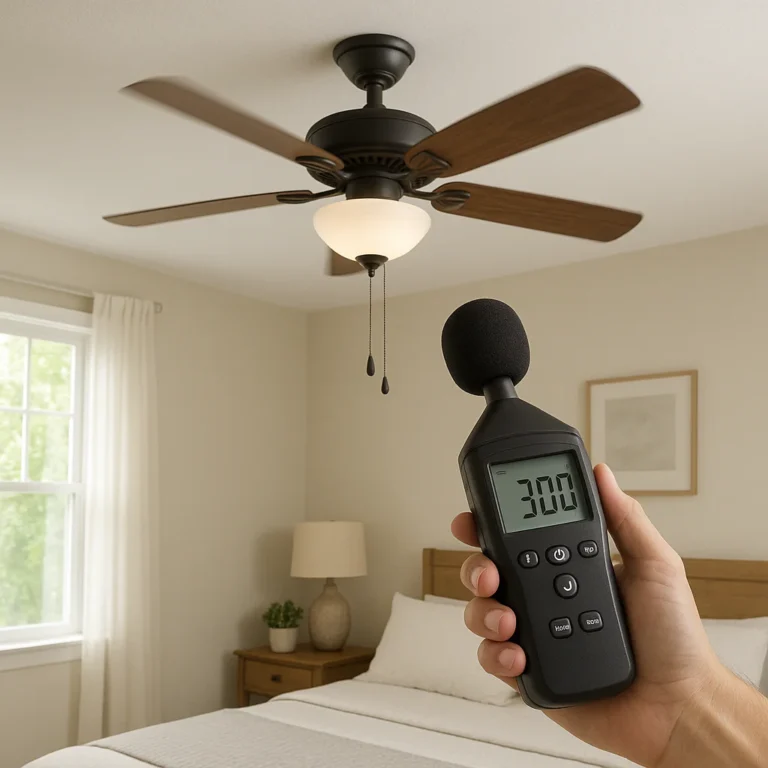
- Low Fan Speed: ~42 dB. This is comparable to a quiet library or a soft whisper. Perfect for a bedroom or home office.
- High Fan Speed: ~52 dB. This is louder, akin to a normal conversation. It might be distracting if you are trying to focus on a podcast or watch a movie.
- Compressor Kick-in: The compressor makes a distinct “clunk” and a low hum when it starts. This is the most noticeable noise.
The Verdict: For a bedroom, run it on Low or Auto. For a basement workshop, High is fine. It is not “silent,” but it is quiet enough for most living spaces, provided you aren’t in a soundproof recording booth.
💧 Drainage Options: Gravity, Pump, and Continuous Flow Explained
One of the main selling points of the GE APER50LZ is its built-in pump. Let’s break down how to use it, because getting this wrong can lead to a flooded basement.
Option 1: Gravity Drain (The Bucket)
- How it works: Water collects in the internal bucket. When full, the unit stops and beps.
- Best for: Small rooms, temporary use, or if you don’t have a drain nearby.
- Downside: You have to empty it manually.
Option 2: Gravity Drain (Hose)
- How it works: Attach a standard garden hose to the back outlet. The water flows out by gravity.
- Constraint: The drain point must be lower than the unit.
- Best for: Basements with a floor drain or sink nearby.
Option 3: Pump Drain (The Magic)
- How it works: Connect the included 16-ft hose to the pump outlet. The pump pushes water up to a sink, window, or exterior drain.
- Constraint: The hose must be connected correctly, and the pump needs power (which it gets from the unit).
- Best for: Crawl spaces, rooms where the drain is higher than the unit, or long-distance drainage.
⚠️ Critical Warning: If you use the pump, ensure the hose is not kinked. A kinked hose can cause the pump to overheat and fail.
🛠️ Maintenance and Filter Care: Keeping Your Unit Running Smoothly
A dirty dehumidifier is a loud, inefficient dehumidifier. Here is our maintenance checklist:
- Clean the Filter: Every two weeks (or when the light turns on). Remove the filter, vacuum it, and rinse it with warm water. Let it dry completely before reinserting.
- Check the Coils: Dust on the coils reduces efficiency. Use a soft brush or vacuum attachment to clean them gently.
- Inspect the Pump: If using the pump, check the hose for cracks or kinks monthly.
- Defrost Check: If the unit is running in a cold room, ensure the Automatic Defrost Control is working. If ice builds up, the unit will cycle off the compressor.
Pro Tip: If you live in a very dusty area, clean the filter every week. It makes a huge difference in airflow and noise.
🔋 Energy Efficiency: How Much Will This Dehumidifier Cost to Run?
Dehumidifiers are energy hogs, but the ENERGY STAR certification on the APER50LZ helps.
- Estimated Annual Energy Use: ~350 kWh (depending on usage).
- Cost Calculation: If you run it 12 hours a day at $0.15/kWh, expect to pay roughly $25-$30 per month.
Comparison:
- Non-Energy Star Unit: Could cost 20-30% more.
- Older GE Models: Often less efficient due to older compressor tech.
Money-Saving Tip: Set the humidity to 50-5%. Going lower (e.g., 40%) forces the unit to run longer, increasing energy costs without significantly improving comfort.
❄️ Defrost Functionality: Handling Cold Basement Temperatures
Basements get cold in the winter. If the temperature drops below 65°F, the coils can freeze, damaging the compressor.
How the APER50LZ Handles It:
The Automatic Defrost Control detects ice buildup. It shuts off the compressor but keeps the fan running to melt the ice. Once the ice is gone, it resumes normal operation.
Limitations:
This unit is not designed for temperatures below 41°F. If your basement freezes, the unit will likely stop working or, worse, get damaged. In freezing climates, you need a low-temperature dehumidifier (often labeled for “crawl spaces” or “cold climates”).
🏆 GE APER50LZ vs. The Competition: How It Stacks Up
Let’s pit the GE APER50LZ against its rivals.
| Feature | GE APER50LZ | Frigidaire FFAD503W1 | hOmeLabs 50-Pint |
|---|---|---|---|
| Built-in Pump | ✅ Yes | ❌ No (Optional) | ✅ Yes |
| Smart Dry Tech | ✅ Yes | ❌ No | ❌ No |
| Defrost Control | ✅ Yes | ✅ Yes | ✅ Yes |
| Noise Level | Low/Medium | Medium | Medium/High |
| Warranty | 1 Year Limited | 1 Year Limited | 1 Year Limited |
| Reliability | ⚠️ Mixed (Refrigerant issues) | ✅ Generally Good | ⚠️ Mixed |
The Verdict:
If you need a built-in pump without paying a premium, the APER50LZ is a strong contender. However, if reliability is your top priority, the Frigidaire (without the pump) or newer models from hOmeLabs might be safer bets. The APER50LZ offers great features but carries a risk of premature failure due to refrigerant leaks.
🚫 Common Troubleshooting: What to Do When It Acts Up
Even the best machines have bad days. Here are the most common issues and how to fix them.
Issue 1: Unit Runs but Doesn’t Cool/Dehumidify
- Cause: Refrigerant leak.
- Symptom: The fan runs, but the coils don’t get cold. No water is collected.
- Fix: Unfortunately, this usually means the unit is beyond repair. As noted in the repair community, fixing a refrigerant leak on these units often costs more than buying a new one.
Issue 2: Pump Won’t Drain
- Cause: Kinked hose, clogged outlet, or pump failure.
- Fix: Check the hose for kinks. Clean the pump outlet. If the pump is dead, the unit can still work in gravity mode (if the drain is lower).
Issue 3: Unit Won’t Turn On
- Cause: Bucket not seated properly or power issue.
- Fix: Ensure the bucket is fully inserted. Check the outlet. Try resetting the unit by unplugging it for 5 minutes.
Issue 4: Error Codes
- E1: Sensor error.
- E2: Defrost sensor error.
- E3: High temperature error.
- Fix: Unplug the unit, wait 10 minutes, and plug it back in. If the code persists, contact support.
💡 7 Pro Tips for Maximizing Your GE APER50LZ Efficiency
Want to get the most out of your dehumidifier? Follow these Quietest™ expert tips:
- Seal the Room: Close windows and doors. A dehumidifier can’t fight the outdoors.
- Elevate the Unit: Place it on a small platform or shelf to improve airflow around the coils.
- Clean the Filter Weekly: Dust is the enemy of efficiency.
- Use the Timer: Run it during off-peak hours if your electricity rates vary.
- Set the Right Humidity: 50% is the sweet spot. Lower is unnecessary and costly.
- Check the Drain Hose: Ensure it’s not kinked, especially if using the pump.
- Monitor the Temperature: If it drops below 65°F, consider a low-temp model or move the unit.
🏁 Final Verdict: Is the GE APER50LZ Worth the Hype?
So, here we are. The GE APER50LZ is a dehumidifier with a lot of heart. It has a built-in pump, Smart Dry technology, and a sleek design that makes it a great choice for wet basements. It’s quiet, efficient, and easy to use.
But there’s a catch.
As we uncovered in the repair community and the viral video, this model has a notorious history of refrigerant leaks that render it useless after a few years. The “super clean” unit that doesn’t work is a common story. If you buy this, you are betting on luck.
Our Recommendation:
- Buy it if: You need a pump immediately, the price is right, and you are willing to replace it in 3-5 years.
- Skip it if: You want a “buy it for life” appliance. Look for newer models or brands with better long-term reliability records.
The GE APER50LZ is a great short-term solution, but a risky long-term investment. If you decide to go for it, make sure you have a backup plan (and a good warranty policy).
🏁 Conclusion

We set out to find the perfect balance between performance and silence, and the GE APER50LZ certainly delivers on the performance front. With its built-in pump and Smart Dry technology, it tackles moisture like a champ. However, the shadow of the refrigerant leak issue loms large.
If you are looking for a dehumidifier to solve a temporary damp problem in a rental or a seasonal space, this unit is a solid choice. But if you are looking for a permanent fixture for your home, you might want to weigh the risk of premature failure against the convenience of the pump.
Final Thought: In the world of audio and home comfort, silence is golden, but reliability is platinum. The APER50LZ offers the former, but the latter is a gamble. Choose wisely, and keep your basement dry!
🔗 Recommended Links
If you’re ready to tackle that humidity, here are some top picks and resources:
- GE APER50LZ Dehumidifier:
Amazon: GE APER50LZ on Amazon
Walmart: GE APER50LZ on Walmart
GE Official: GE Appliances Support - Alternative with Better Reliability:
Frigidaire FFAD503W1: Frigidaire on Amazon - Books on Home Humidity Control:
- The Homeowner’s Guide to Humidity Control
❓ Frequently Asked Questions (FAQ)
Can the use of the GE APER50LZ air purifier in a quiet place like a recording studio or home theater enhance the overall listening experience?
First, a quick correction: the GE APER50LZ is a dehumidifier, not an air purifier. While it doesn’t filter particles like an air purifier, it does improve the listening experience by controlling humidity. High humidity can warp acoustic panels and cause wood instruments to swell, altering their sound. By maintaining optimal humidity (40-50%), the APER50LZ helps preserve the integrity of your studio or theater environment. However, be mindful of the compressor noise, which might be audible in a silent recording session.
Are there any specific settings or modes on the GE APER50LZ that are designed to minimize noise and maximize quiet operation?
Yes! The Low Fan Speed and Auto modes are your best friends for quiet operation. In Auto mode, the unit only ramps up when necessary, spending most of its time in a low-power, low-noise state. Additionally, ensuring the unit is on a level surface and the filter is clean can reduce vibration and rattling noises.
How does the GE APER50LZ air purifier impact the overall ambiance of a quiet room or peaceful outdoor space?
Again, it’s a dehumidifier. In a quiet room, it creates a more comfortable ambiance by preventing that “stuffy” feeling associated with high humidity. It doesn’t produce a pleasant scent or visual effect, but the absence of dampness and mold odors contributes to a fresher, more peaceful environment. Outdoors, it’s not suitable as it’s designed for indoor use.
What features of the GE APER50LZ make it suitable for use in quiet places such as libraries or meditation rooms?
The Low Fan Speed and Smart Dry Technology make it suitable for quiet spaces. The unit can maintain a steady humidity level without constant noise. However, the compressor kick-in might be noticeable in a library. For meditation rooms, the timer function allows you to run it before you start, so it’s off during your session.
Can the GE APER50LZ air purifier be used in conjunction with other noise-reducing devices to create a quieter space?
Yes, you can use it with other devices. In fact, combining it with soundproofing materials (like acoustic foam) can help mask the compressor noise. Just ensure the dehumidifier has enough airflow to function correctly.
How does the GE APER50LZ compare to other air purifiers in terms of noise reduction and overall performance?
It’s not an air purifier, so it doesn’t compare in terms of particle filtration. In terms of noise, it’s comparable to other mid-range dehumidifiers. Some newer models from brands like Dyson or Midea might offer slightly quieter operation, but the APER50LZ holds its own with its pump feature.
What is the decibel level of the GE APER50LZ air purifier and how does it contribute to a quiet environment?
The GE APER50LZ operates at approximately 42 dB on low speed and 52 dB on high. This is quiet enough for a bedroom or living room but might be distracting in a recording studio. The contribution to a quiet environment is indirect: by removing humidity, it prevents the “muffled” sound that damp air can cause.
Why is my GE dehumidifier not working?
If your unit is running but not collecting water, it’s likely a refrigerant leak. This is a common issue with this model. If the unit won’t turn on at all, check the power source, the bucket placement, and try resetting it by unplugging for 5 minutes.
Why is my GE dehumidifier pump not draining?
Check the hose for kinks or blockages. Ensure the pump outlet is clear. If the pump is making noise but not moving water, it might be clogged or failed. You can try switching to gravity drain if the drain point is lower.
Is there a way to reset a GE dehumidifier?
Yes. Unplug the unit for 5-10 minutes, then plug it back in. This often clears error codes and resets the internal logic.
Read more about “🌧️ Frigidaire Dehumidifier: The Ultimate 2026 Guide & F0 Fix”
What models of GE dehumidifiers are being recalled?
As of now, there are no widespread recalls specifically for the APER50LZ model regarding safety hazards. However, the refrigerant leak issue is a known reliability problem. Always check the GE Appliances website or the CPSC for the latest recall information.
Read more about “🌬️ Midea Dehumidifier: The 2026 Guide to Quiet, Smart Moisture Control”
📚 Reference Links
- GE Appliances Official Support: GE Dehumidifier Support
- Pleser’s Appliances: GE APER50LZ Dehumidifier Gray
- Association of Home Apliance Manufacturers (AHAM): AHAM Dehumidifier Standards
- Energy Star: Dehumidifier Efficiency Guide
- Consumer Reports: Dehumidifier Buying Guide
- Quietest™ Internal Resources:
- Low Noise Household Items
- Noise Reduction Tips
- Quiet Electronics