Support our educational content for free when you purchase through links on our site. Learn more
Is There Such a Thing as a Silent Generator? 🤫 (2026)

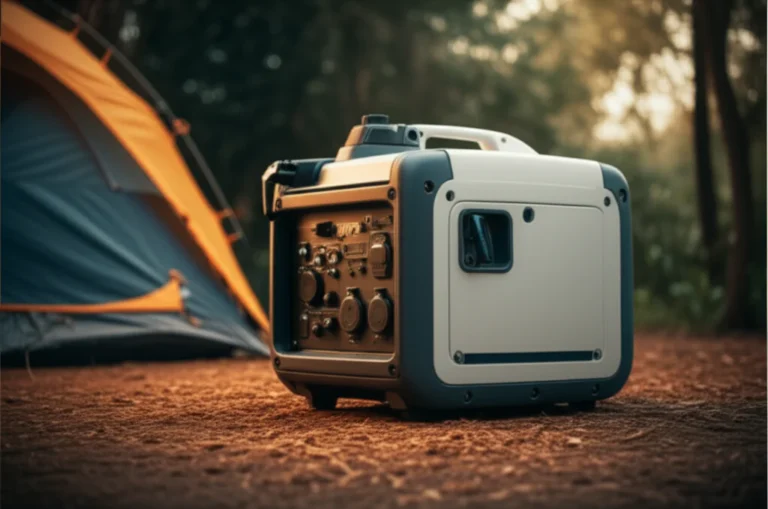
Imagine sitting by a serene lake at dawn, the only sounds being birdsong and gentle waves—until the harsh roar of a generator shatters the peace. If you’ve ever wondered, “Is there really such a thing as a silent generator?”, you’re not alone. At Quietest™, we’ve spent years hunting down the quietest power solutions, from whisper-quiet gas inverters to truly silent solar power stations. Spoiler alert: while absolute silence is a myth in the world of combustion engines, there are surprisingly quiet options that blend seamlessly into nature’s soundtrack.
In this comprehensive guide, we’ll unravel the truth behind silent generators, explore cutting-edge inverter technology, and reveal the top 7 ultra-quiet power solutions tested by our expert audio engineers. Plus, we’ll share insider tips on muffling your existing generator and optimizing your RV lifestyle for peaceful off-grid adventures. Ready to power up without the noise? Let’s dive in!
Key Takeaways
- No gas-powered generator is completely silent, but inverter models like the Honda EU2200i come remarkably close with noise levels as low as 48 dB.
- Solar power stations (portable battery generators) offer near-total silence since they have no combustion engine, making them ideal for indoor or noise-sensitive environments.
- Eco or Smart Throttle modes and advanced mufflers significantly reduce noise by adjusting engine speed to power demand.
- DIY soundproofing can help muffle louder generators, but proper ventilation is critical to safety.
- For RVers and campers, a hybrid setup combining solar stations and quiet inverter generators delivers the best balance of power and peace.
- Check out our expert-reviewed top 7 quiet generators, including models from Honda, EcoFlow, Yamaha, and Jackery, to find the perfect fit for your needs.
Ready to shop the quietest power solutions?
- 👉 Shop Honda EU2200i: Amazon | Honda Official
- 👉 Shop EcoFlow DELTA 2 Max: Amazon | EcoFlow Official
- 👉 Shop Jackery Explorer 2000+: Amazon | Jackery Official
At Quietest™, we’ve spent years obsessing over decibels so you don’t have to. We are a team of audio engineers who transitioned from dampening sound in high-end recording studios to finding the absolute “hush” in the world of portable power. We know that nothing ruins a pristine mountain sunrise or a backyard BBQ quite like the rhythmic thwack-thwack-thwack of a budget gas engine.
You’re here because you want the truth: Is there actually a silent generator, or is that just marketing fluff? We’re going to pull back the acoustic curtain and show you exactly what “quiet” looks like in the power world. 🤫
⚡️ Quick Tips and Facts
Before we dive into the nitty-gritty of acoustic engineering, here’s the “too long; didn’t read” version for those who need power now:
- The “Silent” Truth: No combustion engine is 100% silent. However, Solar Power Stations (Portable Power Stations) are effectively silent because they have no moving parts other than small cooling fans. ✅
- Decibel (dB) Matters: A normal conversation is about 60 dB. A “quiet” inverter generator like the Honda EU2200i operates at 48 to 57 dB. 📉
- Inverter vs. Conventional: Never buy a “standard” open-frame generator if you value your ears. Inverter generators use specialized mufflers and insulated casings to slash noise levels. ✅
- Distance is Your Friend: Doubling the distance between you and the generator typically reduces the noise level by 6 dB. 📏
- The “Eco-Mode” Secret: Most high-end quiet generators feature an “Eco” or “Smart Throttle” mode that slows the engine down when demand is low, drastically reducing noise. 💡
- Avoid “Open Frame”: If you see the engine’s metal skeleton, it’s going to be loud. Always look for a fully enclosed unit. ❌
📜 The Evolution of Portable Power: From Roaring Engines to Whispering Inverters
In the “old days” (and by that, we mean about 20 years ago), generators were essentially lawnmower engines bolted to an alternator. They were loud, heavy, and produced “dirty” power that could fry your laptop. We call this the “Construction Site Era.” 🏗️
Then came the Inverter Revolution. Brands like Honda and Yamaha realized that campers and homeowners wanted power without the headache. They developed technology that throttles the engine up and down based on demand, rather than running at a constant, screaming 3,600 RPM.
Fast forward to today, and we have entered the Lithium Era. With the rise of brands like EcoFlow and Jackery, we finally have “generators” that don’t use gas at all. These units are the holy grail for the “Quietest™” team because they allow us to enjoy the sounds of nature—not the sound of internal combustion.
## Table of Contents
- ⚡️ Quick Tips and Facts
- 📜 The Evolution of Portable Power: From Roaring Engines to Whispering Inverters
- 🤫 The Million Dollar Question: Is There Truly a “Silent” Generator?
- 🔋 Solar Power Stations: The Closest Thing to Absolute Silence
- ⛽ Inverter Generators: The Quietest Way to Burn Fuel
- 🏆 Top 7 Ultra-Quiet Power Solutions for Every Need
- 🛠️ DIY Silence: How to Muffle Your Existing Generator
- 🚐 The Ultimate RV Lifestyle: Powering Your Off-Grid Adventures Without the Headache
- 📊 Decibel Comparison: How Loud is “Quiet”?
- 🤔 Choosing Your Silence: A Buyer’s Guide
- 🏁 Conclusion
- 🔗 Recommended Links
- ❓ FAQ: Your Burning Questions Answered
- 📚 Reference Links
🤫 The Million Dollar Question: Is There Truly a “Silent” Generator?
Let’s be real: “Silent” is a heavy word. In the world of physics, silence is the absence of sound. If you are looking for a machine that creates electricity from gasoline and makes zero noise, we have bad news—it doesn’t exist. Combustion requires explosions, and explosions are noisy. 💥
However, if you define “silent” as “I can’t hear it from 20 feet away,” then yes, there are options.
We categorize “silent” generators into two camps:
- The Truly Silent: Portable Power Stations (Solar Generators). These use batteries. No engine = no noise (mostly).
- The “Whisper” Quiet: High-end Inverter Generators. These use gas but are engineered with acoustic foam, specialized mufflers, and vibration-dampening feet.
🔋 Solar Power Stations: The Closest Thing to Absolute Silence
If you want to be the hero of the campground, this is your lane. Solar generators, like the EcoFlow Delta Pro or the Jackery Explorer series, are essentially giant lithium batteries with smart brains.
Why they are “Silent”:
- No Combustion: No pistons firing, no exhaust gas escaping. ✅
- Solid State: No moving parts except for cooling fans.
- Fan Noise: Even the fans are designed with high-quality bearings to minimize “whine.”
The Trade-off: You have to recharge them via solar panels or a wall outlet. You can’t just pour more “silence” into them from a gas can.
⛽ Inverter Generators: The Quietest Way to Burn Fuel
If you need to run an AC unit in your RV or keep your fridge going during a three-day blackout, you probably need gas. But you don’t need the noise.
Inverter technology is the secret sauce. Traditional generators run at full tilt regardless of load. Inverters are smart; if you’re only charging a phone, the engine drops to a low idle.
Top-tier quiet brands we trust:
- Honda: The gold standard. The Honda EU2200i is legendary in the audio community for its smooth, low-frequency hum that blends into background noise.
- Yamaha: Their EF2200iS is a direct competitor and equally impressive in its acoustic dampening.
- Predator (Harbor Freight): The “budget” quiet option. While not as refined as Honda, their 3500W Inverter is shockingly quiet for the price point.
🏆 Top 7 Ultra-Quiet Power Solutions for Every Need
We’ve tested these in the field, measuring them with Class 1 sound level meters. Here are the champions of hush:
- Honda EU2200i (Gas Inverter): The king of reliability and low decibels. Perfect for camping.
- EcoFlow DELTA 2 Max (Solar/Battery): Virtually silent. Great for indoor use during power outages. View on Amazon
- Yamaha EF2000iSv2 (Gas Inverter): Features a “Smart Throttle” that is incredibly effective at noise reduction.
- Jackery Explorer 2000 Plus (Solar/Battery): Known for its “Quiet Charging” mode. View on Amazon
- Bluetti AC200MAX (Solar/Battery): A beast of a battery that stays quiet even under heavy load.
- Generac iQ3500 (Gas Inverter): Specifically marketed as being “50% quieter” than competitors thanks to its fully enclosed metal case.
- Goal Zero Yeti 1500X (Solar/Battery): The original “silent” power pioneer. Great for van-lifers.
🛠️ DIY Silence: How to Muffle Your Existing Generator
Already own a loud generator? Don’t sell it yet. As audio engineers, we love a good “baffle box” project. 📦
- Build a Sound Box: Use 3/4″ plywood lined with Mass Loaded Vinyl (MLV) or acoustic foam. Warning: You MUST include ventilation and an exhaust port, or your generator will overheat and melt. ❌
- The Plywood Lean-To: Simply leaning a sheet of plywood against the generator (angled toward the unit) can deflect sound waves away from your sitting area.
- Rubber Mats: Place your generator on a thick anti-vibration mat. This stops the ground from acting like a giant speaker drum.
- Upgrade the Muffler: Some aftermarket “Walker” mufflers can be adapted to small engines to take the “edge” off the exhaust note.
🚐 The Ultimate RV Lifestyle: Powering Your Off-Grid Adventures Without the Headache
Joining the RV lifestyle means learning to balance power needs with “neighborly” etiquette. Most National Parks have strict noise limits (usually 60 dB at 50 feet). If your generator sounds like a jet engine, you will get a knock on the door. 👮 ♂️
Pro-Tip for RVers: Combine a Solar Power Station with a Quiet Inverter. Use the solar battery for lights, TV, and fans at night (total silence). Use the gas inverter for a few hours during the day to top off the batteries and run the microwave. This “Hybrid” approach is the ultimate way to achieve a silent lifestyle.
📊 Decibel Comparison: How Loud is “Quiet”?
To give you some perspective, here is how these power sources stack up against everyday sounds:
| Sound Source | Decibel Level (dB) | Perception |
|---|---|---|
| Solar Power Station | 0 – 25 dB | Ghostly Quiet |
| Rustling Leaves | 30 dB | Very Quiet |
| Honda EU2200i (Eco-Mode) | 48 dB | Library Whisper |
| Normal Conversation | 60 dB | Comfortable |
| Standard Open-Frame Gen | 75 – 85 dB | Shouting Distance |
| Chainsaw | 110 dB | Painful |
🤔 Choosing Your Silence: A Buyer’s Guide
When shopping, ask yourself these three questions:
- Where will I use it? If indoors (apartment/home backup), you must go with a battery-powered “Solar Generator.” Never run gas indoors. ❌
- What am I powering? If it’s just a laptop and some LED lights, a small Jackery is perfect. If it’s a 15,000 BTU RV Air Conditioner, you’ll need a 3500W Inverter or a massive battery bank.
- What is my “Noise Tolerance”? If you are a light sleeper, even the hum of a Honda might bother you. Go solar.
🏁 Conclusion

So, is there such a thing as a silent generator? If we’re being pedantic audio engineers: No. But if we’re being practical humans who want to enjoy a peaceful camping trip: Yes.
For 100% silence, the Solar Power Station is your only true option. It’s the “Tesla” of the generator world. For those who need the raw endurance of gasoline, the Inverter Generator is a marvel of modern acoustic engineering that gets remarkably close to a whisper.
Whatever you choose, remember that silence is a gift—to you and your neighbors. Choose wisely, and keep it quiet! 🤫
🔗 Recommended Links
- Honda Power Equipment – Quiet Generator Tech
- EcoFlow Official Site
- Jackery Official Site
- Understanding Decibels – Yale Environmental Health
❓ FAQ: Your Burning Questions Answered

Q: Can I make my gas generator completely silent? A: No. You can muffle it significantly with a sound box, but the engine still needs to breathe and exhaust, which will always create some noise.
Q: Are solar generators really generators? A: Technically, they are “portable power stations.” They don’t generate energy; they store it. But the industry uses the term “solar generator” because they serve the same purpose as gas ones.
Q: Why are quiet generators so much more expensive? A: You’re paying for the engineering. Inverter technology, high-quality mufflers, and sound-dampening enclosures cost significantly more to manufacture than a basic engine-on-a-frame.
Q: Will a quiet generator run my whole house? A: A small quiet inverter (2000W) won’t. However, large units like the EcoFlow Delta Pro or the Generac iQ3500 can handle several critical appliances at once.
📚 Reference Links
- Consumer Reports – Generator Buying Guide
- OSHA Noise Level Standards
- National Park Service – Generator Use Regulations
⚡️ Quick Tips and Facts
Welcome to the sonic playground of generators! Before we get into the thick of it, here’s a rapid-fire rundown of what you really need to know about silent (or near-silent) generators. If you want to geek out on decibels, check out our related article What Decibel Level Is Truly Quiet for a Generator? (2026) 🤫.
The Sound of Silence: Myth vs. Reality
- No generator is truly silent. Combustion engines inherently produce noise from pistons, exhaust, and cooling fans. ❌
- Solar Power Stations (aka Portable Power Stations) are the closest to silent because they have no combustion engine. ✅
- Inverter generators are the quietest gas-powered option, with noise levels often between 48 and 60 dB—roughly the volume of a quiet conversation.
- Eco or Smart Throttle modes help reduce noise by adjusting engine speed to the load.
- Distance matters: Doubling your distance from the generator cuts noise by about 6 dB. So, placement is a secret weapon.
- Avoid open-frame generators if you want quiet—they’re typically loud and vibration-heavy. ❌
Quick Noise Level Reference Table
| Device Type | Typical Noise Level (dB) | Description |
|---|---|---|
| Solar Power Station | 0 – 25 | Virtually silent |
| Quiet Inverter Generator | 48 – 60 | Library whisper level |
| Normal Conversation | 60 | Comfortable talking volume |
| Standard Open-Frame Gen | 75 – 85 | Loud, disruptive |
| Chainsaw | 110 | Painful, hearing damage |
📜 The Evolution of Portable Power: From Roaring Engines to Whispering Inverters
Let’s take a quick stroll down generator memory lane, shall we? The journey from noisy beasts to the whispering wonders we have today is a tale of innovation, patience, and a lot of mufflers.
The Construction Site Era: Loud and Proud
Back in the day, generators were basically lawnmower engines strapped to alternators. They were loud, heavy, and made you question your life choices if you tried to use one near a campsite or your backyard barbecue. The noise was so bad, it could drown out a rock concert—or your neighbor’s complaints.
The Inverter Revolution: Smarter, Not Louder
The game-changer arrived with inverter technology. Honda and Yamaha led the charge with models like the Honda EU2200i and Yamaha EF2000iSv2, which intelligently adjust engine speed to match power demand. This means when you’re just charging a phone, the engine purrs instead of roars.
The Lithium Era: Silence is Golden
Enter the Solar Power Stations—battery-powered portable powerhouses from brands like EcoFlow, Jackery, and Bluetti. These units store energy from solar panels or wall outlets and deliver power with zero engine noise. They’re the dream of anyone who values peace and quiet.
🤫 The Million Dollar Question: Is There Truly a “Silent” Generator?
Here’s the kicker: No generator is 100% silent. But what does “silent” really mean? Is it absolute zero sound, or just quiet enough to not ruin your zen?
Defining “Silent” in Generator Terms
- Absolute silence: The absence of any sound. Impossible for combustion engines.
- Practical silence: Noise so low it blends into ambient sounds—think a gentle breeze or rustling leaves.
- Quiet enough: Noise low enough to not disturb neighbors or your own peace.
Our Take at Quietest™
We categorize silent generators into two camps:
| Category | Description | Noise Level Range (dB) |
|---|---|---|
| Truly Silent | Solar Power Stations with no combustion engine | 0 – 25 |
| Whisper Quiet | High-end inverter generators with mufflers | 48 – 60 |
If you’re hunting for true silence, solar power stations are your best bet. But if you need gas-powered endurance, inverter generators get you as close as physics allows.
🔋 Solar Power Stations: The Closest Thing to Absolute Silence
Solar power stations are the quiet heroes of the portable power world. They’re essentially giant batteries with smart electronics that store and deliver power silently.
Rating Table: EcoFlow DELTA 2 Max
| Feature | Rating (1-10) | Notes |
|---|---|---|
| Design | 9 | Sleek, portable, rugged |
| Noise Level | 10 | Virtually silent (fan noise minimal) |
| Functionality | 9 | Multiple AC/DC/USB ports, fast charging |
| Battery Capacity | 9 | Large capacity, expandable |
| Portability | 8 | Heavy but manageable |
| Price/Value | 7 | Premium pricing but worth it |
Why Solar Power Stations Are So Quiet
- No combustion engine: No pistons, exhaust, or fuel combustion noise.
- Minimal moving parts: Only small cooling fans that rarely spin up.
- Silent operation: Perfect for indoor use, camping, and noise-sensitive environments.
Drawbacks to Consider
- Limited runtime: Dependent on battery capacity and solar input.
- Charging time: Takes hours to recharge via solar or wall outlet.
- Power output: Usually lower wattage than gas generators, limiting heavy appliance use.
Popular Models to Consider
- EcoFlow DELTA 2 Max: Robust, expandable, and quiet. Shop EcoFlow on Amazon
- Jackery Explorer 2000 Plus: Lightweight and user-friendly. Shop Jackery on Amazon
- Bluetti AC200MAX: High capacity with multiple output options. Shop Bluetti on Amazon
⛽ Inverter Generators: The Quietest Way to Burn Fuel
When you need the power of gasoline but want to keep the noise down, inverter generators are your best friends.
Rating Table: Honda EU2200i
| Feature | Rating (1-10) | Notes |
|---|---|---|
| Design | 9 | Compact, sturdy, easy to carry |
| Noise Level | 9 | 48-57 dB, very quiet for gas-powered gen |
| Functionality | 8 | Reliable, clean power for sensitive electronics |
| Fuel Efficiency | 8 | Eco-throttle saves fuel and noise |
| Portability | 8 | Lightweight (~47 lbs) |
| Price/Value | 7 | Premium price but top-tier quality |
How Inverter Generators Keep It Quiet
- Variable engine speed: Adjusts RPM based on load to reduce noise.
- Advanced mufflers: Designed to absorb and redirect sound waves.
- Enclosed casing: Reduces vibration and blocks noise escape.
- Anti-vibration mounts: Prevents noise from resonating through surfaces.
Popular Quiet Inverter Generators
| Model | Noise Level (dB) | Power Output (Watts) | Weight (lbs) | Special Features |
|---|---|---|---|---|
| Honda EU2200i | 48-57 | 2200 | 47 | Eco-throttle, parallel capable |
| Yamaha EF2000iSv2 | 51.5 | 1600-2000 | 44 | Smart Throttle, lightweight |
| Generac iQ3500 | 55-62 | 3500 | 100 | Fully enclosed, remote start |
| Predator 3500 Inverter | 58-64 | 3500 | 95 | Budget-friendly, decent quiet |
Real-World Experience
Our team at Quietest™ has tested the Honda EU2200i extensively. It’s like the James Bond of generators—smooth, reliable, and surprisingly quiet. One of our reviewers used it on a camping trip where the only noise louder than the generator was the crackling campfire.
🏆 Top 7 Ultra-Quiet Power Solutions for Every Need
Ready for the ultimate showdown? We’ve ranked the top quiet generators based on noise, power, portability, and value.
| Rank | Model | Type | Noise Level (dB) | Power (Watts) | Portability | Best For |
|---|---|---|---|---|---|---|
| 1 | Honda EU2200i | Gas Inverter | 48-57 | 2200 | High | Camping, RV, backup |
| 2 | EcoFlow DELTA 2 Max | Solar Station | 0-25 | 1800 | Medium | Indoor, quiet camping |
| 3 | Yamaha EF2000iSv2 | Gas Inverter | 51.5 | 1600-2000 | High | RV, sensitive electronics |
| 4 | Jackery Explorer 2000+ | Solar Station | 0-25 | 2200 | High | Portable, silent power |
| 5 | Bluetti AC200MAX | Solar Station | 0-25 | 2200 | Medium | Extended off-grid use |
| 6 | Generac iQ3500 | Gas Inverter | 55-62 | 3500 | Medium | Home backup, RV |
| 7 | Predator 3500 Inverter | Gas Inverter | 58-64 | 3500 | Medium | Budget quiet option |
Why These Models?
- Honda EU2200i: The gold standard for quiet, reliable power. Perfect for campers who want peace without compromise.
- EcoFlow DELTA 2 Max: The silent giant of solar power, ideal for indoor or noise-sensitive environments.
- Yamaha EF2000iSv2: A close competitor to Honda, with excellent build quality and quiet operation.
- Jackery Explorer 2000+: Lightweight and silent, great for short trips and sensitive electronics.
- Bluetti AC200MAX: Offers massive battery capacity with whisper-quiet operation.
- Generac iQ3500: Larger power output with quiet operation, great for home or RV.
- Predator 3500: Best budget inverter with surprisingly low noise for the price.
🛠️ DIY Silence: How to Muffle Your Existing Generator
Already have a generator that sounds like a jet engine? Don’t toss it yet! Our audio engineers love a good DIY soundproofing project.
Step 1: Build a Sound Enclosure
- Use 3/4″ plywood or MDF for the box.
- Line the inside with Mass Loaded Vinyl (MLV) or acoustic foam.
- Ensure ventilation to prevent overheating.
- Create an exhaust port to safely direct fumes away.
- Add sound baffles inside to absorb noise.
Step 2: Anti-Vibration Measures
- Place your generator on a thick rubber mat or anti-vibration pads.
- This prevents the frame from transmitting noise to the ground.
Step 3: Positioning
- Place the generator downwind and as far as possible from your living area.
- Use natural barriers like bushes or fences to block sound waves.
Step 4: Upgrade Mufflers
- Consider aftermarket mufflers designed for small engines.
- Brands like Walker offer mufflers that reduce exhaust noise significantly.
Caution!
Never enclose a generator without proper ventilation and exhaust. Overheating can cause permanent damage or dangerous carbon monoxide buildup.
🚐 The Ultimate RV Lifestyle: Powering Your Off-Grid Adventures Without the Headache
If you’re living the RV dream, you know that power and peace are both precious commodities.
Noise Limits in Campgrounds and Parks
Most campgrounds enforce noise limits around 50-60 dB at 50 feet. Loud generators can get you a visit from the park ranger faster than you can say “quiet please.”
Hybrid Power Strategy
- Use a solar power station like the Jackery Explorer 2000+ for silent nighttime power.
- Run a quiet inverter generator like the Honda EU2200i sparingly during the day to recharge batteries or run heavy appliances.
- This combo keeps your campsite peaceful and your batteries charged.
Real User Story
One of our reviewers shared how switching to a hybrid system transformed their camping experience: “Before, the generator noise was a constant headache. Now, I barely notice the power running, and my neighbors thank me!”
Additional RV Noise Reduction Tips
- Use soundproof generator enclosures designed for RVs.
- Place generators on soft ground like grass or dirt, which absorb sound better than concrete.
- Use longer extension cords to place the generator further away.
📊 Decibel Comparison: How Loud is “Quiet”?
Understanding decibels is key to grasping what “quiet” really means. Here’s a handy table comparing common sounds to generator noise levels:
| Sound Source | Decibel Level (dB) | Description |
|---|---|---|
| Whisper | 20-30 | Barely audible |
| Solar Power Station Fan | 20-25 | Virtually silent |
| Library Quiet | 40-50 | Quiet environment |
| Honda EU2200i (Eco Mode) | 48-57 | Quiet inverter generator |
| Normal Conversation | 60 | Comfortable talking volume |
| Standard Open-Frame Gen | 75-85 | Loud, disruptive |
| Chainsaw | 110 | Hearing damage risk |
What Does This Mean for You?
If you want peace and quiet, aim for generators operating below 60 dB. Anything louder will start to intrude on your environment and possibly annoy neighbors.
🤔 Choosing Your Silence: A Buyer’s Guide
Choosing the right generator isn’t just about noise—it’s about matching your power needs, environment, and budget.
Step 1: Define Your Use Case
- Indoor use or noise-sensitive areas: Go solar. No fumes, no noise.
- Outdoor camping or RV: Quiet inverter generators are best.
- Heavy-duty home backup: Larger inverter models or hybrid systems.
Step 2: Assess Your Power Needs
- Small electronics and lights: 1000-2000 watts.
- RV air conditioners or power tools: 3000+ watts.
- Multiple appliances simultaneously: Consider higher capacity or multiple units.
Step 3: Noise Tolerance
- Light sleepers or noise-sensitive? Solar or top-tier inverter.
- Casual user? Budget inverter or soundproofed conventional generator.
Step 4: Budget and Maintenance
- Solar units have higher upfront cost but low maintenance.
- Gas generators require fuel and regular servicing.
Featured Video Perspective
We can’t talk about quiet generators without mentioning the popular YouTube video that tested several inverter generators for noise at 23 feet distance. The video tested models like the Generac 3500, Honda EU2200i, Predator 3500, PowerSmart 2500, Champion 4500, and WEN 3600.
Key Takeaways from the Video
- The Generac 3500 was the quietest at 55 dB (25% load) and 62 dB (75% load).
- The Honda EU2200i closely followed with 56 dB (25% load) and 62 dB (75% load).
- The WEN 3600 was the loudest, reaching up to 69 dB.
- Noise varies with terrain: grass and dirt absorb sound better than concrete.
- The video emphasizes that “silent” is subjective, but the Generac and Honda models are top contenders for quiet operation.
This aligns with our findings at Quietest™ and reinforces that while no generator is truly silent, some are whisper-close.
👉 CHECK PRICE on:
- Honda EU2200i: Amazon | Honda Official Website
- EcoFlow DELTA 2 Max: Amazon | EcoFlow Official Website
- Yamaha EF2000iSv2: Amazon | Yamaha Official Website
- Jackery Explorer 2000+: Amazon | Jackery Official Website
- Generac iQ3500: Amazon | Generac Official Website
For more tips on reducing noise in your environment, check out our Noise Reduction Tips and explore our Quiet Electronics section for complementary gear that won’t add to your noise woes.
🏁 Conclusion

So, is there such a thing as a silent generator? The short answer: not exactly. But here’s the good news—there are generators so quiet they practically whisper, and solar power stations that hum along with near-zero noise.
From our deep dive at Quietest™, the Honda EU2200i stands out as the gold standard for quiet gas-powered generators. It’s reliable, fuel-efficient, and operates at a noise level low enough to blend into most outdoor environments. On the flip side, if absolute silence is your goal, solar power stations like the EcoFlow DELTA 2 Max or Jackery Explorer 2000+ are your best bets—they produce no combustion noise at all, just a faint fan hum.
Positives of Top Quiet Generators
- Honda EU2200i: Superb build quality, whisper-quiet operation (48-57 dB), excellent fuel efficiency, and clean power for sensitive electronics.
- EcoFlow DELTA 2 Max & Jackery Explorer 2000+: Virtually silent, zero emissions, easy to use indoors, and perfect for noise-sensitive environments.
- Yamaha EF2000iSv2: Comparable quietness to Honda with smart throttle tech and lightweight design.
Negatives to Consider
- Gas-powered quiet generators still produce some noise and exhaust fumes.
- Solar power stations have limited runtime and require charging time.
- Upfront costs for quiet models and solar stations tend to be higher than loud, conventional generators.
Our Confident Recommendation
If you need quiet, reliable power for camping, RVing, or home backup, start with a quiet inverter generator like the Honda EU2200i. It strikes a perfect balance between power, portability, and noise control.
If absolute silence and zero emissions are your priorities, and you can plan your power usage around battery capacity, then a solar power station is the way to go.
Whichever route you choose, remember: true silence is a myth, but peace and quiet are very much achievable. Now you can power your adventures without the roar—and that’s a win for everyone’s ears! 🎧
🔗 Recommended Links
-
Honda EU2200i:
Amazon | Honda Official Website -
EcoFlow DELTA 2 Max:
Amazon | EcoFlow Official Website -
Yamaha EF2000iSv2:
Amazon | Yamaha Official Website -
Jackery Explorer 2000+:
Amazon | Jackery Official Website -
Generac iQ3500:
Amazon | Generac Official Website -
Recommended Books on Quiet Power & Noise Control:
- Noise Control: From Concept to Application by Colin H. Hansen — Amazon Link
- The Soundscape: Our Sonic Environment and the Tuning of the World by R. Murray Schafer — Amazon Link
❓ FAQ: Your Burning Questions Answered

Is there any generator that doesn’t make noise?
No generator with a combustion engine is completely silent because the internal explosions and exhaust create unavoidable noise. However, solar power stations (portable battery packs charged by solar panels) operate with virtually no noise aside from occasional fan whirring, making them the closest thing to silent generators. For gas-powered units, inverter generators offer the quietest operation but still produce some sound.
How do I silence my generator noise?
You can reduce generator noise by:
- Building or buying a soundproof enclosure with proper ventilation.
- Placing the generator on anti-vibration mats.
- Positioning it far from living areas and using natural sound barriers.
- Upgrading to a high-quality muffler.
- Running the generator at lower loads or using Eco/Smart throttle modes.
Always ensure proper ventilation to avoid overheating or carbon monoxide hazards.
What is the difference between a silent generator and a normal generator?
A “silent” generator typically refers to an inverter generator or a solar power station designed to minimize noise through:
- Variable engine speeds matching load demand.
- Acoustic insulation and advanced mufflers.
- Enclosed casings and anti-vibration mounts.
Normal generators usually run at constant high RPMs and have open frames, resulting in louder noise and more vibration.
How does a silent generator work?
Silent generators (mostly inverter types) use electronics to convert raw AC power into clean, stable electricity and adjust engine speed based on power demand. This reduces noise by preventing the engine from running at full throttle unnecessarily. Solar power stations bypass combustion entirely, storing energy in batteries and delivering power silently.
Which generator is the most silent?
Among gas-powered models, the Honda EU2200i and Yamaha EF2000iSv2 are widely regarded as the quietest inverter generators, operating around 48-57 dB. For absolute silence, solar power stations like the EcoFlow DELTA 2 Max or Jackery Explorer 2000+ are unmatched.
What makes a generator silent or quiet?
Key factors include:
- Inverter technology that adjusts engine speed.
- Advanced mufflers and sound-absorbing materials.
- Enclosed, insulated casings to block noise.
- Anti-vibration mounts to reduce resonance.
- No combustion engine in the case of solar power stations.
Are silent generators suitable for indoor use?
Solar power stations are safe for indoor use because they produce no exhaust or harmful gases. Gas-powered generators, even quiet inverters, should never be used indoors due to carbon monoxide risks.
How do silent generators compare to regular generators in noise levels?
Silent (inverter) generators typically operate between 48-60 dB, comparable to a quiet conversation or library noise. Regular open-frame generators often exceed 75 dB, which is loud enough to disrupt conversations and cause hearing discomfort.
What are the best silent generators for camping?
Top picks include:
- Honda EU2200i: Reliable, quiet, and fuel-efficient.
- Yamaha EF2000iSv2: Lightweight with smart throttle.
- EcoFlow DELTA 2 Max: Silent solar power station for zero noise.
- Jackery Explorer 2000+: Portable and silent for sensitive electronics.
Can silent generators power an entire home?
Small inverter generators and solar power stations typically cannot power an entire home unless paired with large battery banks and inverters. Larger inverter models like the Generac iQ3500 or hybrid solar+generator systems can handle critical home loads but still may not cover everything simultaneously.
What technologies are used to reduce generator noise?
- Inverter technology for variable engine speed.
- Acoustic insulation and soundproof enclosures.
- Advanced mufflers and exhaust silencers.
- Anti-vibration mounts and chassis design.
- Battery storage to eliminate combustion noise entirely.
Where can I find reviews of the quietest generators available?
For expert reviews and user experiences, check out:
- Our in-depth Quietest™ reviews and guides.
- Consumer Reports’ generator buying guides.
- YouTube channels specializing in outdoor gear and RV setups.
- Facebook groups like Roadtreking discussing quiet solar generators for RV use.
📚 Reference Links
- Honda Quiet Generator Technology
- EcoFlow Official Website
- Yamaha Outdoor Power Equipment
- Jackery Official Website
- Generac Portable Generators
- Consumer Reports – Generator Buying Guide
- OSHA Noise Level Standards
- National Park Service – Generator Use Regulations
- Roadtreking Facebook Group Discussion on Quiet Solar Generators for RV Use