Support our educational content for free when you purchase through links on our site. Learn more
Are Sedans or SUVs Quieter? 🚘🔇

Sedans are often quieter than similarly priced SUVs at highway speeds, thanks to their lower, sleker shape—but the badge on the tailgate doesn’t settle the question. Tires, window glass, insulation, and suspension can make a well-enginered SUV quieter than a noisy sedan.
When we compare cabin noise, we listen for more than a loud engine. Tire roar on coarse pavement, wind around the mirrors, and the low thrum that sneaks into a long drive can matter just as much. One vehicle can feel library-calm on smooth asphalt and turn into a rolling drum on rough pavement.
So, are sedans or SUVs quieter? Usually, a sedan has the aerodynamic edge; in practice, the quietest choice is the specific model—and trim—you test on the roads you actually drive.
Key Takeaways
- Sedans often have less highway wind noise because their lower profile creates less aerodynamic drag.
- SUVs aren’t automatically louder: quality sound insulation, acoustic glass, and a quiet suspension can give an SUV a hushed cabin.
- Tires are a major noise variable. Large wheels and aggressive tread can increase road roar in either body style.
- Electric vehicles remove much of the engine noise, not tire or wind noise. Those sounds may become more noticeable in an EV.
- Test the exact trim and tire setup on both smooth and rough roads before choosing; a short, quiet test-drive route can hide a noisy cabin.
Table of Contents
- ⚡️ Quick Tips and Facts: Are Sedans or SUVs Quieter?
- 🚘 Sedan vs. SUV Cabin Noise: The Short Answer
- 🔎 How We Compare Vehicle Quietness
- What decibels can—and can’t—tell you
- Road, wind, tire, and engine noise explained
- 📚 Why Sedans and SUVs Sound Different
- Body shape, aerodynamics, and wind noise
- Cabin size, glass, and sound insulation
- Ground clearance, suspension, and road noise
- 📊 Sedan vs. SUV Noise Comparison by Driving Condition
- City driving and stop-and-go traffic
- Highway cruising and crosswinds
- Rough roads, gravel, and bad weather
- 🛞 The Biggest Sources of Cabin Noise in Any Vehicle
- Tires, tread patterns, and wheel size
- Engine, exhaust, and powertrain noise
- Wind leaks, seals, and loose trim
- 🔋 Are Electric Sedans or Electric SUVs Quieter?
- Why EVs can make tire and wind noise more noticeable
- Hybrid, plug-in hybrid, and gas vehicle noise
- 🏆 Which Vehicle Types Are Usually the Quietest?
- Luxury sedans and full-size sedans
- Compact, midsize, and full-size SUVs
- Crossovers, wagons, and minivans
- 🧪 How to Test Cabin Noise on a Test Drive
- A practical quiet-car test-drive checklist
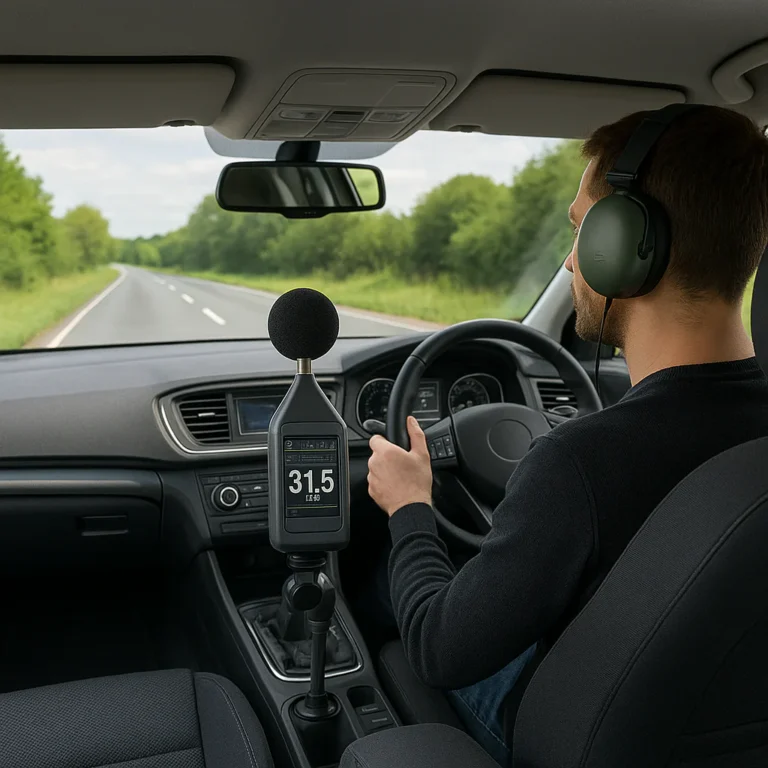
- How to compare cars fairly with a decibel meter
- 🛠️ How to Make Your Sedan or SUV Quieter
- Choose quieter tires and the right wheel size
- Check tire pressure, alignment, and suspension
- Improve door seals and add sound-deadening materials
- 💡 Quiet-Car Buying Tips: What to Look for
- Acoustic glass, insulation, and active noise cancellation
- Trim levels, optional packages, and tire choices
- New vs. used vehicles and long-term cabin noise
- ✅ Which Should You Choose for a Quieter Ride?
- Conclusion
- Recommended Links
- FAQ
- Reference Links